Why Do Cats Knead? 7 Reasons Behind Making Biscuits
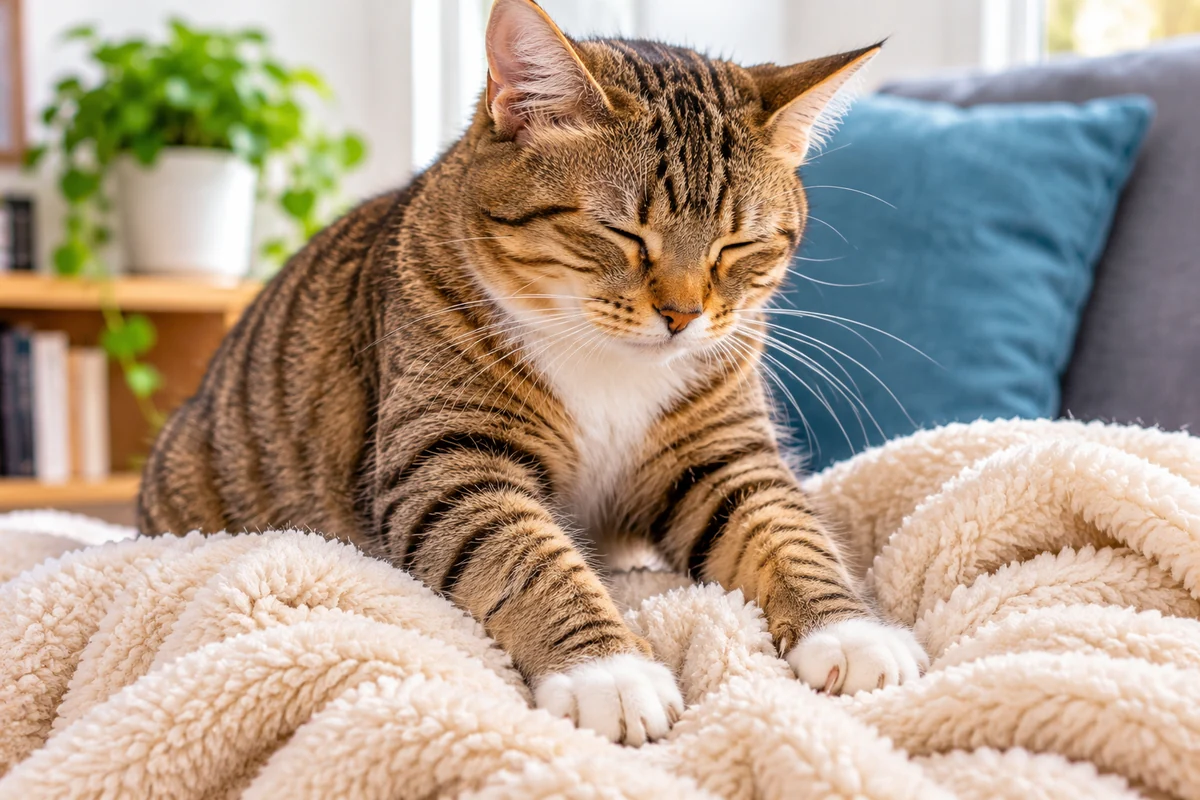
Why do cats knead blankets, pillows, and sometimes your lap? The rhythmic movement of alternating front paws is affectionately called making biscuits. It is a familiar feline behavior with several possible explanations, from early kittenhood to comfort and individual habits.
1. Why Do Cats Knead? A Habit From Kittenhood
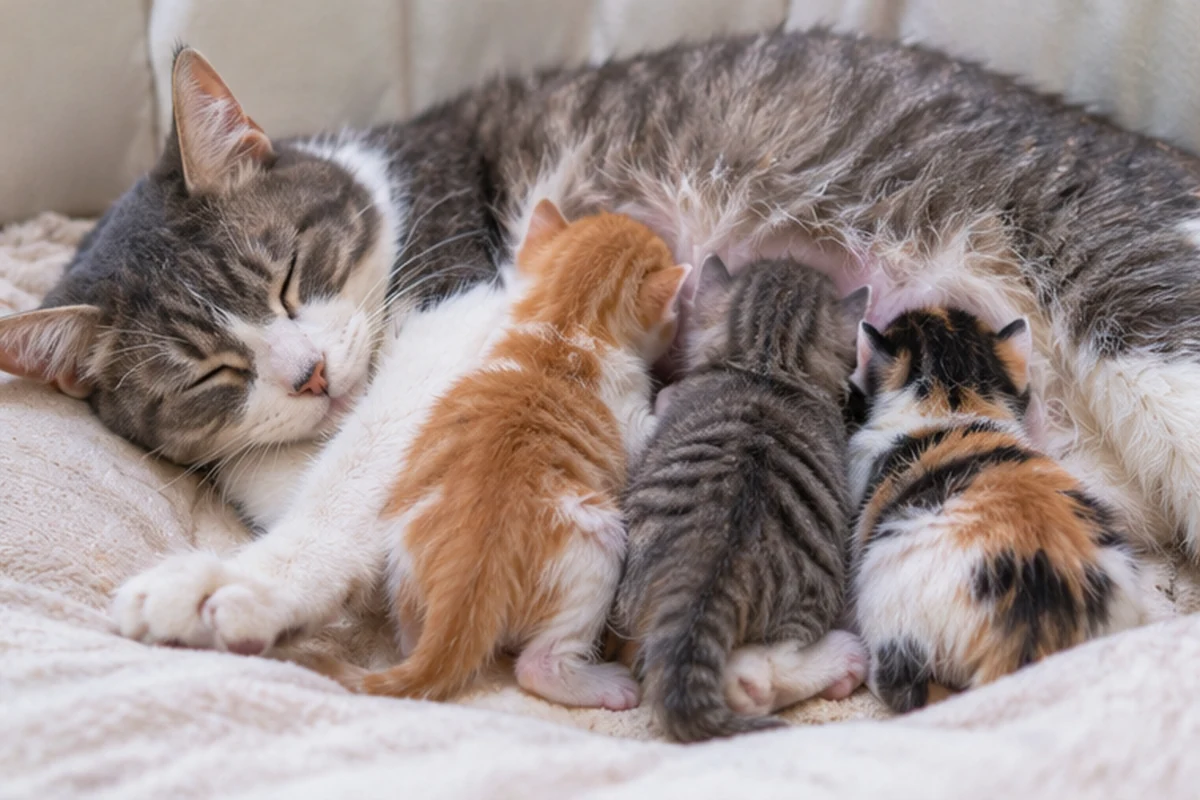
Nursing kittens press their paws against their mother’s mammary area, a movement associated with nursing. Adult kneading resembles this early pattern, and many cats retain it throughout life. The behavior does not prove that an adult cat was weaned too early. Cats raised under different circumstances can all knead. Early experience is one part of the explanation, not a reliable way to reconstruct an individual cat’s history.
Kneading during nursing helps milk flow, as explained by VCA Animal Hospitals. In adults, the same alternating paw movement can occur without feeding. Watch the individual sequence: some cats knead for a few seconds, while others continue until they settle down for a nap.
2. Relaxation and Comfort
Many cats knead while settling onto a soft surface. They may purr, close their eyes, or gradually lie down. These accompanying behaviors can suggest comfort in the right context. Purring and kneading are not absolute guarantees of happiness, however. Consider posture, appetite, activity, and other signals before drawing conclusions about your cat’s emotional state.
3. Preparing a Resting Spot
Why do cats knead blankets before lying down? The movement may help arrange a comfortable surface. A cat may press and shift a blanket several times before choosing a sleeping position. Similar movements have been proposed as a way of preparing resting sites in natural settings, although the evolutionary explanation is not fully established. Offer soft, washable bedding and let your cat choose its favorite location.
4. Scent Communication
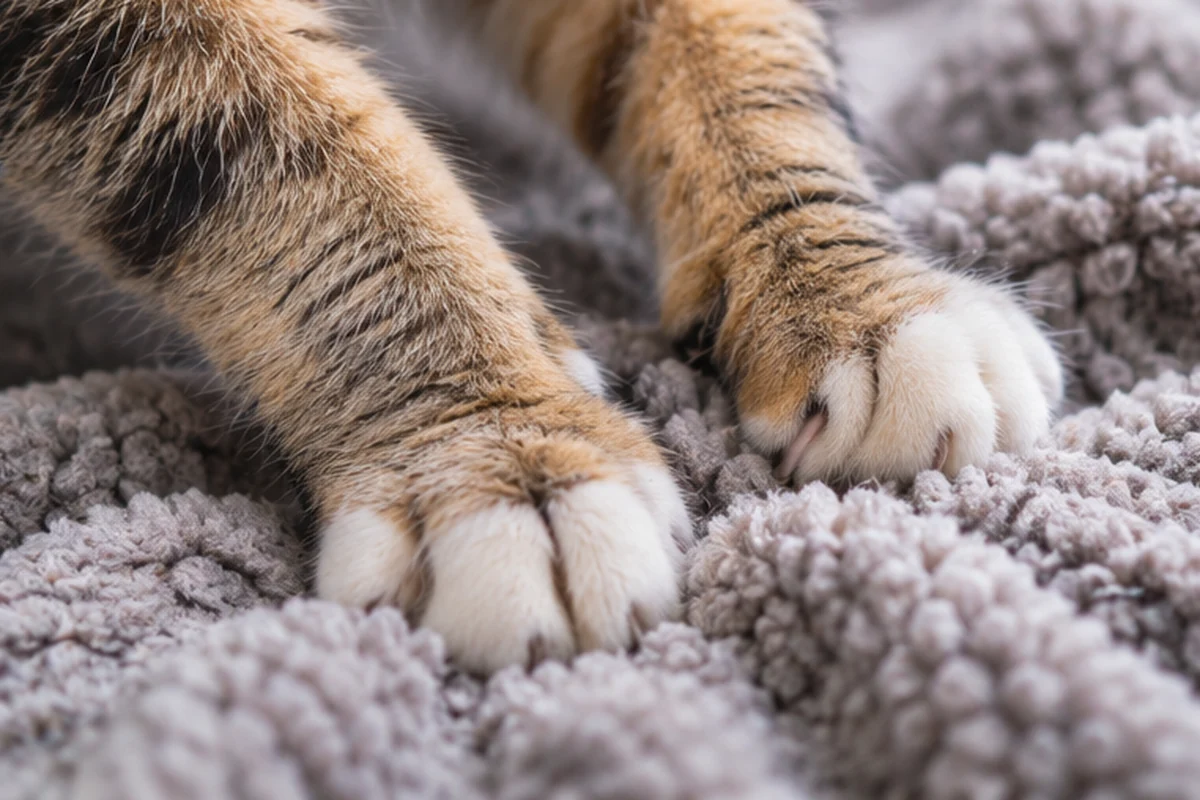
Cats have scent-producing glands associated with their paws. Contact with a surface may contribute to scent deposition, alongside other behaviors such as rubbing and scratching. Kneading a familiar blanket may therefore be part of interacting with a familiar environment. It is not possible to determine from kneading alone whether a cat is deliberately claiming a person or object.
5. Social Comfort Around Familiar People
A cat that kneads your lap may feel comfortable enough to settle close to you. The warmth, texture of your clothing, and predictable interaction can all contribute. Some affectionate cats never knead people, so the behavior is not a test of your bond. Read our guide to why cats sleep on their owner’s chest for more about feline resting preferences.
If your cat chooses your lap, notice what happens when you stop stroking its back. A relaxed cat may continue kneading independently. If it moves away, respect that choice. You can offer a folded blanket beside you so that your cat has another comfortable place to settle.
6. Stretching and Movement
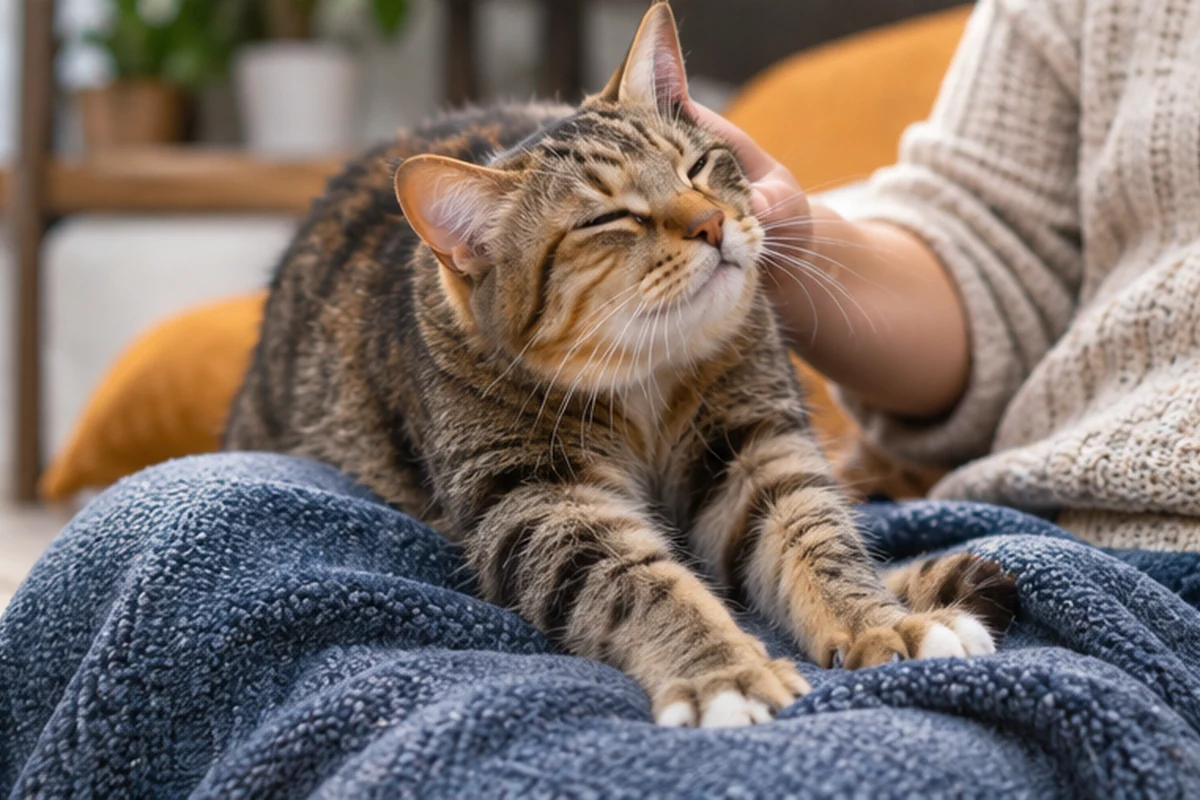
Kneading involves repeated movement of the front paws and sometimes extension of the claws. It can occur alongside stretching after a nap. This is different from a structured exercise routine, and there is no need to encourage a cat to knead for physical health. A cat that appears painful, avoids using one paw, or suddenly changes its movement should receive veterinary attention.
7. Self-Soothing and Familiar Routines
Why do cats knead when their environment changes? Repetitive familiar behaviors may accompany settling or self-soothing, although kneading does not establish that a cat is anxious. Provide predictable routines, quiet hiding places, scratching surfaces, and opportunities for play. If repetitive behavior becomes unusually intense or is accompanied by fabric chewing or ingestion, seek veterinary advice. Swallowed fabric can cause a dangerous intestinal obstruction.
If your cat actually swallows pieces of fabric, remove access to the material and contact your veterinarian. VCA’s guide to pica in cats explains the dangers of ingesting nonfood objects. Suspected ingestion accompanied by vomiting, appetite loss, or abdominal pain requires urgent veterinary attention.
| What you observe | How to respond |
|---|---|
| Relaxed kneading before a nap | Allow the behavior |
| Claws catching your clothes | Offer a thick blanket |
| Sudden increase with hiding or appetite changes | Arrange veterinary assessment |
| Chewing and swallowing fabric | Remove access and contact your veterinarian |
What to Do When Kneading Hurts
Place a thick washable blanket between your lap and your cat’s paws. If necessary, gently encourage the cat to settle beside you instead. Keep claws appropriately trimmed if your cat tolerates it, or ask a veterinary professional to demonstrate safe trimming. Do not punish, shout, or forcibly restrain your cat for kneading. Our new cat owner checklist covers useful supplies and comfortable resting areas.
The veterinarian-reviewed PetMD guide to kneading recommends redirecting uncomfortable kneading to an appropriate surface. Start by placing a familiar blanket in your cat’s preferred resting area. Reward voluntary use and avoid pulling a paw away if a claw catches; gently release the fabric instead. The goal is to protect your skin and furniture while preserving a normal feline behavior.
Frequently Asked Questions
Why do cats knead and purr at the same time?
These behaviors often accompany relaxed settling, but their meaning depends on context.
Why do cats knead with their claws out?
Claw extension can be part of the natural paw movement. Protect your lap with a blanket.
Why do cats knead only certain blankets?
Texture, warmth, familiar scents, and learned preferences may influence the choice.
Final Thoughts
Why do cats knead? The behavior likely reflects a combination of early-life patterns, comfort, and individual preferences. Let your cat enjoy making biscuits in a safe place and pay attention to significant changes in its usual routine.