Why Do Dogs Tilt Their Heads? 6 Reasons Behind That Adorable Look
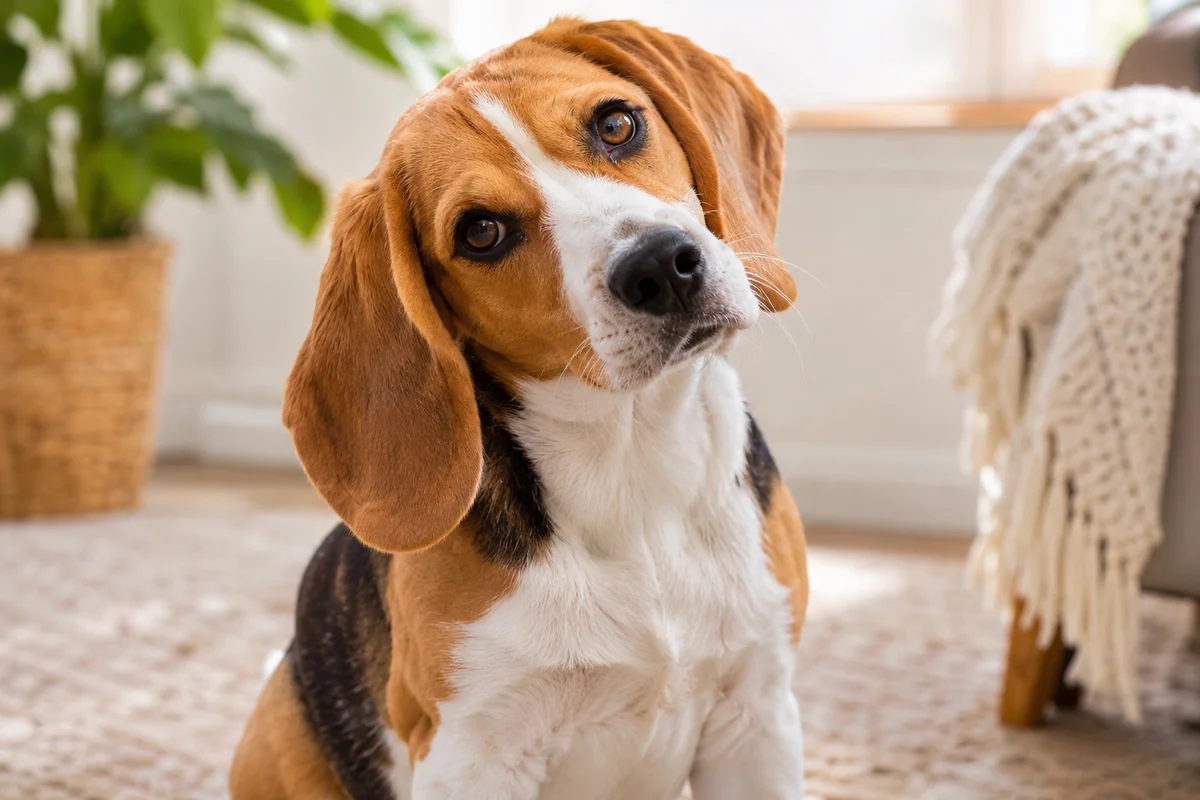
Why do dogs tilt their heads when you speak? That curious sideways look may be one of the most endearing canine expressions. It can reflect attention, sensory processing, or a learned response, but a persistent head tilt can also indicate a medical problem. Here is how to tell the difference.
1. Why Do Dogs Tilt Their Heads at Familiar Words?
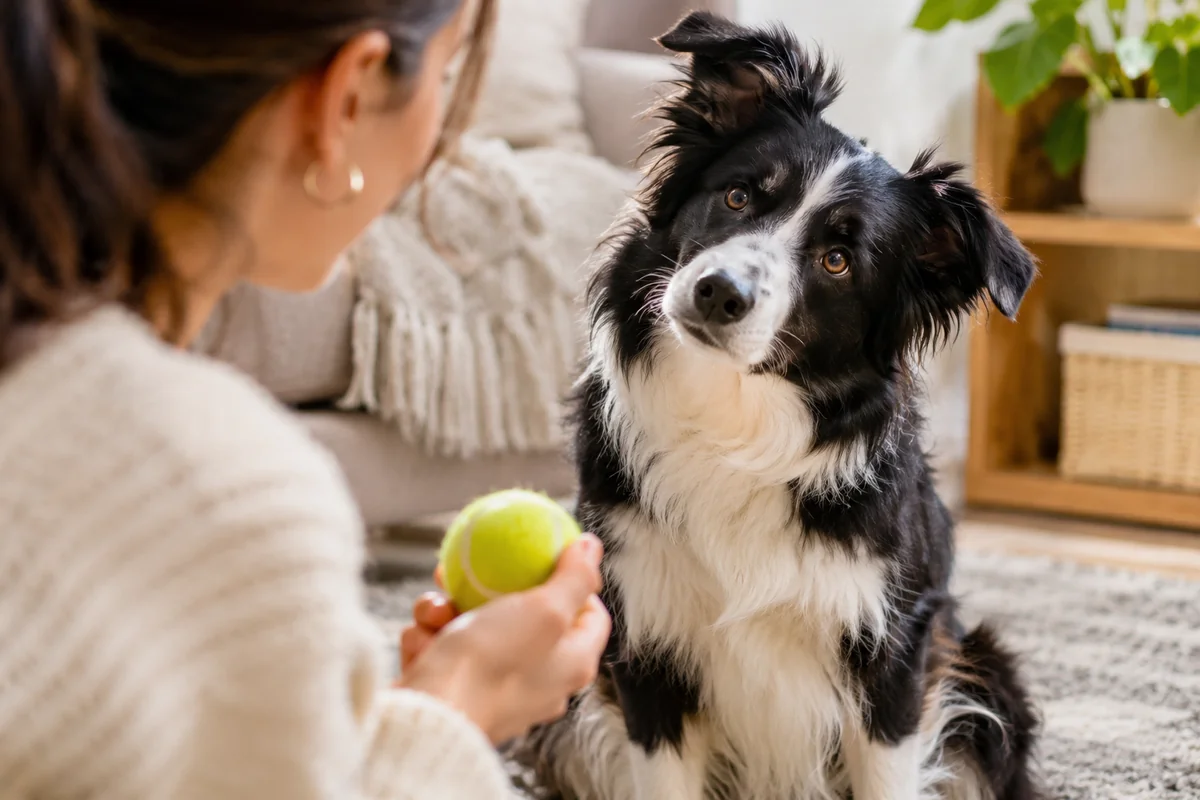
A dog may tilt its head when it hears a familiar word, an unusual noise, or a change in your tone. The movement can accompany focused attention. Research on dogs learning object names has found an association between head tilting and processing meaningful spoken information in some dogs. That finding does not mean every head tilt indicates comprehension, or that dogs that rarely tilt their heads are less intelligent.
In an exploratory study published in Animal Cognition, researchers observed 40 dogs as their owners requested familiar toys by name. Dogs that had learned object names tilted their heads more frequently during these tests. The finding supports a possible connection with attention to meaningful information, but the small sample and specific task limit broader conclusions.
2. Investigating Where a Sound Comes From
Dogs use information from both ears to locate sounds. Changing head position may help a dog investigate an unfamiliar sound or adjust how it reaches the ears. Ear shape and position can influence sound reception. This is a plausible explanation in some situations, but head tilting alone cannot establish exactly what a dog is hearing or why it moved.
3. Looking at Your Face
Dogs often attend to human facial expressions and body movements. A change in head angle may offer a different view of a person’s face, especially at close range. The idea that a dog’s muzzle obstructs part of its view has been proposed, but should not be treated as a proven explanation for all dogs. Short-muzzled dogs can tilt their heads too.
4. Learning From Your Reaction
Why do dogs tilt their heads more often around certain people? A dog may learn that the movement is followed by smiles, praise, or attention. Behaviors that produce rewarding consequences can become more frequent. This does not require the dog to understand that humans consider the expression cute. Respond naturally, but avoid deliberately startling your dog with loud noises just to produce a head tilt for a video.
Try observing your dog during an ordinary conversation. Note whether the tilt occurs after a familiar cue such as the name of a toy, or simply when your voice changes. Keep the interaction quiet and voluntary. This observation can help you understand your dog’s preferences, but it is not an intelligence test.
5. Exploring Something Unfamiliar
A novel toy, unexpected sound, or unfamiliar movement can prompt a dog to pause and investigate. A brief head tilt may be part of that response. Look for relaxed body language, voluntary approach, and normal activity afterward. If the dog retreats, freezes, or appears frightened, give it space. Our dog behavior guide explains how to interpret signals in context.
6. Ear or Balance Problems
A head that remains tilted when no interesting sound is present deserves veterinary attention. Ear inflammation, infection, and disorders affecting the vestibular system are possible causes. Other signs may include scratching at an ear, odor, discharge, stumbling, circling, or abnormal eye movements. A sudden persistent tilt with loss of balance warrants prompt assessment. Severe weakness, collapse, or inability to stand requires urgent care. Do not insert cotton swabs or unprescribed medication into the ear.
A study of vestibular disease in UK veterinary practices identified head tilt, abnormal eye movements, and impaired coordination among the most frequently recorded signs. These symptoms warrant veterinary evaluation rather than assumptions about normal curiosity.
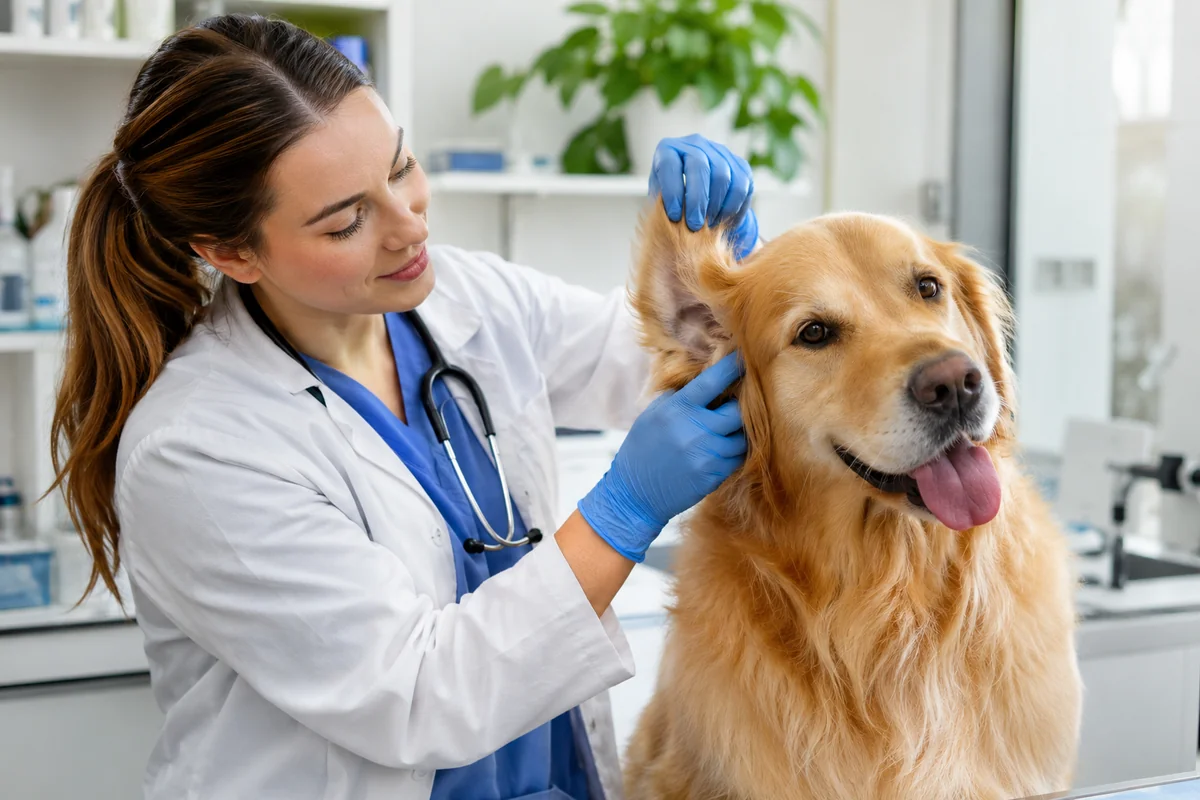
Normal Head Tilting vs. a Medical Warning Sign
A brief tilt that appears during interaction and resolves when the dog moves away is often a normal behavior. A sustained tilt, especially with pain or altered balance, is different. Record when the movement occurs and whether your dog returns to a neutral head position. If possible, take a short video without delaying veterinary care. Older dogs can develop balance problems, but age alone does not explain a new symptom. See our senior dog care guide for more information about age-related care.
| What you notice | Recommended response |
|---|---|
| Brief tilt during conversation, normal movement afterward | Enjoy the interaction and observe |
| Repeated ear scratching or discharge | Arrange a veterinary examination |
| New persistent tilt at rest | Contact your veterinarian promptly |
| Sudden tilt with falling or inability to stand | Seek urgent veterinary care |
Why do dogs tilt their heads even when nobody is talking? Context matters. A brief response to an environmental sound may be harmless, but a sustained abnormal posture needs assessment. A clinical case series also documented head tilt associated with neck or spinal disease, illustrating why a veterinary examination matters.
How to Respond to Your Dog’s Head Tilt
Speak calmly and allow your dog to investigate at its own pace. Use consistent verbal cues and reward desired behavior rather than trying to force a particular expression. If you enjoy teaching your dog object names, start with one familiar toy and short positive sessions. Stop when the dog loses interest. The goal is enjoyable interaction, not proving that your dog understands every word.
Frequently Asked Questions
Why do dogs tilt their heads when you talk?
Attention to meaningful sounds, visual information, and learned associations may contribute.
Why do dogs tilt their heads to one side?
Individual preferences may influence direction. A persistent one-sided tilt outside normal interactions needs assessment.
Why do dogs tilt their heads at strange noises?
They may be investigating the sound, but avoid noises that frighten them.
Final Thoughts
Why do dogs tilt their heads? Often, the answer involves attention and curiosity. Enjoy the expression when your dog is relaxed, and take persistent or uncomfortable head positions seriously.