Understanding Your Dog’s Behavior and Needs: A Complete Guide
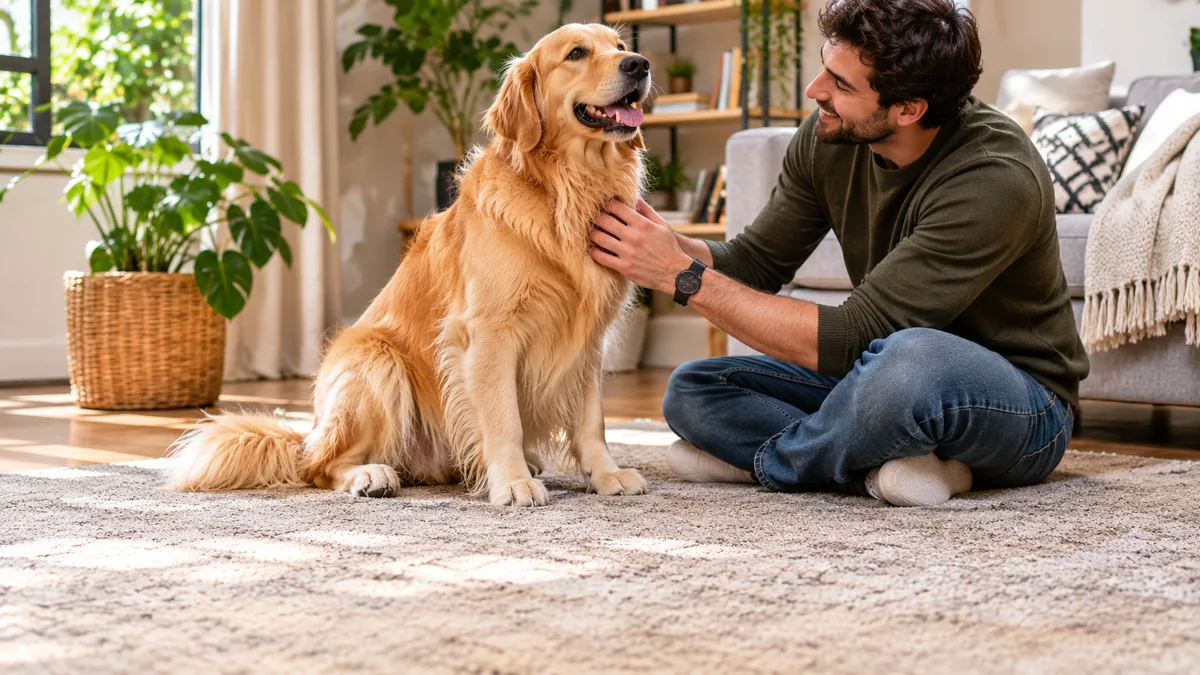
Dogs are incredible companions, and understanding your dog’s behavior and needs is essential to building a strong and loving relationship. This guide will help you decode your dog’s body language, vocalizations, and specific needs so you can provide the best care possible.
Understanding Your Dog’s Behavior Through Body Language
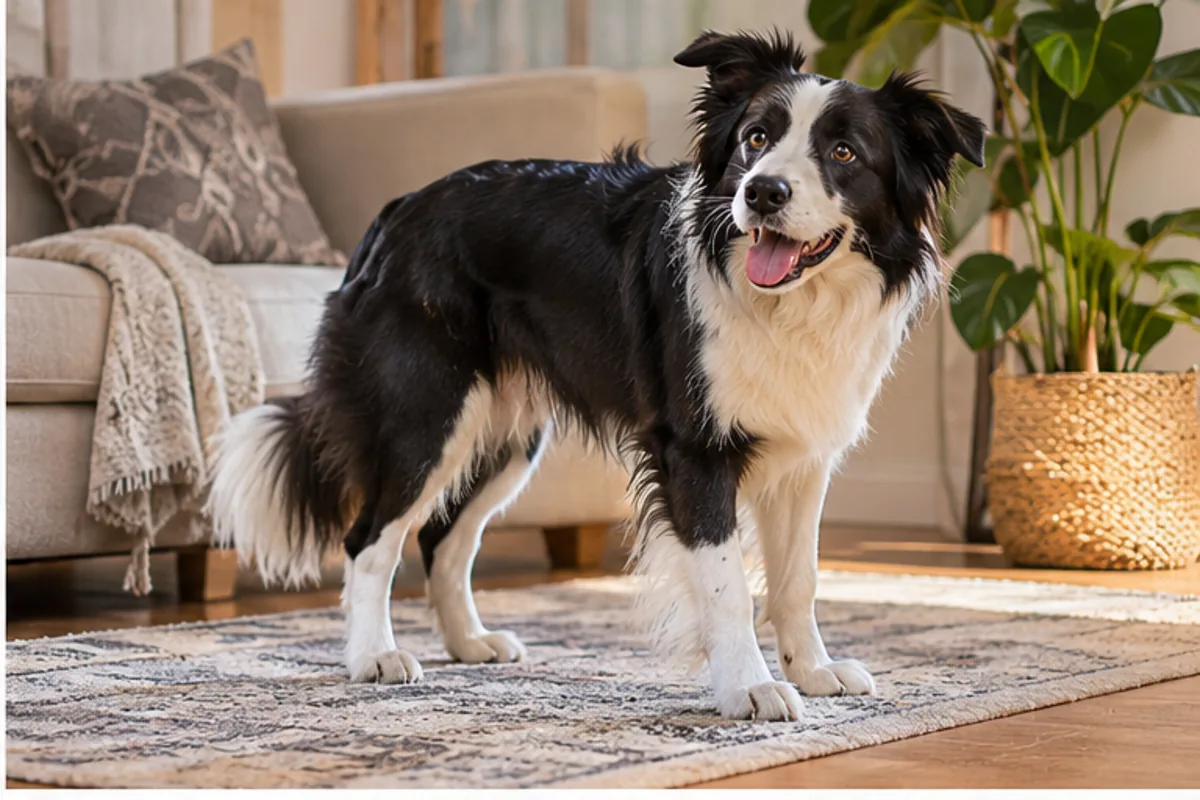
One of the key aspects of understanding your dog’s behavior and needs is recognizing how they communicate through body language. Dogs express their emotions using their tail, ears, posture, and eyes.
Tail Wagging and What It Means
Tail wagging does not always mean happiness. A loose wag with relaxed muscles may indicate comfort, while a high, stiff wag can signal arousal or tension. Look at the dog’s whole body, the situation, and whether the dog can move away.
| Tail Position | Meaning | Additional Body Language Cues |
|---|---|---|
| Broad, loose wag | Often relaxed, but not definitive | Relaxed body, soft eyes |
| Stiff wag | Alert, possibly agitated | Tail held high, tense muscles |
| Tail tucked | May indicate fear or uncertainty | Cowering, lowered body posture |
Ear Position and Emotional Signals
Forward ears can indicate attention, while ears held back may reflect uncertainty, fear, or even a friendly greeting. Ear shape varies widely by breed, so interpret ears alongside the eyes, mouth, posture, and context.
| Ear Position | Meaning | Notes |
|---|---|---|
| Up and forward | Alert, interested | Dog is paying attention |
| Pinned back | Can signal uncertainty or fear | May be combined with cowering |
| Relaxed/floppy | Neutral | Observe other body language |
Posture and Overall Body Language
A loose body and soft eyes often suggest comfort. A rigid stance or hard stare may signal discomfort or heightened arousal. Raised hackles alone do not prove aggression; they can also appear with excitement or fear. Paying attention to these cues helps in understanding your dog’s behavior and needs effectively.
| Posture | Meaning | Possible Behavior |
|---|---|---|
| Relaxed | Comfortable, content | Soft gaze, loose body |
| Stiff | Possible tension or arousal | Raised hackles, fixed stare |
| Cowering | May be frightened or overwhelmed | Tail tucked, lowered head |
Understanding Your Dog’s Needs: Physical and Mental Care
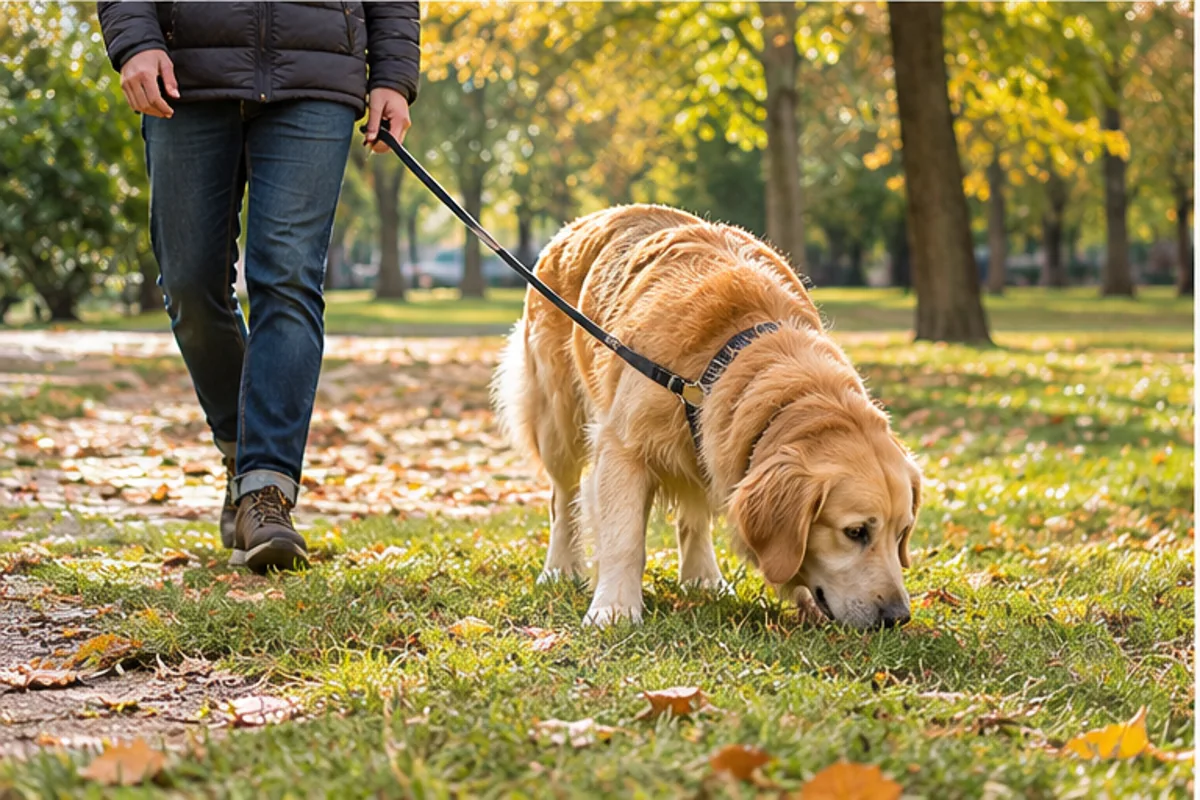
Meeting your dog’s physical and emotional needs is vital for their well-being.
Physical Exercise Needs
Regular walks and playtime keep your dog healthy and happy. Tailor exercise to your dog’s breed and energy level to prevent boredom and destructive behaviors.
| Exercise Type | Benefits | Best For |
|---|---|---|
| Walks | Physical health, mental stimulation | All breeds |
| Fetch | Energy outlet, bonding | High-energy breeds |
| Agility Training | Mental & physical challenge | Working and herding breeds |
Mental Stimulation for a Happy Dog
Engage your dog’s mind with training, puzzle toys, and interactive games. Mental challenges are as important as physical activity in understanding your dog’s behavior and needs.
| Activity | Description | Benefits |
|---|---|---|
| Training sessions | Teaching commands/tricks | Mental exercise, bonding |
| Puzzle toys | Toys that require problem-solving | Keeps dog entertained, prevents boredom |
| Interactive games | Hide-and-seek, scent games | Stimulates natural instincts |
Proper Nutrition and Feeding
Consult your vet to select balanced food that suits your dog’s age, size, and health. Choose food labeled complete and balanced for your dog’s life stage, and ask your veterinarian about individual dietary needs.
| Nutrition Tip | Explanation | Importance |
|---|---|---|
| Consult your vet | Personalized diet advice | Tailors to specific needs |
| Read labels | Check ingredients and quality | Check nutritional adequacy and life-stage labeling |
| Special diets | Allergies, sensitivities | Improve health and comfort |
Addressing Common Behavioral Issues by Understanding Your Dog’s Behavior and Needs

Behavior changes can have many causes, including fear, pain, medical conditions, and unmet needs. Avoid assuming a dog is misbehaving intentionally.
Separation Anxiety Solutions
Practice absences short enough that your dog stays comfortable, then increase them gradually. Do not force a dog to endure panic. For detailed steps, read our separation anxiety in dogs home remedies guide; severe distress warrants veterinary and qualified behavior support.
| Strategy | Description | How It Helps |
|---|---|---|
| Gradual Desensitization | Increase alone time slowly | Reduces anxiety over time |
| Comfort Items | Leave clothing with your scent | Provides reassurance |
| Routine | Consistent feeding and walks | Creates predictability |
Managing Aggression
For growling, snapping, or biting, prioritize safety: create distance from triggers, avoid punishment, and consult a veterinarian to check for pain or illness. A qualified reward-based behavior professional can help design an individualized plan. Do not force greetings or exposure.
| Approach | Description | Benefit |
|---|---|---|
| Professional Trainer | Behavior modification | Identifies triggers, trains dog |
| Socialization | Carefully managed, positive exposure under professional guidance | Builds confidence |
| Veterinary Exam | Check for pain or illness | Rules out medical causes |
Reducing Excessive Barking
First identify what triggers the barking, such as outside movement, fear, or excitement. Manage the environment, reward quiet behavior, and avoid punishment. For dogs barking at passersby, see our gentle window-barking training tips.
| Cause | Solution | Outcome |
|---|---|---|
| Boredom | Increase exercise and toys | Keeps dog engaged |
| Anxiety | Training and comfort items | Calms nervous behavior |
| Attention-seeking | Teach “quiet” command | Encourages control over barking |
A Daily Routine for Understanding Your Dog’s Behavior and Needs
Understanding your dog’s behavior and needs becomes easier when you observe the same daily situations. At mealtimes, notice appetite and whether your dog eats comfortably. During walks, pay attention to how your dog reacts to traffic, unfamiliar people, and other animals. At home, watch whether your dog can rest undisturbed and choose a quiet place to retreat.
Build a predictable routine that includes appropriate exercise, sniffing opportunities, brief reward-based training sessions, meals, and enough sleep. A puppy, senior dog, and highly active adult will not need identical schedules. Adjust activities for your dog’s age, health, breed tendencies, and individual preferences rather than following a rigid one-size-fits-all plan.
When a Change in Dog Behavior Needs Professional Help
Sudden aggression, persistent hiding, unusual vocalization, changes in toileting, or a sharp drop in activity can reflect pain, fear, or illness. Record when the behavior occurs and what happened immediately before it. Contact your veterinarian to rule out medical causes, then consider a qualified reward-based trainer or veterinary behaviorist for ongoing behavior concerns.
Do not punish growling or other warning signals. Instead, give your dog space, prevent stressful encounters, and work on safer alternatives. Understanding your dog’s behavior and needs means recognizing discomfort early and responding calmly. For practical training strategies, see our reactive dog training guide.
Conclusion: The Importance of Understanding Your Dog’s Behavior and Needs
By paying attention to body language, meeting physical and mental needs, and responding thoughtfully to behavioral changes, you can better support your dog’s well-being. Understanding your dog’s behavior and needs creates a foundation for a loyal and loving bond.
For related guidance, explore Reactive Dog Training and The Complete Guide to Dog Care.
Trusted Resources on Dog Behavior
For more guidance on canine body language and behavior concerns, see the ASPCA dog behavior resources and the Merck Veterinary Manual overview of behavior problems in dogs. If a behavior change is sudden, severe, or puts anyone at risk, consult your veterinarian promptly.