Senior Dog Care: Complete Guide to Keeping Your Aging Canine Happy and Healthy
As our beloved canine companions enter their golden years, their care needs evolve significantly, requiring dedicated attention to maintain their quality of life and overall well-being. Senior dog care encompasses a comprehensive approach that addresses the unique physical, mental, and emotional changes that occur as dogs age, ensuring they remain comfortable, active, and cherished family members throughout their twilight years.
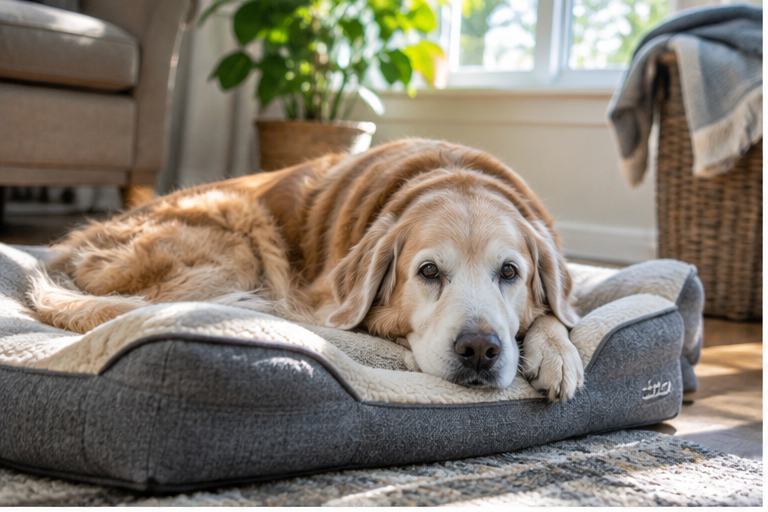
A senior golden retriever dog resting comfortably on an orthopedic bed to support joint health and improve comfort
Understanding when your dog transitions to senior status is crucial for implementing appropriate care modifications. The definition of “senior” varies considerably based on breed size, with larger dogs typically aging faster than their smaller counterparts. While a Great Dane may be considered senior at just 6-7 years old, a small breed like a Chihuahua might not reach senior status until 10-12 years of age. This variation occurs because larger dogs experience more physical stress on their bodies, particularly their cardiovascular systems, leading to shorter lifespans and earlier onset of age-related changes.
Understanding the Senior Dog Life Stage
When Does a Dog Become Senior?
The transition to senior status depends primarily on your dog’s size category:
- Giant breeds (over 90 lbs): 6-7 years old
- Large breeds (51-90 lbs): 8-9 years old
- Medium breeds (21-50 lbs): 10 years old
- Small breeds (under 20 lbs): 11-12 years old
These age ranges represent approximately the last quarter to one-third of a dog’s expected lifespan. However, individual dogs may show signs of aging earlier or later than these general guidelines, depending on factors such as genetics, lifestyle, diet, and overall health history.
Physical and Behavioral Changes in Senior Dogs
As dogs age, they experience numerous physiological changes that mirror human aging processes. Common signs that your dog is entering their senior years include:
Physical Changes:
- Graying around the muzzle and face
- Reduced energy levels and stamina
- Stiffness after periods of rest
- Changes in sleep patterns
- Slower response times to commands or stimuli
- Decreased mobility and reluctance to jump or climb stairs
Behavioral Modifications:
- Increased preference for routine and familiar environments
- Changes in social interactions with family members and other pets
- Altered eating and drinking habits
- Increased anxiety or confusion in new situations
Essential Health Considerations for Senior Dogs
Common Health Issues in Aging Dogs
Senior dogs are susceptible to various age-related health conditions that require proactive management and regular veterinary monitoring. The most frequently encountered issues include:
Arthritis and Joint Problems
Approximately 25% of dogs are diagnosed with arthritis during their lifetime, with up to 60% showing radiographic evidence of joint degeneration. This condition causes pain, stiffness, and reduced mobility, particularly noticeable after periods of rest. Dogs with arthritis may exhibit lameness, difficulty rising, reluctance to exercise, and behavioral changes related to discomfort.
Organ Dysfunction
The kidneys, liver, heart, and other vital organs commonly experience age-related decline in function. Early detection through regular blood work and examinations allows for timely intervention and management strategies that can significantly improve quality of life.
Cognitive Dysfunction Syndrome (CDS)
Similar to Alzheimer’s disease in humans, canine cognitive dysfunction affects many senior dogs, typically beginning around 9 years of age. This condition involves the accumulation of toxic proteins in the brain and reduced blood flow, leading to neuronal damage and cognitive decline.
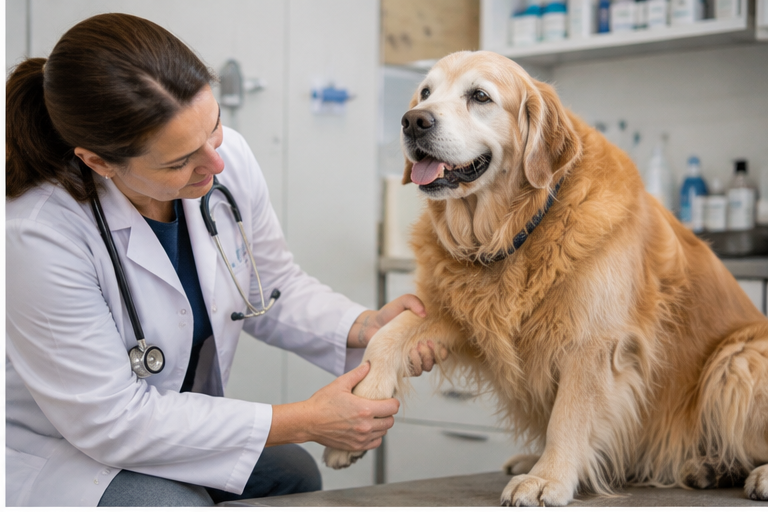
Veterinarian examining a senior dog during a health checkup at a veterinary clinic
Recognizing Cognitive Dysfunction in Senior Dogs
Cognitive dysfunction syndrome is characterized by the acronym “DISHAAL”:
- Disorientation: Getting lost in familiar places, staring into space, or appearing confused
- Interactions: Changes in social behavior, becoming clingy or withdrawn
- Sleep patterns: Restlessness at night, sleeping more during the day
- House soiling: Accidents indoors despite previous house training
- Activity levels: Decreased interest in play or increased restlessness and pacing
- Anxiety: New fears, phobias, or increased nervousness
- Learning and memory: Difficulty responding to known commands or learning new behaviors
Early recognition of these symptoms enables prompt veterinary intervention and implementation of management strategies that can slow progression and maintain quality of life.
Optimizing Nutrition for Senior Dogs
Dietary Requirements for Aging Canines
Senior dogs have distinct nutritional needs that differ significantly from younger dogs due to metabolic changes, reduced activity levels, and potential health conditions. Key nutritional considerations include:
Caloric Adjustments
Aging dogs typically require fewer calories due to decreased activity levels and slower metabolisms. However, the quality of nutrients becomes increasingly important to support aging body systems and maintain ideal body weight.
Protein Requirements
Contrary to popular belief, senior dogs often need higher-quality protein to prevent muscle mass loss and support organ function. When food intake decreases, diets should contain higher protein concentrations to meet essential amino acid requirements and delay age-related muscle wasting.
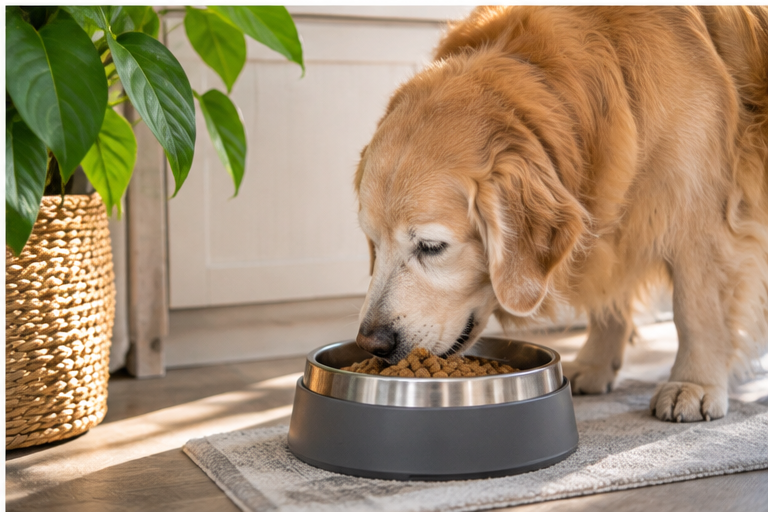
A senior dog eating from an elevated food bowl designed to aid comfort during feeding
Essential Nutrients for Senior Dogs:
- Omega-3 fatty acids: Support joint health, cognitive function, and reduce inflammation
- Antioxidants: Combat oxidative damage and support immune function
- Glucosamine and chondroitin: Promote joint health and cartilage maintenance
- Fiber: Maintain digestive health and support gut microbiome
- Vitamins E and C: Support immune function and cellular protection
Feeding Guidelines for Senior Dogs
Proper feeding management becomes increasingly important as dogs age. Recommendations include:
- Dividing daily food into 2-3 smaller meals to aid digestion and reduce internal workload
- Providing easily accessible food and water bowls to accommodate mobility limitations
- Monitoring weight closely, as both obesity and underweight conditions can impact health significantly
- Ensuring fresh, clean water is always available, as senior dogs may be more susceptible to dehydration
Exercise and Activity Management
Tailoring Exercise for Senior Dogs
While senior dogs may not have the same energy levels as younger dogs, regular exercise remains crucial for maintaining muscle mass, joint mobility, and mental stimulation. The key is adapting exercise routines to accommodate age-related limitations while still providing adequate physical activity.
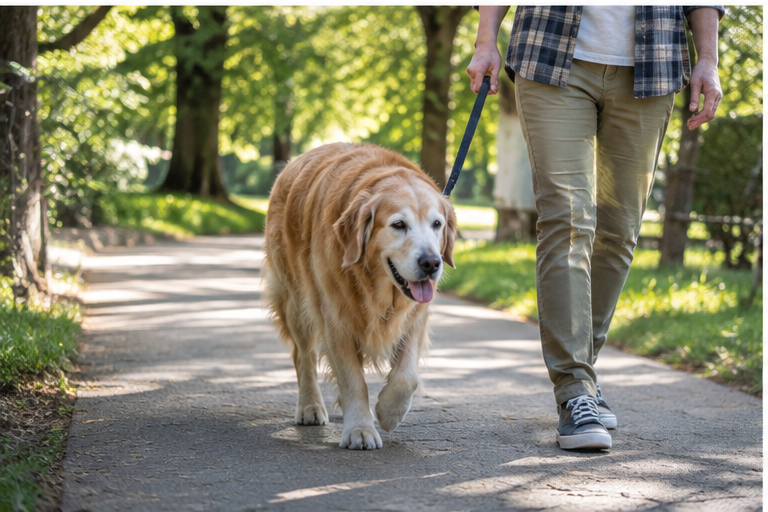
A senior dog being gently walked on a leash outdoors for exercise and care
Recommended Exercise Guidelines:
- Duration: 30-60 minutes of daily exercise, divided into shorter sessions
- Frequency: 2-3 walks per day lasting 10-20 minutes each
- Intensity: Low-impact activities on flat surfaces with good traction
- Types: Walking, swimming, gentle fetch games, and controlled indoor activities
Benefits of Appropriate Exercise
Regular, age-appropriate exercise provides numerous benefits for senior dogs:
- Maintains muscle strength and joint flexibility
- Supports cardiovascular health
- Prevents excessive weight gain
- Provides mental stimulation and reduces anxiety
- Improves overall quality of life and longevity
Warning Signs to Monitor During Exercise:
- Excessive panting or difficulty breathing
- Slowing down significantly or wanting to stop frequently
- Limping or showing signs of pain
- Reluctance to continue activity
- Lying down during walks
Low-Impact Exercise Options
Swimming
Swimming is excellent for senior dogs as it provides cardiovascular benefits without joint stress. The buoyancy of water supports the body while allowing full range of motion, making it ideal for dogs with arthritis or mobility issues.
Controlled Walking
Daily walks on flat, non-slip surfaces allow dogs to maintain fitness while minimizing joint impact. Adjusting pace and distance based on the dog’s capabilities ensures comfortable exercise sessions.
At-Home Exercises
Simple strength and flexibility exercises can be performed indoors:
- Gentle stretching routines
- Balance exercises using treats to encourage controlled movements
- Stair climbing (if appropriate for the individual dog)
- Short play sessions with soft toys
Creating a Senior-Friendly Environment
Home Modifications for Comfort
Adapting the home environment significantly impacts a senior dog’s comfort and safety. Essential modifications include:
Comfort Enhancements:
- Providing orthopedic beds with memory foam to support aging joints
- Placing non-slip rugs on smooth floors to prevent slipping
- Ensuring easy access to food, water, and sleeping areas
- Creating quiet, draft-free resting spaces away from household activity
Senior dog resting comfortably on a textured orthopedic dog bed indoors
Accessibility Improvements:
- Installing ramps or steps to help dogs access furniture or vehicles
- Raising food and water bowls to reduce neck strain during eating
- Providing additional lighting in areas where dogs spend time
- Maintaining consistent household routines to reduce anxiety
Temperature Considerations
Senior dogs often have difficulty regulating body temperature and may need additional support during extreme weather conditions:
- Providing warm coats during cold weather
- Ensuring adequate shade and cooling during hot weather
- Maintaining comfortable indoor temperatures year-round
- Offering extra bedding for warmth and comfort
Comprehensive Health Monitoring
Regular Veterinary Care
Senior dogs benefit from more frequent veterinary examinations to monitor for age-related health changes. Recommended care includes:
Examination Schedule:
- Bi-annual wellness examinations for dogs over 8 years old
- Quarterly visits for dogs over 10 years old or those with chronic conditions
- Immediate veterinary attention for any sudden changes in behavior or health
Senior dog undergoing blood screening during a veterinary health checkup
Diagnostic Testing:
- Complete blood chemistry panels to assess organ function
- Urinalysis to monitor kidney health and detect infections
- Blood pressure measurements to screen for cardiovascular issues
- Radiographs to evaluate joint health and detect internal changes
- Ophthalmologic examinations to assess vision changes
Home Health Monitoring
Daily observation of your senior dog’s condition helps identify potential health issues early. Important areas to monitor include:
Physical Assessment:
- Weight changes (both gain and loss)
- Appetite and water consumption patterns
- Mobility and gait changes
- Breathing patterns and exercise tolerance
- Skin and coat condition, including lumps or growths
Behavioral Observations:
- Sleep pattern changes
- Response to commands and social interactions
- House training consistency
- Activity levels and interest in surroundings
- Signs of pain or discomfort
Dental Care for Senior Dogs
Importance of Oral Health
Dental health becomes increasingly important as dogs age, as periodontal disease can significantly impact overall health and quality of life. Poor dental health can lead to pain, difficulty eating, and systemic health issues affecting the heart, kidneys, and liver.
Signs of Dental Problems:
- Bad breath (halitosis)
- Difficulty chewing or eating
- Excessive drooling
- Swollen, red, or bleeding gums
- Loose or missing teeth
- Pawing at the mouth or face
Dental Care Strategies
Professional Care:
- Regular veterinary dental cleanings under anesthesia
- Dental radiographs to assess tooth roots and bone health
- Treatment of periodontal disease and tooth extractions when necessary
Home Care:
- Daily tooth brushing with pet-specific toothpaste
- Dental chews designed for senior dogs (avoiding overly hard options)
- Water additives to reduce bacterial buildup
- Regular oral examinations to monitor changes
Managing Pain and Comfort
Pain Recognition in Senior Dogs
Senior dogs may not obviously display pain, making recognition challenging for owners. Subtle signs of discomfort include:
- Reluctance to move or exercise
- Changes in posture or gait
- Increased sleeping or decreased activity
- Changes in appetite or eating habits
- Behavioral changes such as irritability or withdrawal
- Panting when not warm or after exercise
Pain Management Options
Medical Management:
- Non-steroidal anti-inflammatory drugs (NSAIDs) prescribed by veterinarians
- Joint supplements containing glucosamine and chondroitin
- Omega-3 fatty acid supplementation for anti-inflammatory effects
- Prescription pain medications for severe cases
Complementary Therapies:
- Physical rehabilitation and hydrotherapy
- Acupuncture for pain relief and improved mobility
- Laser therapy for joint pain and tissue healing
- Massage therapy to improve circulation and comfort
Quality of Life Assessment
Evaluating Senior Dog Well-being
Regular assessment of quality of life helps guide care decisions and ensures senior dogs maintain dignity and comfort. Key factors to evaluate include:
Physical Comfort:
- Pain levels and management effectiveness
- Mobility and ability to perform basic functions
- Appetite and nutritional status
- Sleep quality and restfulness
Mental and Emotional Well-being:
- Interest in surroundings and activities
- Social interactions with family members
- Response to favorite activities or treats
- Overall demeanor and happiness indicators
Functional Capabilities:
- Ability to eat, drink, and eliminate independently
- Mobility for basic needs and exercise
- Cognitive function and awareness
- Maintenance of house training and social skills
When to Seek Professional Guidance
Consultation with veterinary professionals becomes essential when:
- Quality of life appears significantly diminished
- Pain management becomes challenging
- Multiple organ systems show signs of failure
- Cognitive decline severely impacts daily functioning
- Family caregiving becomes overwhelmed or insufficient
Conclusion
Senior dog care represents a comprehensive commitment to maintaining the health, comfort, and quality of life of aging canine companions. Through proactive health monitoring, appropriate nutritional management, adapted exercise routines, environmental modifications, and regular veterinary care, senior dogs can continue to thrive during their golden years.
The key to successful senior dog care lies in early recognition of age-related changes and prompt implementation of appropriate management strategies. By understanding the unique needs of aging dogs and working closely with veterinary professionals, pet owners can ensure their beloved companions enjoy comfortable, dignified, and fulfilling senior years filled with love and proper care.
Regular assessment of quality of life, combined with flexible care approaches that adapt to changing needs, allows senior dogs to maintain their cherished position as valued family members while receiving the specialized attention their aging bodies require. With dedication, knowledge, and professional support, the senior years can truly be golden years for both dogs and their loving families.
For related guidance, explore Hip Dysplasia in Dogs and Recognizing Dog Health Symptoms.
Senior Dog Care: Small Changes That Improve Comfort
Make everyday spaces easier to navigate with non-slip rugs, ramps, and comfortable bedding. Keep walks appropriate for your dog’s mobility and avoid sudden increases in exercise. Monitor appetite, thirst, weight, toileting, sleep, and behavior; changes may reflect pain or illness rather than normal aging.
Ask your veterinarian how often your senior dog should have examinations and whether bloodwork, dental assessment, or arthritis management is appropriate. Never give human painkillers without veterinary guidance.