Parvovirus in Dogs: Symptoms, Treatment, and Prevention
Everything you need to know about canine parvovirus, including its symptoms, diagnosis, treatment, recovery, and the best ways to protect your dog.
Quick Answer
Parvovirus in dogs is a highly contagious viral disease that mainly affects puppies and unvaccinated dogs. The virus attacks the digestive tract and immune system, causing severe vomiting, bloody diarrhea, dehydration, and rapid weakness. Without prompt veterinary care, the disease can become life-threatening within a short period. Fortunately, early diagnosis, intensive supportive treatment, and routine vaccination greatly improve survival and remain the most effective ways to protect dogs from infection.
Table of Contents
What You’ll Learn in This Guide
This guide explains everything dog owners need to know about canine parvovirus, including:
- What parvovirus is and why it is so dangerous.
- How dogs become infected.
- The earliest warning signs to watch for.
- How veterinarians diagnose the disease.
- Available treatment options and recovery expectations.
- Practical prevention strategies to keep your dog safe.
At a Glance
| Topic | Details |
|---|---|
| Disease | Canine Parvovirus (CPV-2) |
| Disease Type | Highly contagious viral infection |
| Most Affected | Puppies and unvaccinated dogs |
| Main Symptoms | Vomiting, bloody diarrhea, lethargy, dehydration |
| Transmission | Contact with infected feces or contaminated environments |
| Treatment | Intensive supportive veterinary care |
| Prevention | Vaccination, hygiene, and limiting exposure to infected areas |
💡 Quick Fact
Canine parvovirus can survive in the environment for several months, making contaminated surfaces a common source of infection. Proper disinfection and vaccination are the most effective ways to reduce the risk.
Parvovirus is one of the most serious infectious diseases affecting dogs worldwide. Although it is most commonly seen in puppies, any unvaccinated dog can become infected after contact with the virus. What makes canine parvovirus particularly dangerous is how quickly it progresses. A puppy that seems only slightly tired or refuses a meal in the morning may develop severe vomiting, bloody diarrhea, and life-threatening dehydration by the following day.
The virus primarily attacks rapidly dividing cells in the intestines and bone marrow. As the intestinal lining becomes damaged, the body loses its ability to absorb nutrients and fluids, while the immune system becomes less capable of fighting secondary bacterial infections. Without immediate veterinary care, these complications can quickly become fatal.
The good news is that canine parvovirus is largely preventable through vaccination and can often be successfully managed when treatment begins early. Modern veterinary care has significantly improved survival rates, giving many infected dogs the opportunity to recover and live healthy lives.
In this comprehensive guide, you’ll learn what parvovirus is, how it spreads, the symptoms every dog owner should recognize, how veterinarians diagnose and treat the disease, and the most effective ways to prevent infection.
What Is Parvovirus in Dogs?
Canine parvovirus (CPV-2) is a highly contagious viral disease that primarily affects rapidly dividing cells within a dog’s body. The virus is best known for attacking the lining of the small intestine, where nutrients and fluids are absorbed, but it also suppresses the bone marrow, reducing the number of white blood cells that protect the body against infection.
Because the immune system becomes weakened while the digestive tract is severely damaged, infected dogs often experience persistent vomiting, bloody diarrhea, rapid dehydration, and extreme lethargy. These complications can develop within a matter of days, making parvovirus one of the most urgent medical emergencies in veterinary medicine.
Puppies between six weeks and six months of age are particularly vulnerable because their immune systems are still developing and they may not have completed their vaccination schedule. However, adult dogs that are unvaccinated or have weakened immune systems can also become seriously ill.
Another reason parvovirus is so difficult to control is its remarkable ability to survive outside the body. Unlike many viruses that die quickly in the environment, canine parvovirus can remain infectious for months on soil, concrete, food bowls, kennels, shoes, clothing, and other contaminated surfaces. This environmental persistence allows the virus to spread even when infected dogs are no longer present.
🩺 Veterinary Insight
There is currently no medication that directly kills canine parvovirus. Treatment focuses on supporting the dog’s body with intravenous fluids, medications, nutritional support, and careful monitoring while the immune system fights the infection naturally.
📊 How Parvovirus Affects the Body
| Body System | What Happens | Possible Consequences |
|---|---|---|
| Digestive System | The virus destroys the intestinal lining. | Severe vomiting, bloody diarrhea, poor nutrient absorption |
| Immune System | White blood cell production decreases. | Higher risk of secondary bacterial infections |
| Hydration | Continuous fluid loss through vomiting and diarrhea. | Severe dehydration and electrolyte imbalance |
| Circulatory System | Bacteria may enter the bloodstream through the damaged intestine. | Sepsis, shock, and life-threatening complications |
How Does Parvovirus Spread?
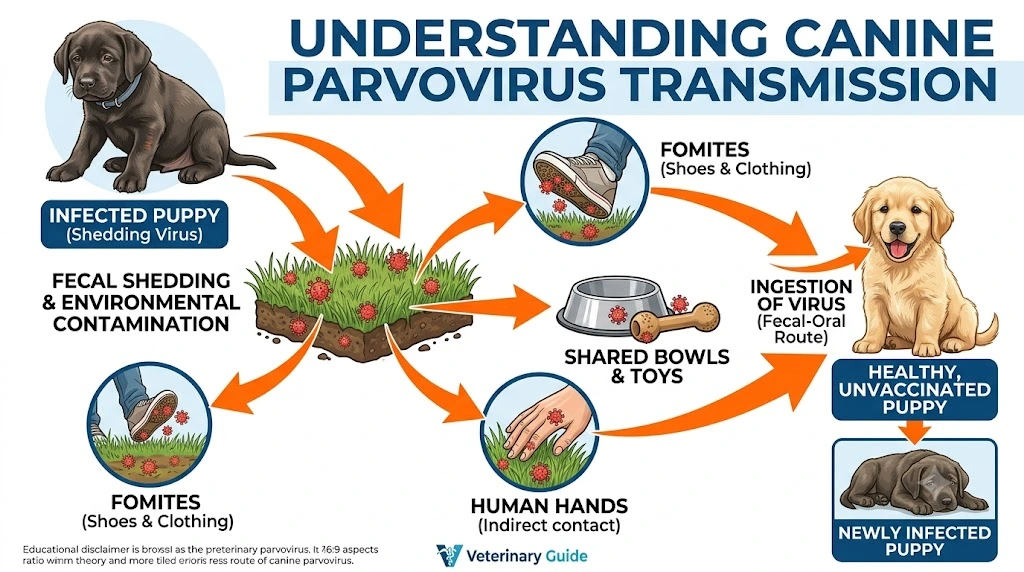
Canine parvovirus is extremely contagious and spreads primarily through contact with infected feces. However, direct contact with a sick dog is not required for infection. The virus is remarkably resilient and can survive in the environment for months, making contaminated surfaces a major source of transmission.
When an infected dog sheds the virus in its feces, millions of viral particles are released into the surrounding environment. Healthy dogs can become infected simply by sniffing contaminated ground, licking objects that carry the virus, or walking through contaminated areas and later grooming their paws.
Because the virus is resistant to many common household disinfectants, places where infected dogs have been—such as parks, kennels, sidewalks, shelters, or backyards—may remain infectious long after the dog has left.
This ability to persist in the environment is one of the main reasons parvovirus outbreaks can spread rapidly among unvaccinated puppies.
Common Sources of Infection
Many dog owners assume their puppy is safe simply because it stays indoors. Unfortunately, parvovirus can be carried into the home on shoes, clothing, or objects that have been exposed to contaminated environments.
Common sources of infection include:
- Contaminated dog parks
- Animal shelters
- Boarding kennels
- Pet daycare facilities
- Veterinary waiting rooms
- Shared food and water bowls
- Grass or soil contaminated with infected feces
- Shoes, clothing, or hands exposed to the virus
- Dog toys that have not been properly disinfected
Even a brief visit to an area where an infected dog has recently been can expose an unvaccinated puppy to the virus.
📊 Common Sources of Parvovirus Exposure
| Source | Risk Level | Why It Is Risky |
|---|---|---|
| Infected feces | 🔴 Very High | Contains millions of viral particles |
| Contaminated soil | 🔴 Very High | Virus can survive for months |
| Dog parks | 🟠 High | Frequent contact between dogs |
| Animal shelters | 🟠 High | High dog turnover increases exposure |
| Shared bowls | 🟡 Moderate | Virus may remain on surfaces |
| Shoes and clothing | 🟡 Moderate | Can carry virus into the home |
⚠️ Emergency Warning
Never allow an unvaccinated puppy to visit public dog parks, pet stores, or areas with heavy dog traffic until the veterinarian confirms the vaccination series is complete.
What Causes Parvovirus in Dogs?
Parvovirus is caused by Canine Parvovirus Type 2 (CPV-2), a highly infectious virus that attacks rapidly dividing cells in the body. Once the virus enters through the mouth or nose, it begins multiplying in lymphoid tissues before spreading through the bloodstream to the intestines and bone marrow.
Unlike bacterial diseases, parvovirus is not caused by poor nutrition, cold weather, or stress. However, these factors may weaken a dog’s immune system, making it more difficult to recover after infection.
Several variants of CPV-2 exist, including CPV-2a, CPV-2b, and CPV-2c. Although these strains differ slightly, they produce similar clinical signs and are effectively covered by current core vaccines.
💡 Did You Know?
Parvovirus was first identified in the late 1970s and spread worldwide within just a few years. Today, it remains one of the most common life-threatening viral diseases in puppies despite the widespread availability of vaccines.
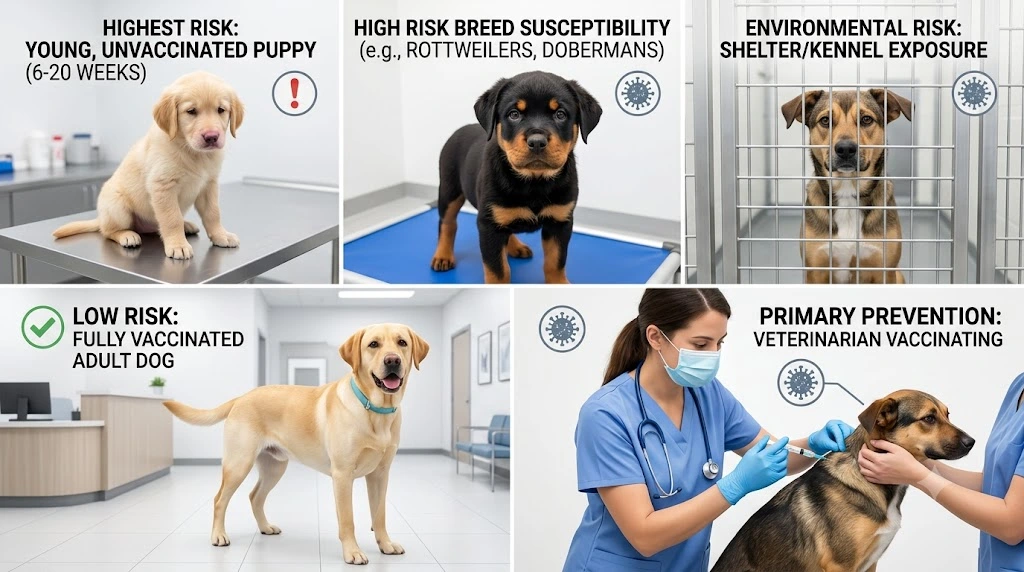
Which Dogs Are Most at Risk?
Although any dog can become infected, some dogs face a significantly higher risk than others.
Puppies
Puppies between 6 weeks and 6 months of age are the most vulnerable because maternal antibodies gradually decline before full vaccine protection develops.
Unvaccinated Dogs
Dogs that have never been vaccinated or have missed booster vaccinations have little immunity against the virus.
Shelter and Rescue Dogs
Dogs living in shelters or rescue facilities often have greater exposure because of frequent contact with new animals.
Certain Breeds
Research suggests that breeds such as:
- Rottweilers
- Doberman Pinschers
- American Pit Bull Terriers
- German Shepherds
- Labrador Retrievers
may experience more severe disease than some other breeds, although all breeds are susceptible.
Dogs with Weakened Immune Systems
Dogs recovering from illness, malnutrition, or other immune-suppressing conditions may struggle to fight the virus effectively.
📊 Dogs at Highest Risk
| Dog Group | Risk Level | Reason |
|---|---|---|
| Puppies under 6 months | 🔴 Very High | Immature immune system |
| Unvaccinated dogs | 🔴 Very High | No protective immunity |
| Shelter dogs | 🟠 High | Increased exposure to infected animals |
| Immunocompromised dogs | 🟠 High | Reduced ability to fight infection |
| Fully vaccinated healthy adults | 🟢 Low | Strong immune protection |
Symptoms of Parvovirus in Dogs
The symptoms of canine parvovirus can develop rapidly, often within 3 to 7 days after exposure to the virus. During the early stages, the signs may appear mild and easy to overlook. However, the disease can progress quickly, especially in puppies, making early recognition essential for successful treatment.
Most infected dogs initially become unusually quiet or lose interest in food. As the virus damages the intestinal lining, severe vomiting and foul-smelling bloody diarrhea often follow. These symptoms lead to rapid dehydration, electrolyte imbalances, and extreme weakness, requiring immediate veterinary care.
While not every dog develops the exact same symptoms, the combination of vomiting, bloody diarrhea, and lethargy in an unvaccinated puppy should always be treated as a medical emergency.
Early Symptoms of Parvovirus
The first signs often appear subtle, causing many owners to mistake them for a minor stomach upset.
Common early symptoms include:
- Loss of appetite
- Mild lethargy or unusual tiredness
- Low-grade fever (sometimes absent)
- Mild vomiting
- Reduced interest in drinking water
- Hiding or sleeping more than usual
Although these signs may seem mild, they often worsen within hours.
Advanced Symptoms
As the virus continues damaging the intestines and immune system, the condition rapidly becomes more serious.
Common advanced symptoms include:
- Frequent vomiting
- Severe bloody diarrhea with a strong odor
- Rapid dehydration
- Pale gums
- Sunken eyes
- Weak pulse
- Significant weight loss
- Collapse
- Low body temperature during severe illness
- Septic shock in advanced cases
Without emergency veterinary treatment, these complications can become fatal.
📊 Early vs. Advanced Symptoms
| Early Symptoms | Advanced Symptoms |
|---|---|
| Loss of appetite | Severe bloody diarrhea |
| Mild vomiting | Continuous vomiting |
| Tiredness | Extreme weakness |
| Mild fever | Severe dehydration |
| Sleeping more | Collapse |
| Reduced activity | Septic shock |
🩺 Veterinary Insight
Bloody diarrhea is one of the most recognizable signs of canine parvovirus—but it does not always appear first. Many infected puppies begin with vomiting, loss of appetite, and lethargy before diarrhea develops. Waiting for bloody diarrhea before visiting a veterinarian can delay life-saving treatment.
How Quickly Do Symptoms Progress?
One of the most dangerous aspects of parvovirus is the speed at which the disease progresses.
A puppy that appears only mildly ill in the morning may become critically dehydrated by the following day. Because vomiting and diarrhea lead to rapid fluid loss, delaying treatment—even by a few hours—can significantly reduce the chances of survival.
The progression varies depending on the dog’s age, immune status, and the amount of virus ingested, but most severe cases worsen within 24 to 48 hours after the first noticeable symptoms.
📊 Typical Symptom Timeline
| Time After Symptoms Begin | What May Happen |
|---|---|
| 0–12 hours | Loss of appetite, mild lethargy |
| 12–24 hours | Vomiting begins |
| 24–48 hours | Bloody diarrhea, dehydration |
| 48–72 hours | Severe weakness and electrolyte imbalance |
| 72+ hours | Critical condition if untreated |
🚨 When Should You See a Veterinarian Immediately?
Seek emergency veterinary care without delay if your dog shows any of the following signs:
- Repeated vomiting
- Bloody diarrhea
- Refusal to eat or drink
- Extreme weakness or inability to stand
- Pale or gray gums
- Signs of dehydration (dry gums, sunken eyes, skin tenting)
- Difficulty staying awake
- Collapse or unresponsiveness
These symptoms indicate a potentially life-threatening condition that requires immediate medical attention.
🚨 Emergency Warning
Never attempt to “wait and see” if an unvaccinated puppy develops vomiting and diarrhea. Early hospitalization provides the best chance of survival and can prevent severe complications.
Can Adult Dogs Get Parvovirus?
Although puppies are the most commonly affected, adult dogs are not immune to parvovirus.
Adult dogs that have never been vaccinated, have missed booster vaccinations, or suffer from weakened immune systems remain susceptible to infection. However, fully vaccinated healthy adult dogs usually develop milder disease or remain protected altogether.
For this reason, keeping vaccinations up to date is essential throughout a dog’s life—not just during puppyhood.
🔍 Quick Checklist: Could It Be Parvovirus?
If your dog has three or more of the following signs, contact your veterinarian immediately:
- ☐ Loss of appetite
- ☐ Repeated vomiting
- ☐ Bloody diarrhea
- ☐ Extreme tiredness
- ☐ Fever or unusually low body temperature
- ☐ Dehydration
- ☐ Pale gums
- ☐ Rapid weight loss
How Is Parvovirus Diagnosed?
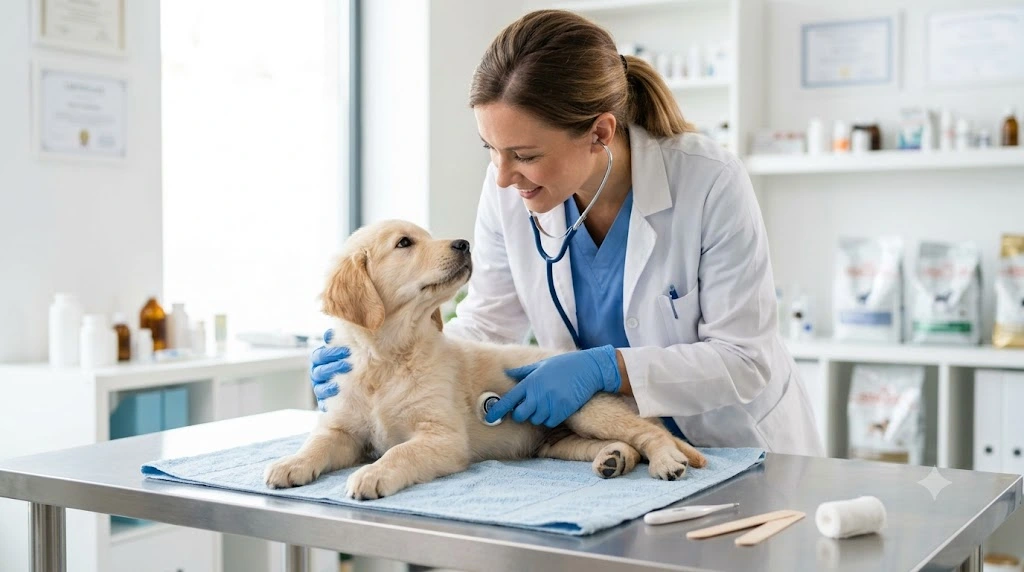
Early diagnosis plays a critical role in improving a dog’s chances of survival. While the symptoms of parvovirus can strongly suggest the disease, veterinarians rely on a combination of the dog’s medical history, physical examination, and laboratory tests to confirm the diagnosis and rule out other illnesses with similar signs.
If your puppy develops vomiting, bloody diarrhea, lethargy, or refuses food—especially if it has not completed its vaccination schedule—your veterinarian will likely recommend immediate diagnostic testing.
Physical Examination
The first step is a thorough physical examination. Your veterinarian will evaluate your dog’s overall condition and look for signs that commonly accompany parvovirus.
During the examination, the veterinarian may assess:
- Body temperature
- Heart rate
- Hydration status
- Gum color
- Abdominal pain
- Body weight
- Level of alertness
Although these findings cannot confirm parvovirus on their own, they help determine how severely the dog is affected and whether emergency treatment should begin immediately.
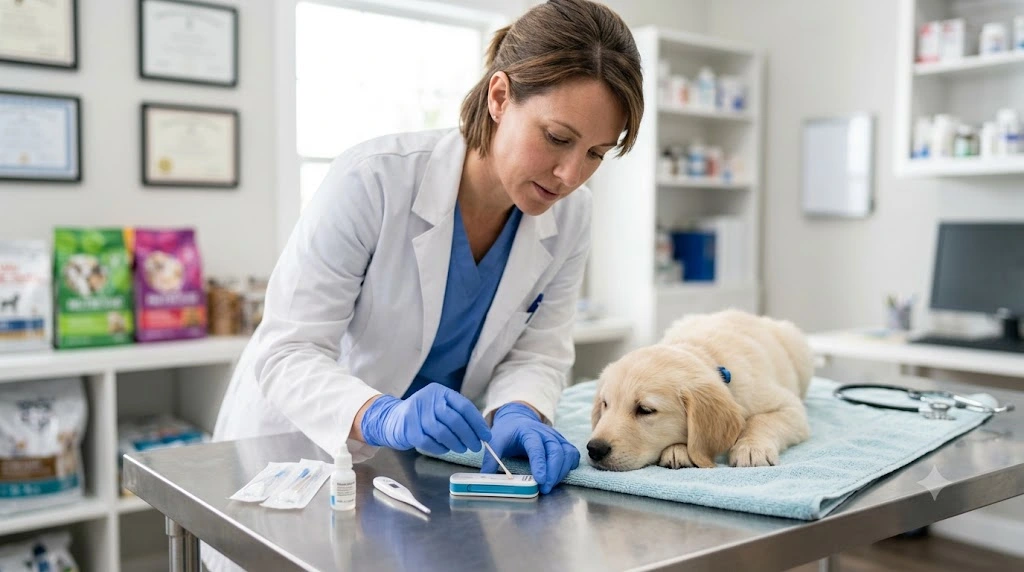
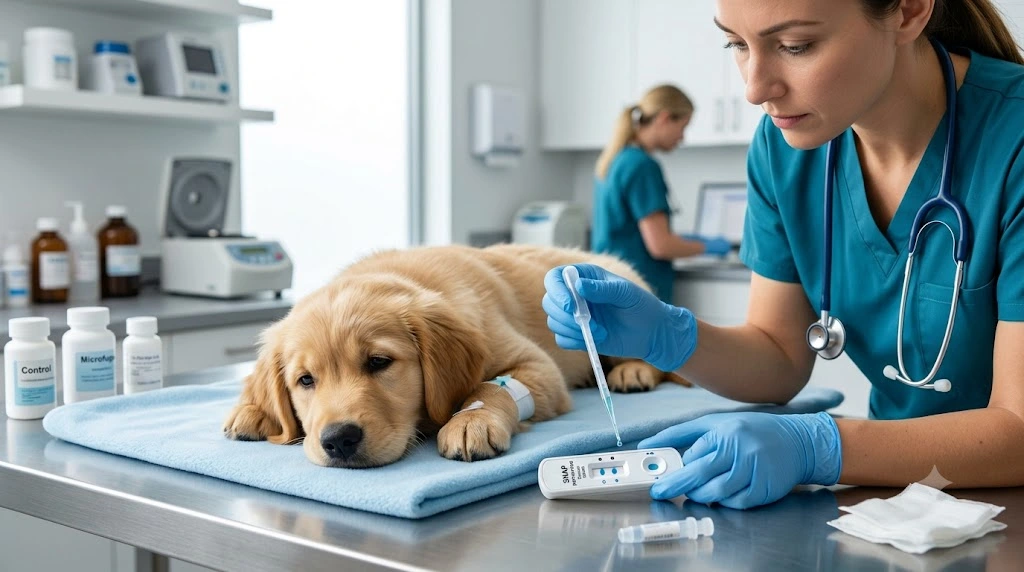
SNAP Parvo Test
The SNAP Parvo Test is the most commonly used rapid diagnostic test in veterinary clinics.
A small fecal sample is collected and analyzed for viral antigens. Results are usually available within 10–15 minutes, allowing treatment to begin without delay.
Although the test is highly accurate, false-negative results may occasionally occur during the very early or late stages of infection. If clinical suspicion remains high, additional testing may still be recommended.
Blood Tests
A complete blood count (CBC) provides valuable information about the dog’s immune response.
Dogs with parvovirus often have:
- Low white blood cell count (leukopenia)
- Signs of dehydration
- Electrolyte imbalances
- Low blood sugar (especially in young puppies)
- Elevated inflammatory markers
These results help veterinarians evaluate disease severity and tailor treatment accordingly.
PCR Testing
In uncertain cases, Polymerase Chain Reaction (PCR) testing can detect extremely small amounts of viral DNA.
PCR is highly sensitive but is generally reserved for specialized laboratories or situations where rapid fecal testing does not provide a clear answer.
Differential Diagnosis
Several diseases can produce symptoms similar to parvovirus, making accurate diagnosis essential.
Conditions that may resemble parvovirus include:
- Severe gastroenteritis
- Intestinal parasites
- Coronavirus infection
- Foreign body obstruction
- Hemorrhagic gastroenteritis
- Toxicity
- Dietary indiscretion
Your veterinarian will consider these possibilities before confirming a diagnosis.
📊 Diagnostic Methods Comparison
| Diagnostic Method | Purpose | Time to Results | Reliability |
|---|---|---|---|
| Physical Examination | Evaluate overall condition | Immediate | Moderate |
| SNAP Parvo Test | Detect viral antigens | 10–15 minutes | High |
| Complete Blood Count (CBC) | Assess immune response | 30–60 minutes | High |
| PCR Test | Detect viral DNA | 1–3 days | Very High |
🩺 Veterinary Tip
Never rely on symptoms alone to diagnose parvovirus. Several serious intestinal diseases can look very similar, and laboratory testing helps ensure your dog receives the most appropriate treatment.
Treatment for Parvovirus in Dogs
Many dog owners ask the same question:
Can parvovirus be cured?
The answer is not exactly.
There is currently no medication that directly kills canine parvovirus. Instead, treatment focuses on supporting the dog’s body while its immune system fights the infection naturally. With prompt veterinary care, many dogs recover successfully.
Because parvovirus causes severe dehydration, intestinal damage, and immune suppression, hospitalization is strongly recommended in most cases.
Intravenous Fluid Therapy (IV Fluids)
Fluid therapy is the foundation of parvovirus treatment.
Repeated vomiting and diarrhea cause rapid loss of water and electrolytes, placing dogs at risk of shock.
Intravenous fluids help:
- Restore hydration
- Correct electrolyte imbalances
- Maintain blood pressure
- Improve circulation
- Support organ function
In severe cases, fluid therapy may continue for several days.
Medications to Control Vomiting
Persistent vomiting prevents dogs from keeping food or water down.
Veterinarians commonly prescribe anti-nausea medications to:
- Reduce vomiting
- Improve comfort
- Allow gradual reintroduction of food
- Prevent further dehydration
Antibiotics
Although antibiotics do not kill the virus, they are often prescribed because the damaged intestinal wall allows bacteria to enter the bloodstream, increasing the risk of sepsis.
Antibiotic therapy helps reduce the likelihood of life-threatening bacterial infections.
Pain Management
Parvovirus can cause significant abdominal discomfort.
Pain-relief medications may be administered to improve comfort and reduce stress during hospitalization.
Nutritional Support
Once vomiting is controlled, early nutritional support plays an important role in recovery.
Small, easily digestible meals help:
- Promote intestinal healing
- Maintain energy levels
- Reduce muscle loss
- Improve overall recovery
Modern veterinary care often introduces nutrition earlier than in the past, as research has shown this can support faster healing.
Intensive Monitoring
Hospitalized dogs are monitored closely throughout treatment.
Veterinary staff regularly assess:
- Hydration
- Body temperature
- Heart rate
- Blood glucose
- Electrolytes
- White blood cell count
- Response to treatment
Frequent monitoring allows complications to be detected and managed quickly.
📊 Treatment Overview
| Treatment | Purpose | Why It Matters |
|---|---|---|
| IV Fluids | Correct dehydration | Prevents shock and organ failure |
| Anti-Vomiting Medication | Control nausea | Allows food and fluids to stay down |
| Antibiotics | Prevent bacterial infections | Reduces risk of sepsis |
| Pain Management | Improve comfort | Reduces stress and supports recovery |
| Nutritional Support | Promote intestinal healing | Speeds recovery |
| Continuous Monitoring | Detect complications | Enables rapid treatment adjustments |
💡 Recovery Fact
Dogs that receive intensive veterinary treatment within the first 24 hours of severe symptoms have a much higher chance of survival than dogs whose treatment is delayed.
Recovery from Parvovirus
Recovering from canine parvovirus is a gradual process that requires patience, proper nutrition, and close veterinary supervision. While some dogs begin showing signs of improvement within a few days of treatment, complete recovery may take several weeks depending on the severity of the infection and the dog’s overall health.
The first positive signs usually include reduced vomiting, improved appetite, increased energy, and firmer stools. Even after leaving the veterinary hospital, your dog may remain weak and require ongoing care at home.
It is important to remember that every dog recovers at a different pace. Puppies, senior dogs, and those with weakened immune systems may need a longer recovery period than healthy adult dogs.
What to Expect During Recovery
Most dogs that survive the critical phase begin improving within three to five days of intensive treatment. However, recovery continues long after clinical signs disappear.
During the recovery period, your veterinarian may recommend:
- A highly digestible prescription diet
- Small, frequent meals
- Plenty of fresh drinking water
- Limited physical activity
- Follow-up examinations
- Completion of any prescribed medications
Avoid introducing new foods or treats until your veterinarian confirms that your dog’s digestive system has fully recovered.
📊 Recovery Timeline
| Time After Treatment | What You Can Expect |
|---|---|
| Day 1–2 | Vomiting gradually decreases, hydration improves |
| Day 3–5 | Appetite slowly returns, diarrhea becomes less severe |
| Week 1 | Energy levels begin improving |
| Week 2 | Most dogs resume normal eating habits |
| Week 3–4 | Full recovery in uncomplicated cases |
💡 Recovery Tip
Even if your dog appears healthy, continue following your veterinarian’s instructions. Stopping medications or changing the diet too early may delay recovery.
Home Care After Hospitalization
Bringing your dog home after parvovirus treatment is an important milestone, but recovery is not yet complete. The immune system and digestive tract still need time to heal.
To support recovery:
- Keep your dog indoors in a clean, quiet environment.
- Provide constant access to fresh water.
- Feed only the diet recommended by your veterinarian.
- Prevent strenuous exercise until your dog has fully regained strength.
- Monitor appetite, stool consistency, and energy levels daily.
- Attend all scheduled follow-up appointments.
Because recovering dogs may continue shedding the virus for a short period, avoid contact with unvaccinated puppies until your veterinarian confirms it is safe.
Common Signs of a Healthy Recovery
A recovering dog will usually show gradual improvement in several areas.
Positive signs include:
- Eating willingly
- Drinking normally
- Increased interest in playing
- Normal bowel movements
- Stable body weight
- Bright, alert behavior
If vomiting or bloody diarrhea returns, contact your veterinarian immediately.
Can Dogs Get Parvovirus Again?
Dogs that recover from parvovirus usually develop strong immunity against the virus. However, immunity may not last forever, and vaccination is still recommended according to your veterinarian’s advice.
In rare situations, dogs may become infected with different viral variants or develop illness if their immune system becomes severely compromised.
For this reason, recovered dogs should continue receiving routine veterinary care and recommended vaccinations.
How to Prevent Parvovirus in Dogs
The best treatment for parvovirus is prevention. Thanks to modern vaccines, this devastating disease has become largely preventable when dogs receive appropriate immunization and owners follow good hygiene practices.
Prevention requires a combination of vaccination, environmental hygiene, and responsible socialization, particularly during puppyhood.
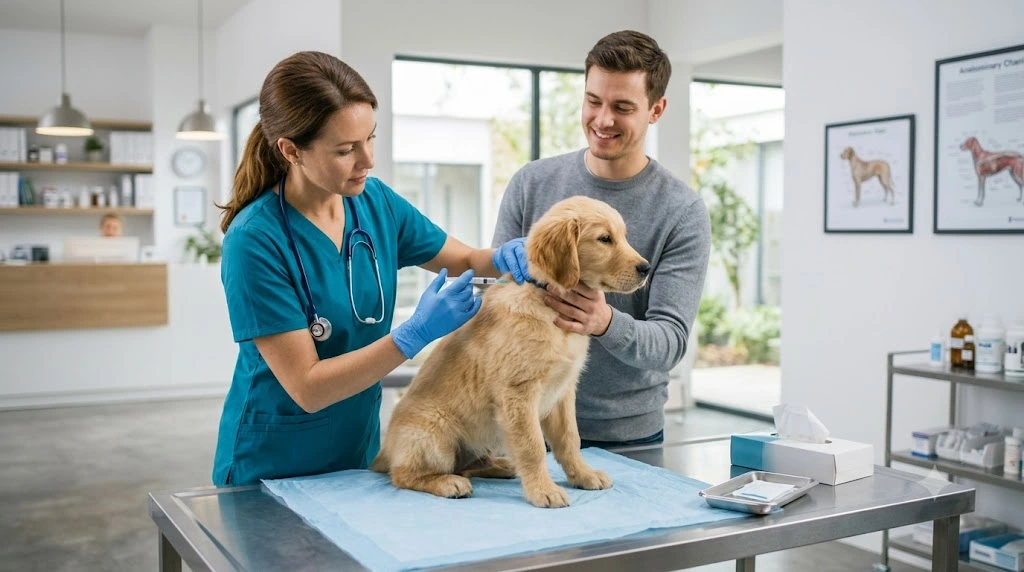
Vaccination
Vaccination is the single most effective way to protect dogs from parvovirus.
Puppies usually begin receiving vaccinations between 6 and 8 weeks of age, followed by booster doses every 3 to 4 weeks until approximately 16 weeks of age.
Adult dogs should continue receiving booster vaccinations according to their veterinarian’s recommendations.
Recommended Vaccination Schedule
| Dog’s Age | Recommended Action |
|---|---|
| 6–8 Weeks | First parvovirus vaccination |
| 9–12 Weeks | Second vaccination |
| 12–16 Weeks | Final puppy booster |
| 12 Months | First adult booster |
| Adult Dogs | Booster according to veterinary recommendations |
Environmental Hygiene
Vaccination alone is not enough if your dog’s environment remains contaminated.
Good hygiene practices include:
- Cleaning food and water bowls daily.
- Washing bedding regularly.
- Disinfecting contaminated surfaces with products proven effective against parvovirus.
- Removing feces promptly.
- Washing your hands after handling sick animals.
Because parvovirus can survive in soil for months, contaminated outdoor areas may remain infectious even after an infected dog has recovered.
Socialization Safety
Socialization is essential for puppies, but timing matters.
Until your puppy has completed its vaccination series:
- Avoid dog parks.
- Avoid contact with unknown dogs.
- Choose controlled environments.
- Attend only veterinarian-approved puppy classes.
Safe socialization helps reduce disease risk while supporting healthy behavioral development.
📊 Prevention Checklist
| Prevention Measure | Importance |
|---|---|
| Complete vaccination series | ⭐⭐⭐⭐⭐ |
| Routine booster vaccines | ⭐⭐⭐⭐⭐ |
| Proper disinfection | ⭐⭐⭐⭐☆ |
| Avoid high-risk environments | ⭐⭐⭐⭐☆ |
| Wash hands after contact with sick dogs | ⭐⭐⭐☆☆ |
| Isolate infected dogs | ⭐⭐⭐⭐⭐ |
🩺 Veterinary Advice
Prevention is always safer, less stressful, and far less expensive than treating parvovirus. Keeping vaccinations up to date is one of the most important responsibilities of every dog owner.
Common Mistakes Dog Owners Make
Even with the best intentions, many dog owners unknowingly make mistakes that can delay treatment or increase the risk of infection. Understanding these common errors can help protect your dog and improve recovery outcomes.
1. Waiting Too Long Before Visiting the Veterinarian
Many owners assume vomiting or diarrhea is caused by a minor stomach upset and decide to “wait and see.” Unfortunately, parvovirus can progress rapidly, especially in puppies. Delaying treatment by even a few hours may significantly reduce the chances of survival.
2. Attempting to Treat Parvovirus at Home
While supportive care at home may seem appealing, parvovirus often requires hospitalization, intravenous fluids, medications, and continuous monitoring. Home remedies should never replace professional veterinary care.
3. Skipping Vaccinations
Failing to complete the puppy vaccination series leaves dogs vulnerable during the period when they are most susceptible to infection.
4. Returning to Public Areas Too Soon
Dogs recovering from parvovirus may continue shedding the virus for a period of time. Always follow your veterinarian’s advice before allowing your dog to visit parks, daycare facilities, or interact with other dogs.
5. Using Ineffective Disinfectants
Not all household cleaners destroy canine parvovirus. Use disinfectants specifically recommended by your veterinarian and follow the manufacturer’s instructions carefully.
📊 Common Mistakes and Better Alternatives
| Common Mistake | Better Practice |
|---|---|
| Waiting for symptoms to worsen | Visit a veterinarian immediately |
| Treating at home without guidance | Seek professional veterinary care |
| Missing booster vaccinations | Complete the full vaccination schedule |
| Allowing contact with other dogs too early | Follow isolation recommendations |
| Using ordinary household cleaners | Use disinfectants effective against parvovirus |
Myths vs. Facts About Canine Parvovirus
Many myths about parvovirus continue to circulate online. Understanding the facts can help dog owners make better decisions.
| Myth | Fact |
|---|---|
| Only puppies get parvovirus. | Adult dogs can also become infected if they are not adequately protected. |
| Indoor dogs cannot catch parvovirus. | The virus can be carried indoors on shoes, clothing, and contaminated objects. |
| Antibiotics cure parvovirus. | Antibiotics help prevent secondary bacterial infections but do not kill the virus itself. |
| Once symptoms improve, treatment is no longer needed. | Dogs should complete the full treatment plan recommended by their veterinarian. |
| Vaccinated dogs can never get parvovirus. | Vaccination greatly reduces the risk and severity of disease but does not provide a 100% guarantee. |
Frequently Asked Questions (FAQ)
1. What is canine parvovirus?
Canine parvovirus is a highly contagious viral disease that primarily affects the digestive and immune systems of dogs, especially puppies.
2. How does parvovirus spread?
The virus spreads through infected feces and contaminated environments, including soil, food bowls, shoes, and clothing.
3. Which dogs are most at risk?
Puppies between six weeks and six months of age and unvaccinated dogs are at the highest risk.
4. What are the first symptoms of parvovirus?
Early signs often include loss of appetite, lethargy, vomiting, and reduced interest in drinking water.
5. Does parvovirus always cause bloody diarrhea?
No. Bloody diarrhea often appears later in the course of the disease. Some dogs initially show only vomiting and lethargy.
6. How is parvovirus diagnosed?
Veterinarians commonly use a rapid SNAP fecal test, physical examination, and blood tests.
7. Is there a cure for parvovirus?
There is no medication that directly kills the virus. Treatment focuses on supportive care while the immune system fights the infection.
8. Can parvovirus be treated at home?
Home care alone is not recommended for most cases. Hospitalization significantly improves survival rates.
9. How long does recovery take?
Many dogs begin improving within several days, while complete recovery may take several weeks.
10. Can adult dogs get parvovirus?
Yes. Adult dogs that are unvaccinated or have weakened immune systems remain susceptible.
11. Can humans catch parvovirus from dogs?
No. Canine parvovirus does not infect humans.
12. How long does the virus survive in the environment?
Under favorable conditions, canine parvovirus can remain infectious for several months.
13. What disinfectants kill parvovirus?
Use disinfectants specifically proven effective against canine parvovirus and follow veterinary recommendations.
14. Can a dog get parvovirus more than once?
Most recovered dogs develop strong immunity, but routine vaccination remains important.
15. What is the best way to prevent parvovirus?
Keeping vaccinations up to date, maintaining good hygiene, and avoiding contaminated environments are the most effective preventive measures.
References
The information in this guide is based on recommendations and educational resources from internationally recognized veterinary organizations, including:
- American Animal Hospital Association (AAHA)
- World Small Animal Veterinary Association (WSAVA)
- Merck Veterinary Manual
- American Veterinary Medical Association (AVMA)
- Cornell University College of Veterinary Medicine
- VCA Animal Hospitals
- Centers for Disease Control and Prevention (CDC) – General infection prevention principles
Related Articles You May Also Like
To help you better understand canine health, continue reading these guides on World Pets Care:
- Dog Vaccination Schedule: Complete Guide for Puppies and Adult Dogs
- Dog Diarrhea: Causes, Symptoms, and When to See a Vet
- Dehydration in Dogs: Signs, Causes, and Treatment
- Distemper in Dogs: Symptoms, Treatment, and Prevention
- Common Puppy Diseases Every Owner Should Know
Conclusion
Canine parvovirus remains one of the most serious infectious diseases affecting dogs, particularly young puppies and unvaccinated animals. However, advances in veterinary medicine have made successful recovery possible for many dogs when treatment begins early.
Recognizing the warning signs, seeking immediate veterinary care, completing the recommended vaccination schedule, and maintaining proper hygiene are the most effective ways to protect your dog from this potentially life-threatening disease.
If your dog develops persistent vomiting, bloody diarrhea, severe lethargy, or signs of dehydration, do not delay. Prompt veterinary treatment can make the difference between life and death.
By staying informed and taking preventive measures, you can significantly reduce your dog’s risk of infection and help ensure a long, healthy, and happy life.
Medical Disclaimer
This article is intended for educational purposes only and should not replace professional veterinary advice, diagnosis, or treatment. If you suspect your dog has parvovirus or any other serious illness, consult a licensed veterinarian immediately.
:::