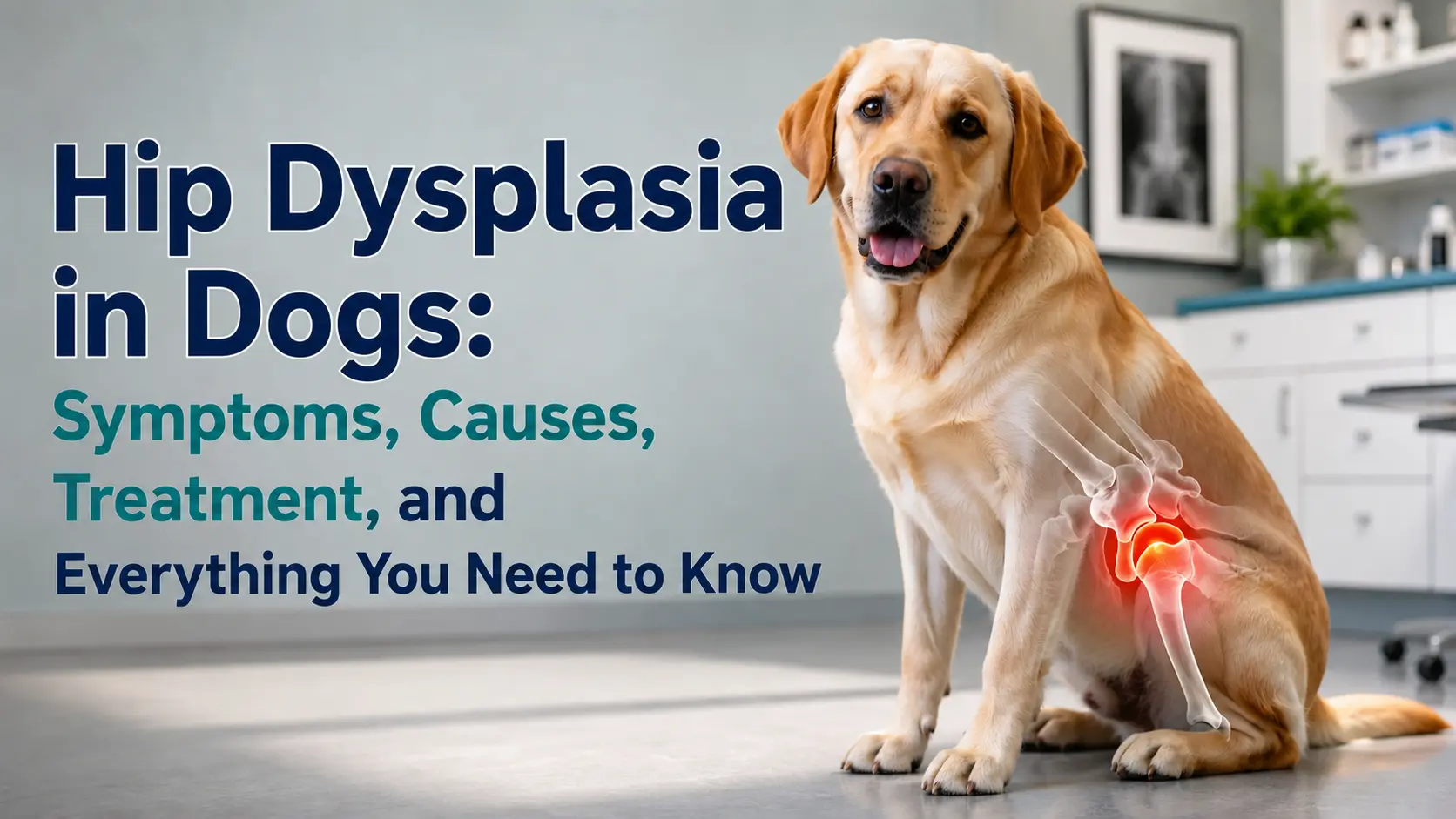
Hip Dysplasia in Dogs: Symptoms, Causes, Treatment, and Everything You Need to Know
misunderstood joint conditions affecting our canine companions. Millions of dogs live with it — and millions of owners don’t see the signs until the damage is already done.
Hip dysplasia in dogs affects millions of pets worldwide, yet
most owners don’t recognize the warning signs until the joint
has already suffered serious damage.
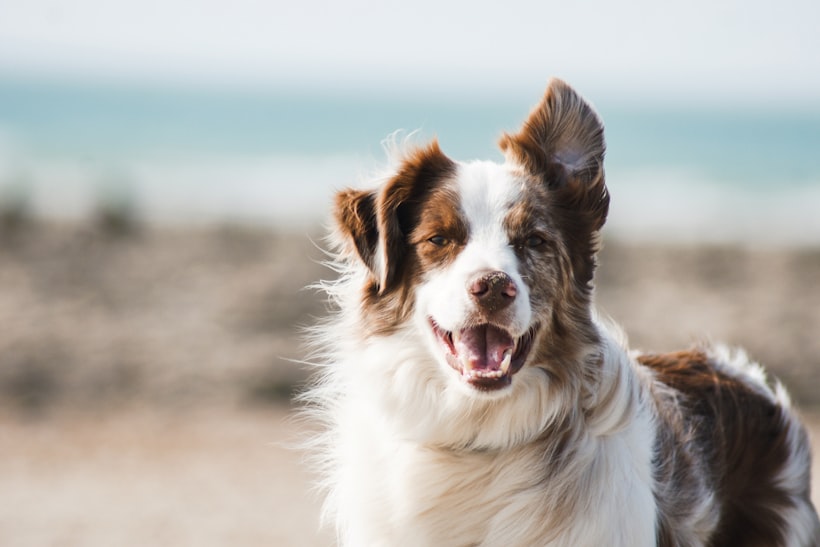
Hip dysplasia in dogs often goes undetected in its early stages — knowing the signs can change your dog’s life.
If you own a large or medium-sized dog, the words “hip dysplasia” are probably not new to you. But knowing the name and truly understanding the condition are two very different things. Hip dysplasia in dogs is a developmental orthopedic disease that affects the ball-and-socket joint of the hip. When this joint doesn’t form properly, the result is instability, grinding, chronic pain, and eventually — if left unmanaged — severe arthritis and loss of mobility.
The heartbreaking reality is that many dogs suffer in silence. Dogs are instinctively wired to hide their discomfort, which means by the time most owners notice something is wrong, the joint has already deteriorated significantly. That’s why awareness — real, detailed awareness — matters so much. In this guide, we’ll walk you through everything: what hip dysplasia is, why it happens, how to spot it early, and what you can realistically do about it.
1. What Is Hip Dysplasia in Dogs?
The hip is a ball-and-socket joint. In a healthy dog, the rounded head of the femur (thigh bone) fits snugly and moves smoothly inside the acetabulum — the cup-shaped socket in the pelvis. The two surfaces glide against each other with ease, cushioned by cartilage and supported by surrounding muscles and ligaments.
In a dog with hip dysplasia, this synchronized development breaks down. The ball and socket grow at unequal rates during puppyhood, creating a joint that is too loose, too shallow, or poorly aligned. Instead of gliding smoothly, the femoral head grinds against the acetabulum with every step the dog takes. Over time, this repeated friction wears away the cartilage, triggers inflammation, and leads to the development of painful bone spurs and degenerative joint disease — what most people call arthritis.
📌 Key Fact
According to VCA Animal Hospitals, hip dysplasia is a genetic disease influenced by diet, environment, exercise, growth rate, and hormones. It is one of the most common orthopedic conditions diagnosed in dogs worldwide.
What makes hip dysplasia particularly challenging is that there is no direct correlation between the severity of the joint deformity on an X-ray and the level of pain a dog experiences. Some dogs with severe structural changes live comfortably with minimal intervention. Others with relatively mild dysplasia show significant pain and mobility problems. Every dog’s experience of this condition is uniquely their own.
2. What Causes Hip Dysplasia in Dogs?
Hip dysplasia is not caused by a single factor — it is the result of a complex interaction between genetics and the environment your dog grows up in. Understanding both sides of this equation is key to prevention and early management.
Genetics: The Foundation
Research confirms that hip dysplasia in dogs is inherited
through multiple genes, making responsible breeding the most
powerful tool we have for reducing its prevalence.
Hip dysplasia is a polygenic trait, meaning it is influenced by multiple genes rather than a single inherited gene. If one or both of a dog’s parents had hip dysplasia, the risk that the puppy will develop it too is significantly elevated. This is why responsible breeding programs use hip screening to reduce the prevalence of the condition across generations. Buying or adopting from breeders who can provide certified hip scores for both parents meaningfully lowers your puppy’s risk.
Rapid Growth and Nutrition
One of the most controllable contributors to hip dysplasia development is the rate at which a large-breed puppy grows. When puppies grow too fast — often because they are overfed or given food too high in calories and calcium — the bones outpace the development of supporting muscles and joint structures. This disparity is a primary driver of the joint instability that characterizes hip dysplasia.
Large and giant breed puppies should never be fed regular puppy food designed for small breeds. Food formulated specifically for large-breed puppies controls caloric density and calcium levels to promote steady, measured growth — a critical difference that many owners overlook.
Exercise During Growth
Over-exercising a puppy before its growth plates have closed — typically between 12 and 18 months of age — places excessive stress on immature joint structures. Activities like forced long runs, intense jumping, and repetitive stair-climbing can accelerate joint damage in puppies who are already genetically predisposed to hip dysplasia. This doesn’t mean puppies shouldn’t play — they absolutely should. It means the type and intensity of exercise matters enormously during those critical early months.
Weight and Body Condition
Obesity is a significant accelerant of hip dysplasia progression. Every extra kilogram of body weight translates to additional stress on already compromised joint surfaces. A dog that is kept lean and fit will almost always experience less pain and better mobility than an overweight dog with the same degree of structural dysplasia.
3. Symptoms: What to Look For
The symptoms of hip dysplasia in dogs vary widely depending
on the dog’s age, weight, and the severity of joint damage.
Hip dysplasia can develop at any age, but symptoms typically appear in one of two distinct windows: in young dogs between five months and two years of age, or in middle-aged and older dogs as the secondary arthritis becomes the dominant problem. The early signs are easy to dismiss as normal puppy awkwardness or ordinary aging — which is exactly why so many cases go undiagnosed for too long.

Watch for changes in how your dog moves — subtle shifts in gait are often the first sign of hip dysplasia.
Early Warning Signs
Bunny-hopping gait (using both hind legs together)
Reluctance to climb stairs or jump
Stiffness after rest, especially in the morning
Decreased interest in walks or play
Swaying or wobbling in the hindquarters
Audible clicking sound from the hip area
Loss of muscle mass in the hind legs
Sensitivity or flinching when hips are touched
🚨 Do Not Wait
If your dog starts limping, struggles to get up after lying down, or suddenly loses interest in activities they used to love — schedule a vet appointment immediately. Hip dysplasia caught early is far more manageable than hip dysplasia caught late.
It’s worth noting that some dogs show virtually no visible symptoms despite having significant structural changes on X-ray. Others seem in severe pain with changes that appear relatively mild on imaging. Never assume your dog is fine simply because they are not visibly limping. A routine wellness exam that includes hip evaluation is the only reliable way to know for certain.
4. Breeds Most at Risk
While any dog can develop hip dysplasia — including small breeds — large and giant breeds carry a substantially higher genetic predisposition. The following breeds are among the most commonly affected:
German Shepherd
Labrador Retriever
Golden Retriever
Rottweiler
Great Dane
Saint Bernard
Bulldog
Boxer
Bernese Mountain Dog
Owning one of these breeds doesn’t mean your dog will develop hip dysplasia — it means the risk warrants proactive screening and thoughtful management from puppyhood onward. If your dog is a large breed, talk to your vet about baseline hip evaluation before symptoms ever appear.
5. How Is Hip Dysplasia Diagnosed?
Diagnosis of hip dysplasia in dogs requires a combination of physical examination and imaging. Your veterinarian will begin by observing your dog’s gait and posture, then manually manipulating the hip joints to assess range of motion, detect pain responses, and feel for looseness or grinding within the joint.

A thorough physical examination and X-rays are the gold standard for diagnosing hip dysplasia in dogs.
The definitive diagnostic tool is X-ray (radiography). X-rays allow the vet to visualize the structure of the hip joint, measure the degree of joint laxity, identify any arthritic changes such as bone spurs, and assess the depth and shape of the acetabular socket. For breeding purposes, formal hip scoring through organizations like the Orthopedic Foundation for Animals (OFA) or PennHIP provides standardized, certifiable assessments.
In some cases, particularly when surgery is being considered, additional imaging such as CT scans may be recommended to get a more detailed three-dimensional picture of the joint architecture.
6. Treatment Options for Hip Dysplasia in Dogs
There is no cure for hip dysplasia — but there is a wide and increasingly effective range of treatments that can dramatically improve a dog’s quality of life. The right approach depends on the dog’s age, the severity of the condition, their overall health, and the owner’s resources and commitment.
💊 Conservative (Non-Surgical) Management
Managing hip dysplasia in dogs without surgery is possible
for many patients, particularly when the condition is
caught in its early or moderate stages.
For many dogs — especially those in the mild to moderate range — non-surgical management is the first and often the most sustained approach. This typically involves a carefully calibrated combination of weight management, controlled low-impact exercise, physical therapy, and medication.
Anti-inflammatory drugs (NSAIDs) prescribed by a veterinarian are the cornerstone of pain management. Joint supplements containing glucosamine, chondroitin, and omega-3 fatty acids support cartilage health and reduce inflammation. Newer treatments like injectable Librela (monoclonal antibody therapy) offer targeted pain relief with fewer systemic side effects.
🏊 Physical Rehabilitation and Hydrotherapy
Canine physical rehabilitation has transformed the management of hip dysplasia over the past decade. Hydrotherapy — exercise performed in warm water — allows a dog to build muscle strength and maintain mobility without placing weight on painful joints. Underwater treadmills, in particular, have become a staple in veterinary rehabilitation centers worldwide.
According to the American Veterinary Medical Association, structured physical rehabilitation programs can significantly reduce pain and improve function in dogs with orthopedic conditions including hip dysplasia.

Hydrotherapy is one of the most effective non-surgical treatments for managing hip dysplasia pain and rebuilding muscle strength.
🏥 Surgical Options
When conservative management is no longer sufficient, or when dysplasia is caught early enough in young dogs, surgery offers the possibility of significant structural correction and long-term relief. The three most common surgical options are:
Triple Pelvic Osteotomy (TPO) — most effective in dogs under 10 months with no established arthritis. The pelvis is cut in three places and repositioned to improve socket coverage over the femoral head.
Total Hip Replacement (THR) — considered the gold standard for dogs with severe arthritis. The entire hip joint is replaced with a prosthetic implant, often yielding near-normal function. Success rates exceed 90% in appropriate candidates.
Femoral Head and Neck Ostectomy (FHO) — the ball of the femur is surgically removed, eliminating the painful bone-on-bone contact. The body forms a “false joint” of fibrous tissue. Less ideal for large dogs but a practical option when cost is a factor.
⚠️ Important Note on Surgery
Not every dog with hip dysplasia needs surgery — and not every dog is a good surgical candidate. Work closely with a board-certified veterinary orthopedic surgeon to determine which path is right for your dog based on their age, weight, health status, and degree of joint damage.
7. Living with a Dog Who Has Hip Dysplasia
A diagnosis of hip dysplasia is not a death sentence — not even close. With the right adaptations and consistent care, many dogs with this condition live full, comfortable, and joyful lives for many years. What changes is not the relationship you have with your dog, but the way you structure their daily environment and routine.
Practical Home Adjustments
- Orthopedic bedding — replace your dog’s bed with a high-quality memory foam orthopedic mattress. The difference in how they rise and move after rest will be immediately noticeable.
- Non-slip flooring — hardwood and tile floors are treacherous for dogs with hip pain. Place yoga mats, rubber runners, or carpet strips in key areas like hallways, near food bowls, and at the base of any steps.
- Ramps instead of stairs — for dogs who sleep on the bed or access the car, a gentle ramp eliminates the jarring impact of jumping up and down.
- Raised food and water bowls — reduces the need to bend the neck and back downward, which can create compensatory tension in the hind end.
- Warm environments — cold and damp conditions worsen joint stiffness and pain. Keep your dog warm, particularly in winter months, and consider a dog coat for outdoor walks.
Exercise — the Right Kind
Rest is not the answer for dogs with hip dysplasia — appropriate movement is. Muscle atrophy from inactivity actually makes the condition worse by removing the muscular support that stabilizes the joint. Short, frequent, low-impact walks on soft surfaces like grass are far better than long runs or activities involving jumping. Swimming is excellent. Fetch on hard ground is not.
8. Prevention: What You Can Do
If you have a puppy — especially a large-breed puppy — the decisions you make in the first 12 to 18 months of their life have an outsized impact on their joint health for the rest of their life. Prevention is not guaranteed, but it is real and meaningful.
- Choose a responsible breeder who can provide OFA or PennHIP certification for both parent dogs, demonstrating that the parents have been screened and cleared for hip dysplasia.
- Feed a large-breed puppy formula from weaning through adolescence. These foods are specifically designed to prevent the rapid growth that strains developing joints.
- Keep your puppy lean — you should be able to feel your dog’s ribs easily without pressing hard. A lean body condition throughout life is one of the most powerful tools available for joint health.
- Exercise appropriately — follow the “5-minute rule” for puppies: no more than 5 minutes of structured exercise per month of age, twice daily. A 4-month-old puppy needs 20 minutes of exercise per session — not two hours in a dog park.
- Schedule baseline hip screening at around 12 months for at-risk breeds, even if no symptoms are present. Early detection allows early intervention.
As the ASPCA recommends, proactive preventive care and regular veterinary visits are the most reliable foundation for long-term health in dogs of all breeds and sizes.
💡 Did You Know?
Studies show that dogs kept at a lean body weight throughout their lives develop arthritis an average of two years later than overweight dogs with the same genetic predisposition. Weight management alone may be the single most impactful intervention available to any dog owner.
Final Thoughts: Your Dog Can Still Live a Full Life
Hip dysplasia in dogs is a serious condition — but it doesn’t have to define your dog’s life. With early detection, the right treatment plan, smart lifestyle adjustments, and consistent veterinary partnership, the vast majority of affected dogs go on to live active, comfortable, and deeply happy lives.
The most important thing you can do as an owner is to pay attention. Watch how your dog moves. Notice the changes. Trust your gut when something seems off. The difference between a dog who manages hip dysplasia well and one who suffers unnecessarily is almost always a matter of how early the owner acted.
Hip dysplasia in dogs is manageable — millions of dogs
with this condition live active, joyful lives every day.
Your dog can’t tell you where it hurts. But they show you — every single day — if you know what to look for.
🐾 World Pets Care — Trusted advice for every pet parent.
Hip Dysplasia in Dogs Dog Joint Disease Dog Health Large Breed Dogs Dog Arthritis Dog Surgery Dog Pain Management Pet Care