The Complete Guide to Natural Dog Food: Why It Matters More Than You Think
Walk down any pet food aisle and you’ll notice something. Bags labeled “natural” now outnumber the ones that aren’t. That’s not a marketing accident. It reflects a real shift in how dog owners think about feeding their pets.
More people are asking what’s actually in the bag, not just what’s on the front of it. And honestly, that’s a good thing. Dogs can’t read ingredient labels or ask questions at the vet’s office. That job falls to us.
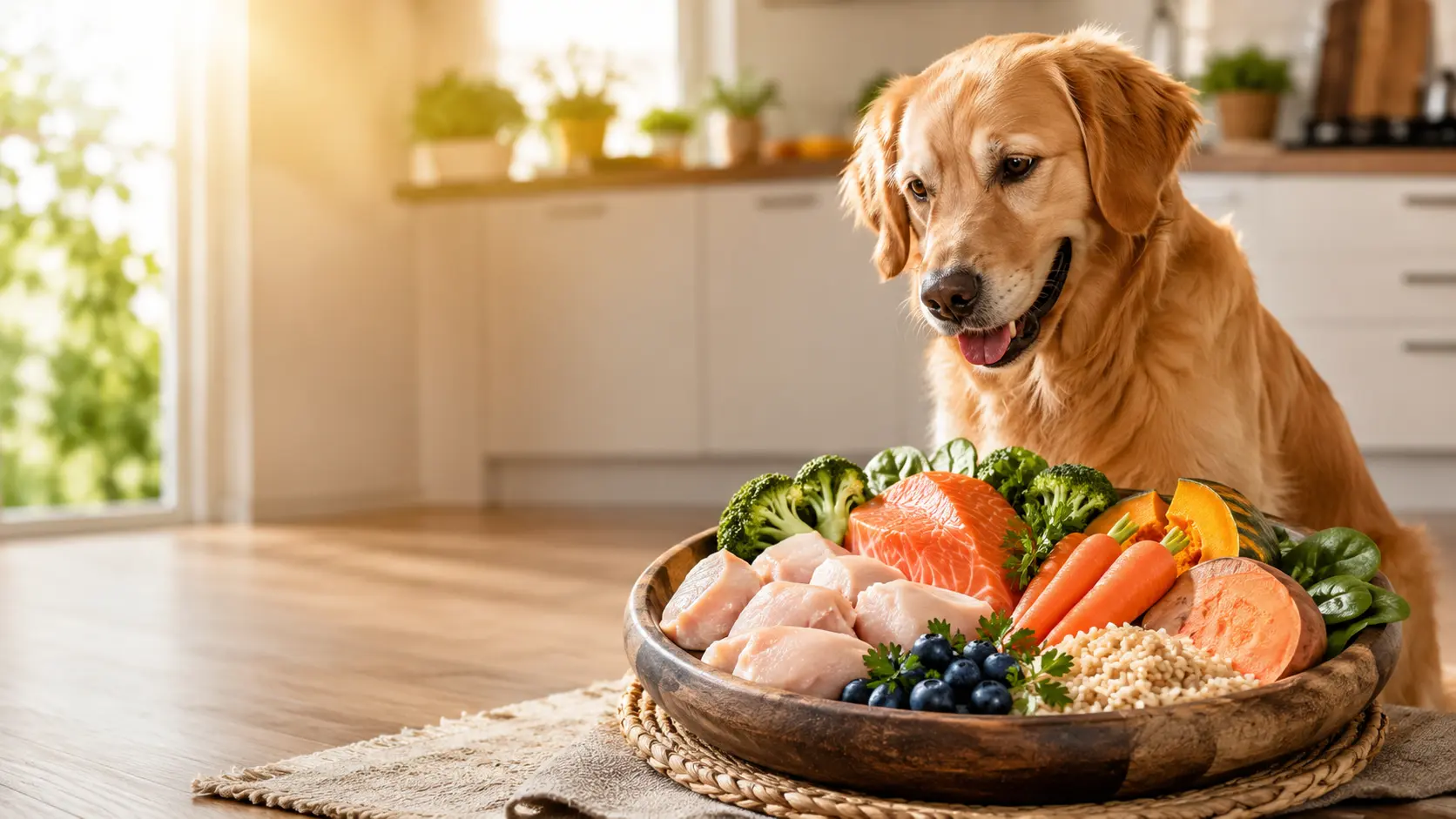
Natural dog food isn’t a fad diet or a luxury for pampered pups. It’s a return to feeding dogs the way their bodies were designed to eat — with real meat, whole vegetables, and none of the unnecessary chemical filler that’s crept into pet food over the decades.
This guide breaks down what natural dog food really means, why it matters for your dog’s health, and how to make the switch without stress or guesswork.
What Is Natural Dog Food?
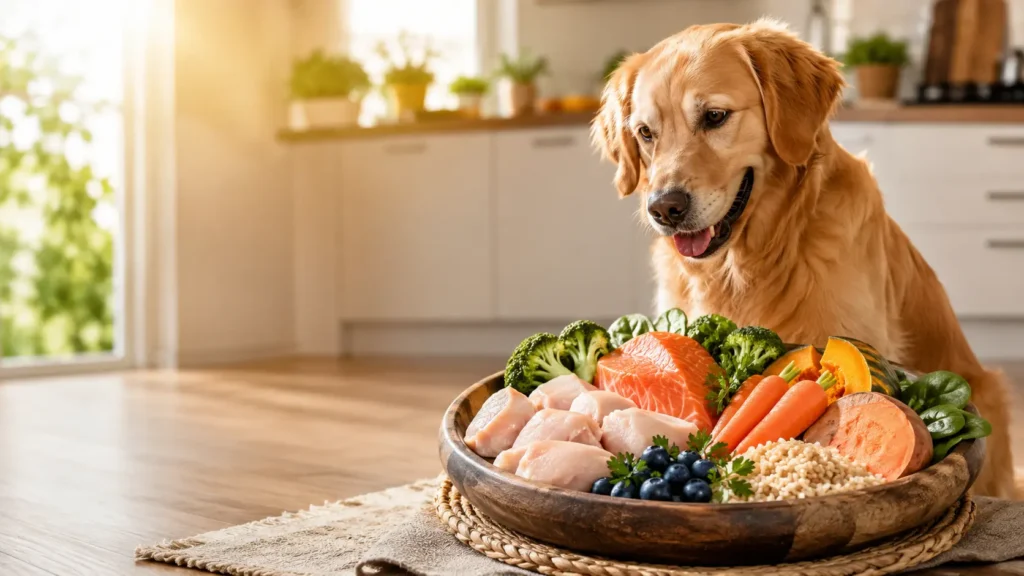
Natural dog food refers to food made primarily from whole, minimally processed ingredients — real meat, vegetables, fruits, and grains — without synthetic preservatives, artificial colors, or artificial flavors.
It’s worth noting that “natural” isn’t the same as “organic” or “raw.” A natural food can be cooked, canned, or dry kibble. What matters is the ingredient list, not the format. According to the American Kennel Club, the Association of American Feed Control Officials sets guidelines for what can legally be labeled “natural” on pet food packaging, so there’s actually a regulatory backbone behind the term, not just marketing fluff.
In simple terms: if you can recognize most of the ingredients on the label, you’re probably looking at a genuinely natural product.
Benefits of Natural Dog Food
Better Digestion
Whole ingredients are easier for a dog’s gut to break down than heavily processed fillers like corn syrup solids or artificial thickeners. Owners often notice firmer stools and less gas within the first few weeks of switching.
Healthier Skin and Coat
Natural fats from sources like salmon oil, flaxseed, or chicken fat support skin barrier function. A dull, flaky coat often improves once artificial additives are removed from the diet.
Improved Energy Levels
Dogs fueled by real protein and complex carbs tend to have steadier energy throughout the day, rather than the sugar-crash pattern that can come from low-quality fillers.
Weight Management
Natural diets tend to have better protein-to-filler ratios, which helps dogs feel satisfied on appropriate portions instead of overeating empty calories.
Stronger Immune System
Nutrient-dense ingredients — think blueberries, pumpkin, and lean meats — provide antioxidants and vitamins that support long-term immune resilience, not just short-term energy.
Ingredients to Look For
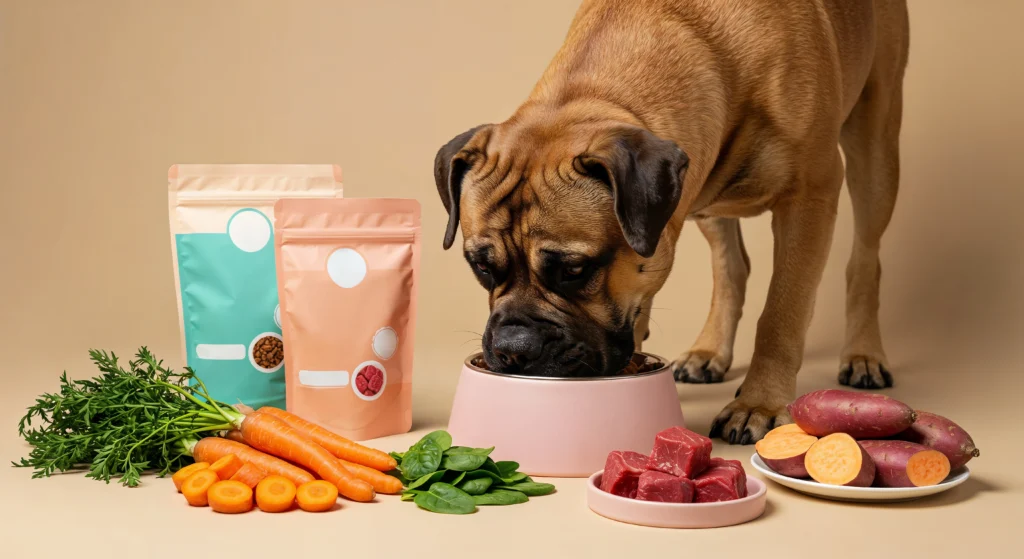
- Named animal proteins (chicken, beef, salmon — not vague “meat meal”)
- Whole vegetables like carrots, spinach, and sweet potato
- Healthy fats such as fish oil or flaxseed
- Natural preservatives like vitamin E (mixed tocopherols) or vitamin C
- Limited, recognizable ingredient lists
Ingredients to Avoid
- Artificial colors (Red 40, Yellow 5, Blue 2)
- Chemical preservatives like BHA, BHT, or ethoxyquin
- Corn syrup or excessive sugar
- Unnamed “meat by-products”
- Excessive fillers like cellulose or wheat middlings
The ASPCA notes that pet owners should always check ingredient labels carefully, since packaging claims and actual contents don’t always match up.
Homemade vs. Commercial Natural Dog Food
This is where a lot of owners get stuck. Homemade meals give you total control over ingredients, but they carry real risk if nutrient ratios are off. Commercial natural food, on the other hand, is formulated to meet specific nutritional standards — assuming you choose a reputable brand.
My honest take? Commercial natural food is the safer default for most households. Homemade diets work best when guided by a veterinary nutritionist who can catch gaps in calcium, taurine, or essential fatty acids before they become a problem.
How to Transition Your Dog Safely
Switching foods too quickly is one of the fastest ways to upset a dog’s stomach. Here’s a simple gradual approach:
- Days 1–3: 75% old food, 25% new food
- Days 4–6: 50% old food, 50% new food
- Days 7–9: 25% old food, 75% new food
- Day 10 onward: 100% new food
Watch for loose stools, vomiting, or unusual lethargy during the transition. If symptoms persist beyond a few days, slow the process down or check in with your vet. For more guidance on digestive symptoms, PetMD is a reliable resource for owners navigating diet changes.
Common Mistakes Dog Owners Make
- Assuming “natural” means “complete and balanced.” Always check for AAFCO compliance statements.
- Switching foods overnight. This is the number one cause of digestive upset.
- Ignoring life-stage needs. Puppies, adults, and seniors have different nutritional requirements.
- Overfeeding “healthy” treats. Natural doesn’t mean calorie-free.
- Not consulting a vet before major diet changes, especially for dogs with existing health conditions.
Comparison: Natural vs. Regular Commercial Dog Food
| Feature | Natural Dog Food | Regular Commercial Food |
|---|---|---|
| Protein Quality | High | Variable |
| Artificial Additives | Minimal | Often Present |
| Digestibility | Better | Moderate |
| Overall Health Impact | Positive | Depends on Brand |
Frequently Asked Questions
Is natural dog food more expensive?
Usually, yes — slightly. But better digestibility often means smaller portions, which narrows the cost gap over time.
Can natural dog food help with allergies?
It can, particularly for dogs sensitive to artificial additives or common fillers. Food allergies happen when a dog’s immune system overreacts to a specific ingredient, so simplifying the ingredient list often helps identify and avoid triggers.
Is grain-free the same as natural?
No. Grain-free simply means no grains — it doesn’t guarantee natural, minimally processed ingredients.
How do I know if a brand is truly natural?
Check the ingredient list first, not the marketing claims on the front of the bag.
Conclusion
Feeding your dog well doesn’t require perfection — it requires attention. Natural dog food isn’t about chasing trends; it’s about giving your dog ingredients that actually support digestion, energy, coat health, and long-term wellness.
Start small, read labels, and don’t be afraid to ask your vet questions. Your dog’s bowl is one of the easiest places to make a meaningful difference in their life.