How to Get a Cat to Use an Automatic Litter Box
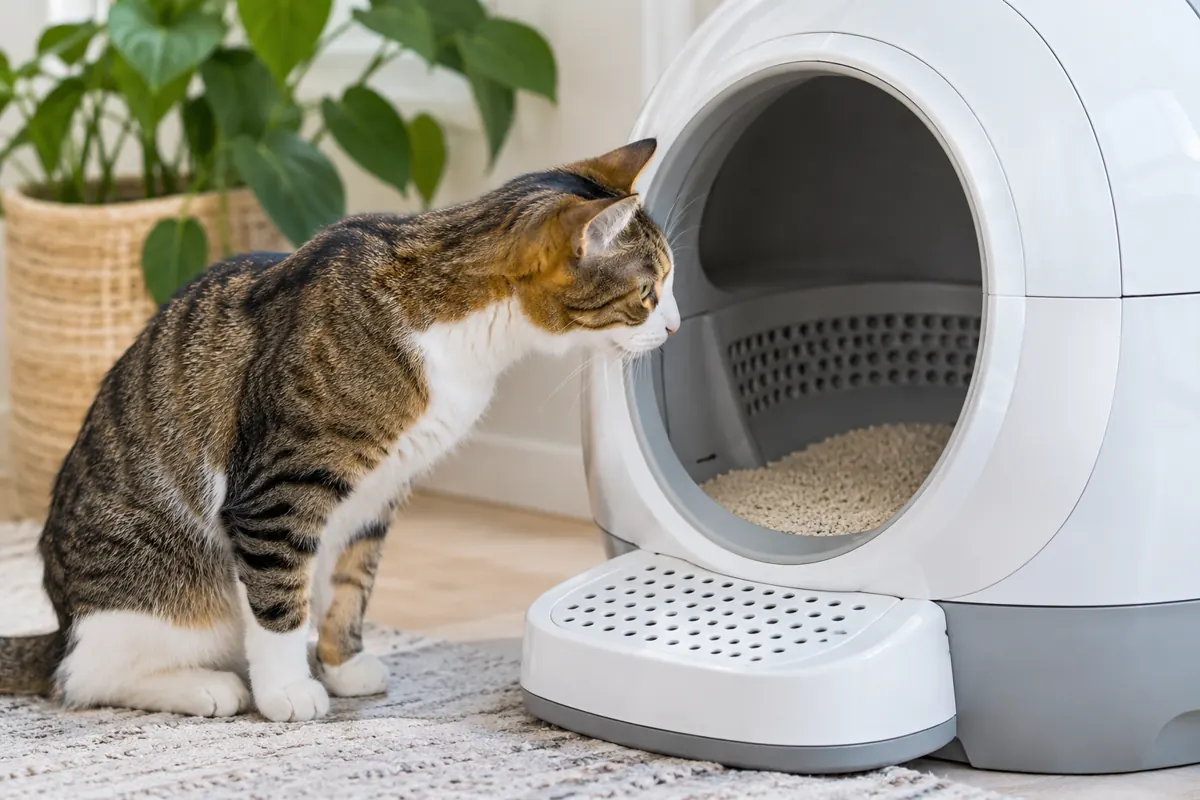
Wondering how to get a cat to use an automatic litter box without upsetting your pet? The safest approach is gradual: preserve the familiar toilet, let your cat explore the new one while it is switched off, and introduce movement only after your cat feels secure.
This practical guide explains how to get a cat to use an automatic litter box step by step, including what to do if your cat refuses and when to call a veterinarian.
Why Some Cats Avoid Automatic Litter Boxes
A self-cleaning litter box may look convenient to us, but to a cat it is a new object with unfamiliar sounds, movement, and smells. Cats often prefer predictable places where they can dig, turn around, and leave without feeling trapped. A sudden replacement can interrupt that routine.
Age, mobility, box dimensions, litter texture, and placement all influence acceptance. An anxious cat may need weeks rather than days. If your pet is easily overstimulated, our guide on how to calm a hyper cat offers additional ways to create a calmer home. Never force a cat into the unit or start a cleaning cycle while the cat is inside.
Step 1: Choose a Safe Location
To understand how to get a cat to use an automatic litter box, begin with its location. Place the new box in a quiet, accessible area away from food, water, loud appliances, and busy hallways. Ideally, put it near the current litter box at first so the cat can investigate without losing access to a familiar toilet.
Check the manufacturer’s minimum age and weight requirements and safety instructions. Some automatic models are unsuitable for small kittens or cats with mobility problems. Ensure the entry is low enough and the interior allows the cat to turn comfortably.
Step 2: Keep the Old Litter Box Available
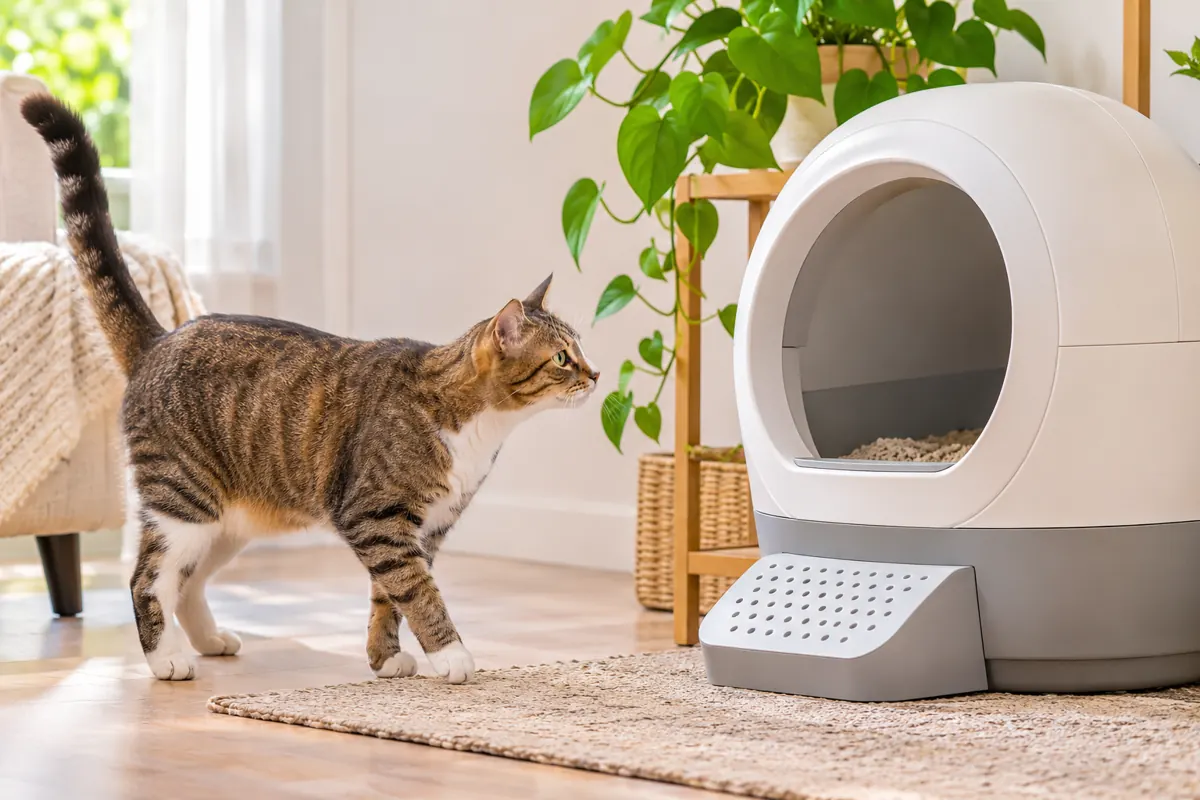
The most important rule for how to get a cat to use an automatic litter box is to avoid taking away the old box overnight. Keep both boxes accessible during the transition. Removing the familiar box too soon may lead to accidents and stress.
Let your cat sniff and explore the new unit freely. Reward curiosity with calm praise, play, or a favorite treat, but do not push or carry the cat into it. Some cats investigate immediately; others need repeated quiet visits.
Step 3: Start with the Machine Turned Off
A key part of how to get a cat to use an automatic litter box is preventing unexpected movement. Leave automatic cleaning disabled for several days, or longer if the cat seems hesitant. A sudden motor sound or moving rake can create a lasting negative association. Allow your cat to treat the new unit like a normal, stationary litter box first.
If the manufacturer permits it, use a small amount of clean, familiar litter from the previous box to make the new one smell recognizable. Follow the machine’s instructions for litter type and fill level; incompatible litter can jam the mechanism.
Step 4: Match Your Cat’s Preferred Litter
When learning how to get a cat to use an automatic litter box, familiar litter is a useful starting point. Cats can be particular about scent and texture. Switching both the box and litter at once introduces two changes, making it harder to tell what bothers your cat. If compatible with the device, begin with the same unscented litter your cat already uses.
Avoid strong deodorizers and scented additives. Scoop and maintain the old box as usual; do not deliberately leave it dirty to force the cat into the new one. A clean alternative is part of a low-stress transition.
Step 5: Reward Voluntary Visits
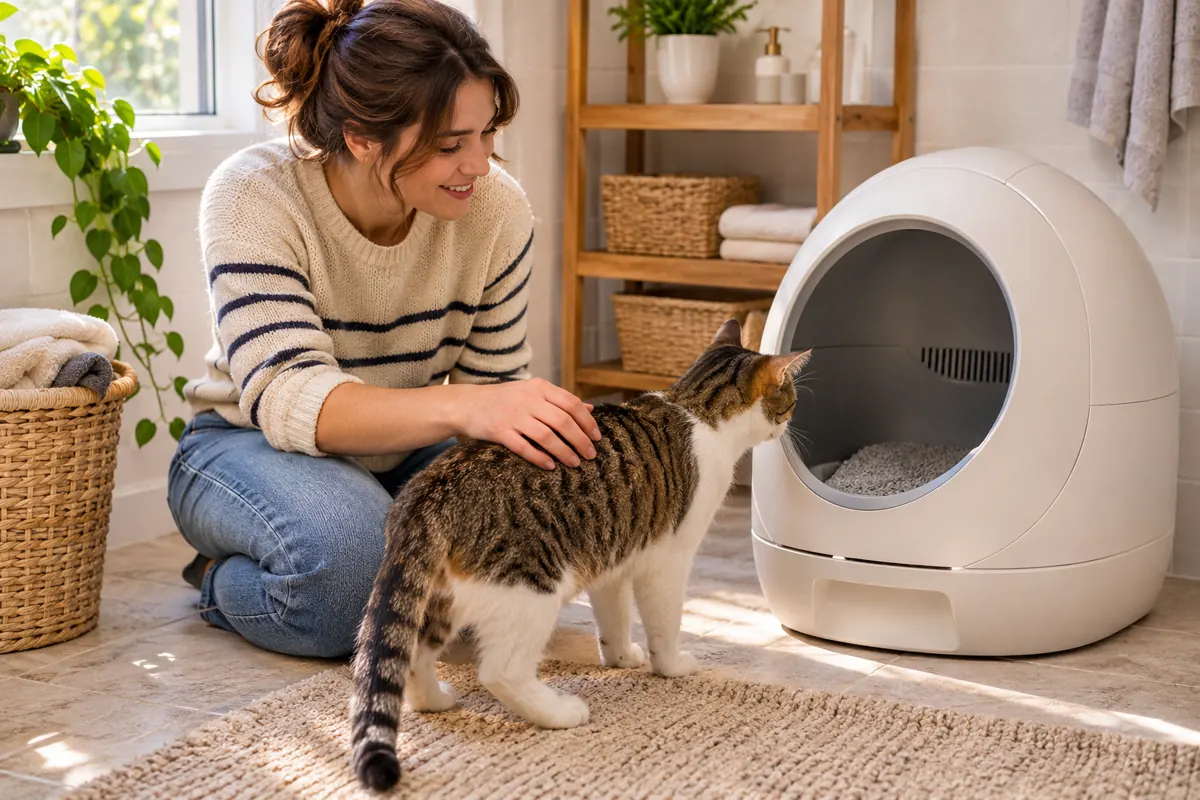
Positive reinforcement helps when figuring out how to get a cat to use an automatic litter box. When your cat approaches, sniffs, steps inside, or uses the new box, offer a small reward afterward. Keep the interaction relaxed and give the cat room to leave. Positive reinforcement works best when it follows a behavior your cat chose voluntarily.
Watch for signs of discomfort such as crouching outside the entrance, repeated approaches without entering, or bolting away. If those appear, slow the process down and return to an earlier step.
Step 6: Introduce Cleaning Cycles Gradually
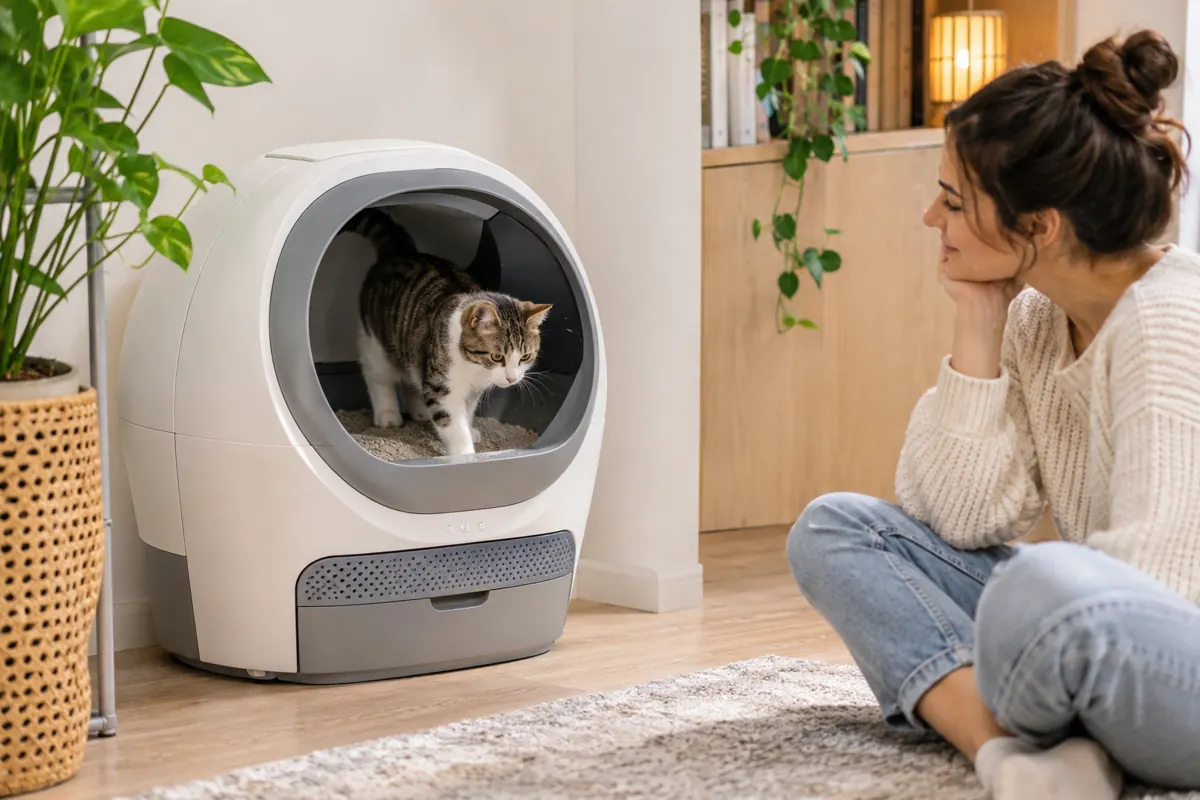
Only enable automatic operation after your cat has used the stationary box comfortably several times. Start with a cleaning cycle when the cat is elsewhere, then let the cat hear the device from a safe distance. Follow the product’s recommended delay and safety settings.
Never bypass safety sensors or use a model that could cycle with an animal inside. If your cat becomes frightened, turn automatic mode off again and rebuild confidence before trying another cycle.
What If Your Cat Still Refuses?
First check practical barriers: a high step, enclosed entrance, noisy motor, insufficient room, or a litter type your cat dislikes. A low step or an open alternative may be more appropriate for senior cats. Some cats simply prefer traditional boxes, and that preference should be respected.
If accidents begin, provide additional ordinary boxes in quiet locations and clean soiled areas with an enzymatic cleaner. Sudden avoidance, straining, frequent attempts to urinate, blood in urine, or little to no urine can signal a medical problem. Contact a veterinarian promptly; inability to pass urine is an emergency. A change in appetite alongside litter-box avoidance also deserves attention; read our guide on what to do when a cat is not eating.
How Many Litter Boxes Should You Have?
A commonly recommended starting point is one litter box per cat plus one extra, placed in separate accessible locations. An automatic box does not necessarily replace every other option. Multiple cats may need different box styles and locations to avoid conflict.
Keep the unit clean according to its instructions, empty the waste drawer regularly, and check that sensors and moving parts work properly. A machine that smells dirty or behaves unpredictably is less likely to be used.
Frequently Asked Questions
How long does the transition take? Some cats adjust within days, while others need several weeks. There is no universal deadline; your cat’s comfort matters more than speed.
Can kittens use automatic litter boxes? Only if the manufacturer explicitly states the model is safe for the kitten’s age and weight. Otherwise, use a traditional box.
Should I remove the old box once the new one is used? Wait until use is consistent and stress-free. Even then, consider retaining a second box, especially in multi-cat homes.
Final Thoughts
Learning how to get a cat to use an automatic litter box is about building trust, not rushing a switch. Place it thoughtfully, keep the old option available, start with the machine off, and reward voluntary exploration. Introduce movement only when your cat is comfortable.
For broader preparation tips, see our new cat owner checklist. For feline behavior and litter-box concerns, the ASPCA litter-box guidance is another useful resource.
Remember: how to get a cat to use an automatic litter box depends on the individual cat. Patience, safe equipment, and a reliable backup box matter more than convenience.