Why Do Cats Hate Water? 7 Surprising Reasons They Avoid Baths
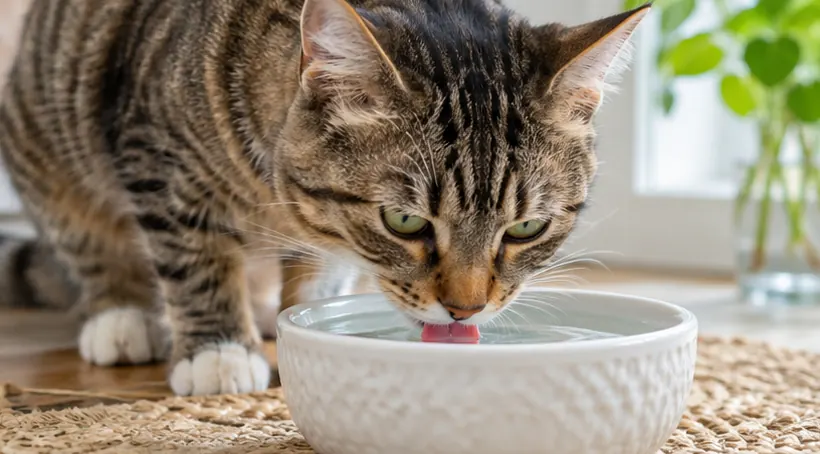
Why do cats hate water? Many cats happily drink from a running faucet yet disappear the moment a bath is prepared. The apparent contradiction makes sense when you distinguish drinking, exploring water, and having the entire coat soaked. Not all cats dislike water, and a cat’s reaction depends on its experiences and the situation.
1. Why Do Cats Hate Water? Wet Fur Feels Different
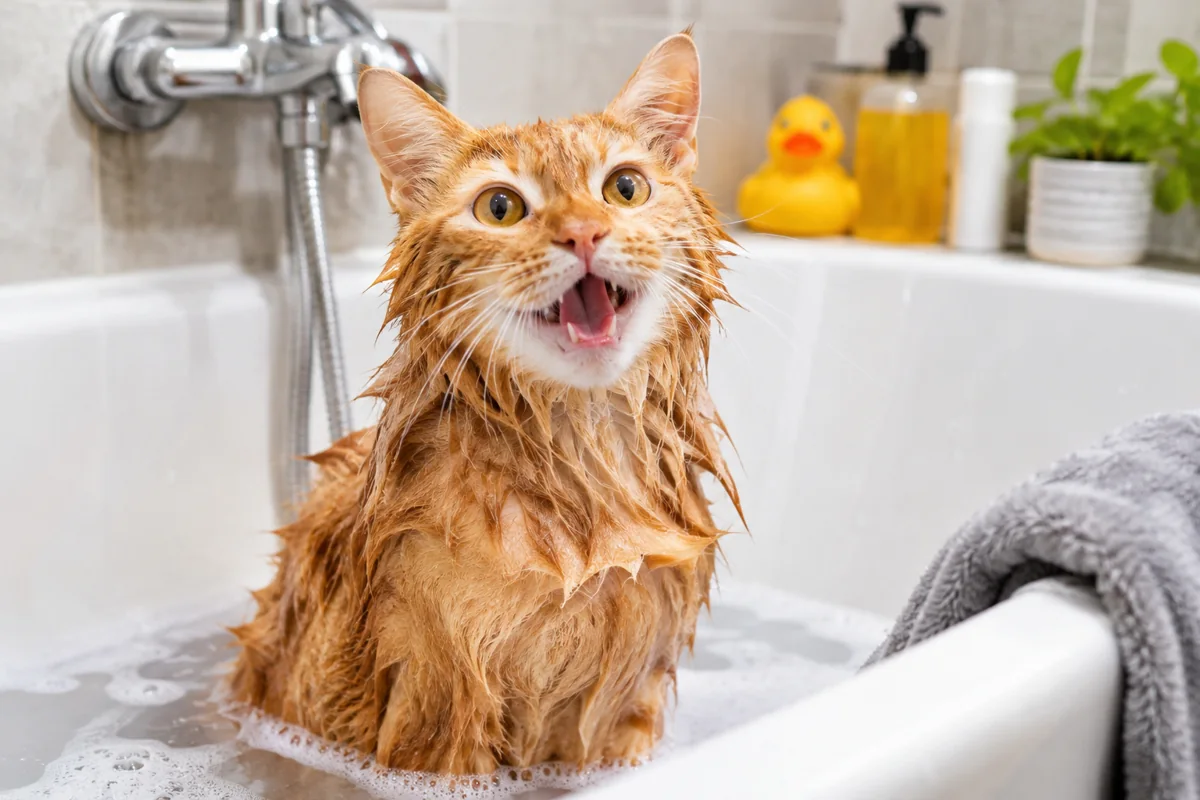
A soaked coat changes the texture and weight of a cat’s fur. Water can flatten the coat and alter the sensation of moving and grooming. A cat accustomed to being dry may find this unfamiliar experience uncomfortable. Wet fur also takes time to dry. The reaction varies with coat type, temperature, and the amount of water involved.
2. Losing Control of the Situation
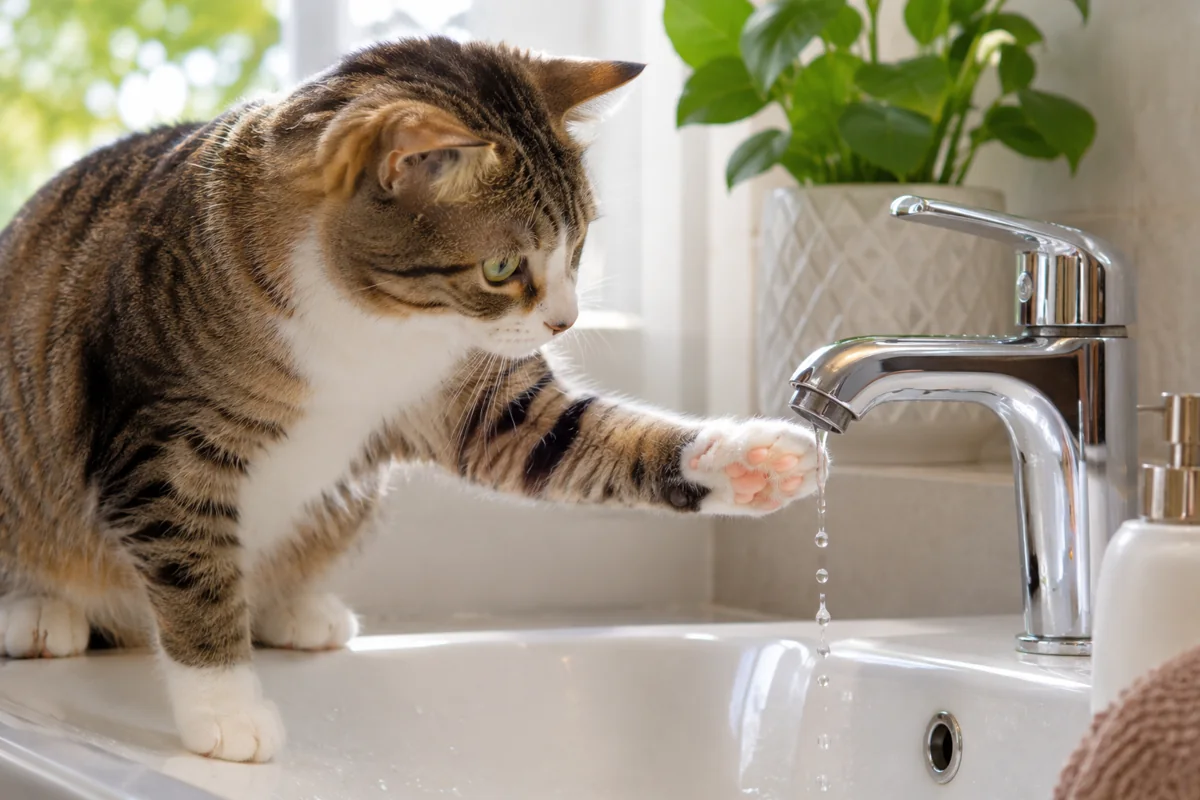
Cats often prefer to approach unfamiliar experiences voluntarily. Being lifted into a bath removes much of that control. A slippery surface, restricted movement, and unfamiliar handling may be more upsetting than water itself. A cat that chooses to touch a dripping faucet may respond very differently when restrained in a tub.
Watch for early signs of discomfort, such as flattened ears, a tense crouch, or attempts to move away. Stop before the situation escalates. A cat that tolerates a damp cloth may still be uncomfortable with a full bath. There is no need to test its tolerance unless cleaning is necessary.
3. Ancestral Habitat and Behavior
The domestic cat descends from wildcats adapted to regions that include relatively dry environments. This background may help explain why swimming is not a routine activity for many domestic cats. It does not establish that every cat has an inherited fear of water. Cats are capable of swimming, and individual experiences can be more important than broad evolutionary explanations.
4. Unfamiliar Sounds and Sensations
Why do cats hate water when a shower is running but tolerate a quiet bowl? The sound of flowing water, splashes, changing temperature, and echoes in a bathroom can create a very different sensory experience. Some cats investigate gentle dripping sounds while avoiding noisy showers. Observe what your cat actually reacts to rather than treating all contact with water as equivalent.
5. Disruption of Familiar Scents
Cats use scent as part of their interaction with the environment. A bath can temporarily alter the familiar smell of their coat, particularly when fragranced products are used. Strong fragrances may also be unpleasant. When bathing is necessary, use a veterinarian-approved cat shampoo and avoid essential oils or products intended for people or dogs unless a veterinarian confirms suitability.
6. Previous Unpleasant Experiences
A frightening bath can influence future reactions to handling and water. Cats may learn to avoid the bathroom, towels, or other cues associated with an unpleasant event. Never chase a cat into a bath or use punishment to make it cooperate. If routine grooming is difficult, seek advice about gradual, reward-based handling or professional grooming.
7. Cats Usually Groom Themselves
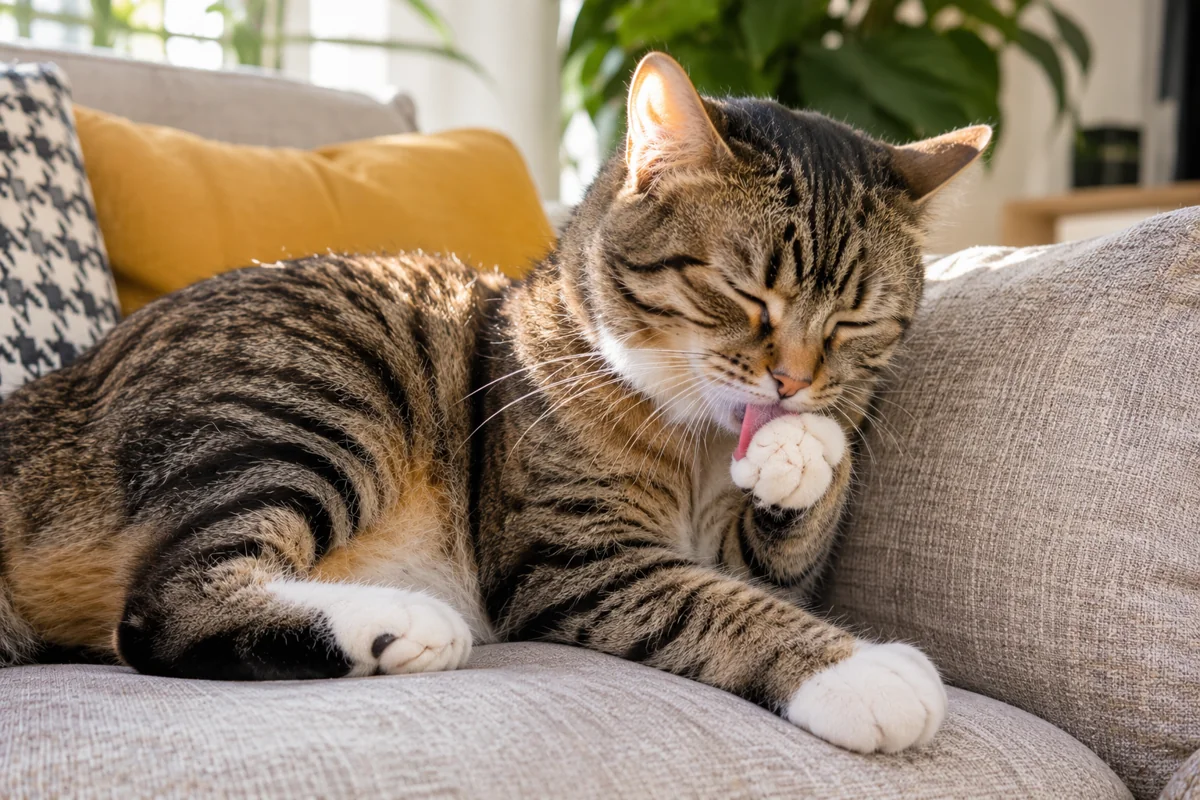
Healthy cats spend time maintaining their own coats with their tongues and paws. Many do not require routine full-body baths. Cats with certain skin conditions, mobility limitations, or contamination may need assistance. Ask a veterinarian about the appropriate approach. If your cat has contacted a potentially toxic substance, obtain urgent professional guidance before attempting to wash it off or allowing grooming.
According to VCA Animal Hospitals, healthy adult cats seldom need bathing, although arthritis, obesity, or skin disease may change their grooming requirements. A greasy or unkempt coat can be a reason to investigate underlying health problems. Cornell University’s feline care guidance also recommends regular brushing to maintain the coat and monitor skin health.
| Situation | Best next step |
|---|---|
| Healthy cat with clean coat | Regular brushing; no routine bath needed |
| Small patch of ordinary dirt | Try a soft damp cloth if tolerated |
| Persistent greasy coat or poor grooming | Arrange a veterinary examination |
| Prescribed skin treatment | Follow the veterinarian’s bathing instructions |
| Possible toxic contamination | Seek urgent veterinary guidance before cleaning |
Do Some Cats Actually Enjoy Water?
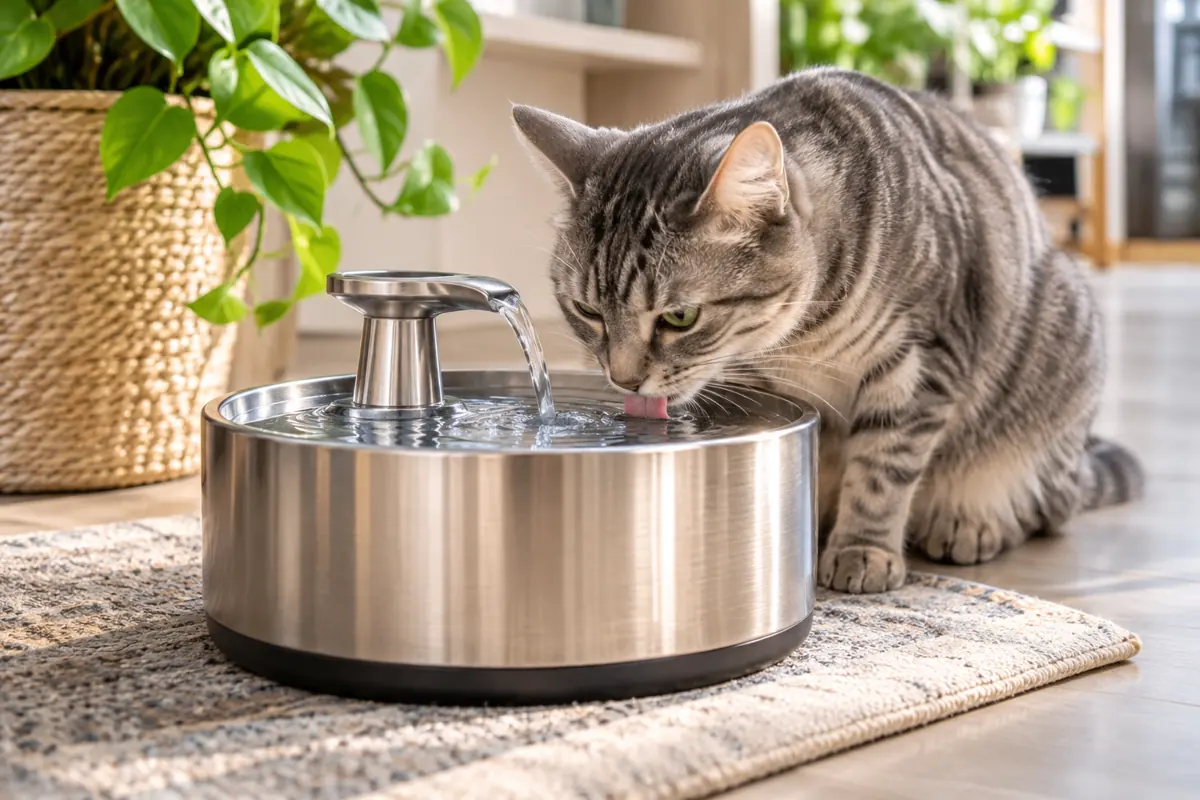
Yes. Individual cats may play with shallow water, investigate fountains, or voluntarily enter water. Breed descriptions sometimes mention water-loving cats, but breed alone cannot predict an individual’s preferences. Let your cat choose whether to explore safe water activities and never test its swimming ability by placing it in deep water. Provide drinking water regardless of its attitude toward bathing.
How to Help a Cat That Needs a Bath
Prepare supplies in advance and use a nonslip surface, comfortably lukewarm water, and gentle handling. Avoid spraying the face or immersing the head. Stop if your cat becomes highly distressed and ask a veterinarian or experienced groomer for help. For ordinary coat care, brushing may be sufficient. Our new cat owner checklist covers other everyday care essentials.
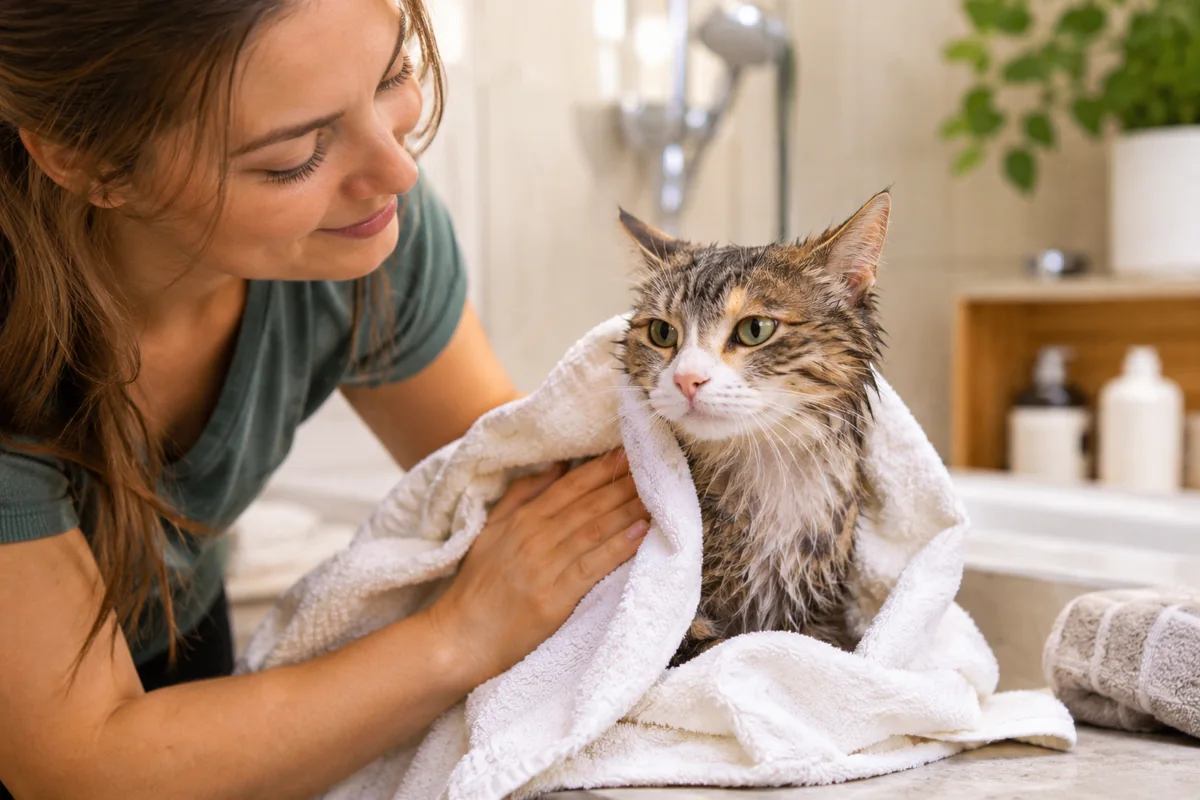
Why do cats hate water even when you try to help? Reduce unnecessary surprises: prepare towels, use a stable surface, and rinse gently with a small cup if your cat tolerates it. Remove all shampoo residue and gently towel-dry your cat in a warm room. For skin conditions, follow the specific medicated bathing instructions provided by your veterinarian. Remember that feline grooming preferences vary, just as litter box behavior varies from one cat to another.
Frequently Asked Questions
Why do cats hate water but drink from faucets?
Voluntary drinking is different from being soaked or restrained.
Why do cats hate water on their paws?
Wet surfaces can feel unfamiliar or slippery, although some cats enjoy touching water.
Why do cats hate water during baths?
Noise, handling, temperature, and loss of control may all contribute.
Final Thoughts
Why do cats hate water? There is no single universal reason. Respect your cat’s preferences, keep drinking water available, and reserve bathing for situations where it is genuinely useful or medically necessary.