The Best Wet Food for Cat Weight Loss: A Complete Guide to Helping Your Feline Friend Shed Pounds Safely
Finding the best wet food for cat weight loss is about more than choosing a low-calorie can. Your cat needs enough essential nutrients while gradually losing excess body fat. A veterinarian can assess body condition, set an appropriate target weight, and help you choose a safe feeding plan.
Wet food can be useful because it contains plenty of moisture and is easy to portion by the can or pouch. However, wet food is not automatically lower in calories than dry food, and no brand guarantees weight loss. This guide explains how to compare labels and protect your cat’s health.
What Makes a Good Weight-Loss Wet Food?
The best wet food for cat weight loss is one your cat will eat consistently, that supplies complete nutrition at the recommended portion, and that fits your veterinarian’s plan. The right choice depends on your cat’s age, health, current weight, and appetite.
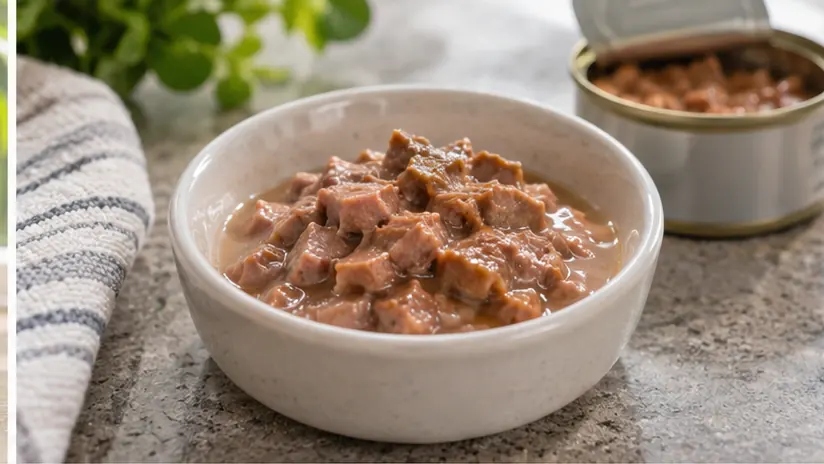
- Calories per serving: Read the kcal per can or pouch, not just the suggested feeding quantity.
- Nutritional adequacy: Look for a complete-and-balanced statement appropriate to the cat’s life stage, or follow veterinary instructions for a therapeutic diet.
- Protein and other nutrients: Weight loss should preserve muscle and adequate nutrition. Ask your veterinary team whether the formula is suitable at the planned calorie intake.
- Palatability: A cat that refuses its new food needs prompt attention, not more severe restriction.
- Reliable manufacturer information: Ask about nutrient analysis, formulation expertise, and quality control.
The World Small Animal Veterinary Association (WSAVA) provides practical nutrition guidance. Ingredients such as grains or by-products do not, by themselves, prove that a food is poor quality.
How to Compare Wet Cat Foods
When searching for the best wet food for cat weight loss, compare the specific recipe and can size, not just the brand name. Product formulations and calories can change, so avoid relying on outdated online comparison tables.
- Record the exact food name, flavor, and package size.
- Check the calories for the amount you actually plan to feed.
- Confirm whether it is a complete diet or a supplemental food.
- Ask whether a veterinary therapeutic weight-management diet is indicated.
- Compare the daily cost of the prescribed portion, rather than price per can alone.
The FDA explains the meaning of “complete and balanced” on pet food labels. A prescription product intended for a medical condition should be used only with veterinary guidance.
Create a Safe Feeding Plan
Before changing food, have your veterinarian determine a realistic target weight and starting calorie allowance. A universal “calories per pound” formula can be misleading because body condition, age, neuter status, activity, and medical conditions vary.
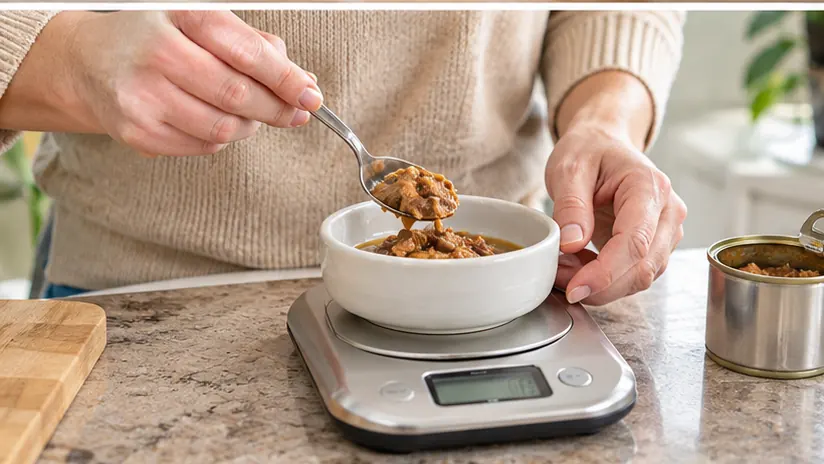
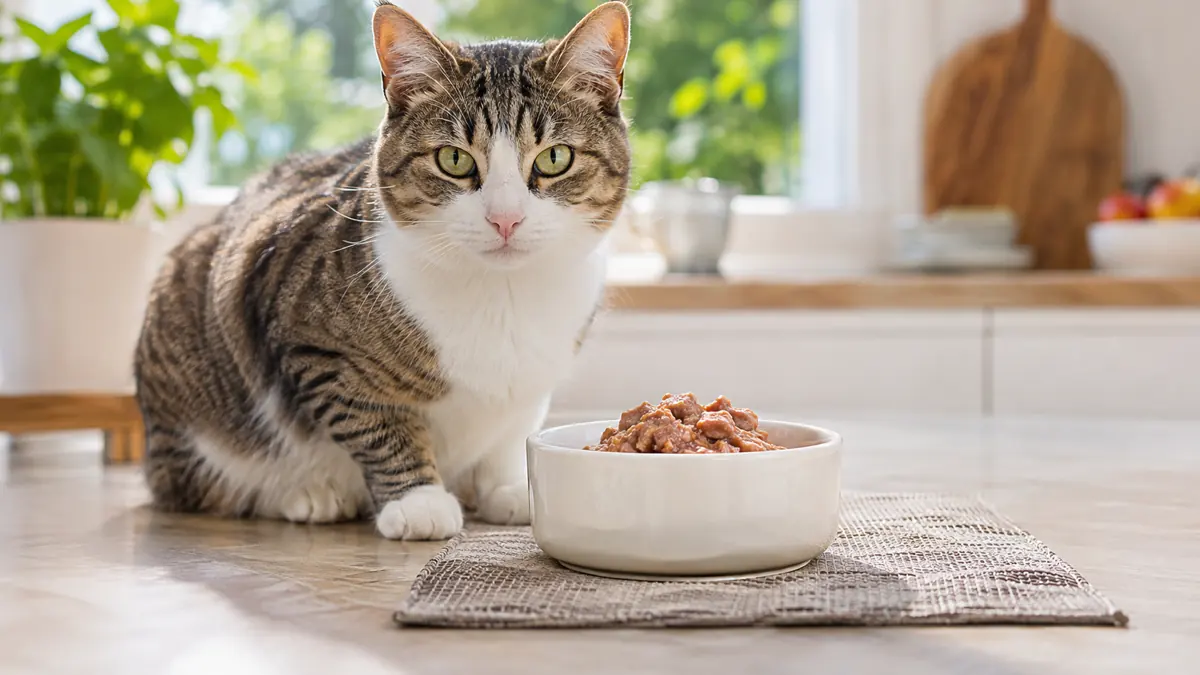
To use the best wet food for cat weight loss effectively, measure each portion, count treats, and make sure everyone in the household follows the same schedule. Feeding separate meals may help in multi-cat homes where one cat steals another’s food.
- Transition gradually: Introduce the new food over several days if your cat tolerates it; ask your veterinarian for a different plan if appetite drops.
- Keep fresh water available: Wet food contributes moisture but does not replace access to drinking water.
- Encourage play: Short, enjoyable sessions with interactive toys can support activity without overexertion.
- Use measured treats: Include every treat in the daily calorie budget.
Common Mistakes to Avoid
Even the best wet food for cat weight loss will not help if portions are too large, extra snacks are uncounted, or the cat eats another pet’s food. Equally important, severe calorie restriction can be dangerous.
- Do not crash-diet: Rapid weight loss or inadequate intake can contribute to hepatic lipidosis, a serious liver condition.
- Do not force a food change: If your cat refuses food or eats substantially less than usual, contact a veterinarian promptly.
- Do not rely on “grain-free” or “premium” claims: Marketing labels do not establish weight-loss effectiveness.
- Do not change portions impulsively: Review weight trends with your veterinary team before adjusting calories.
The Merck Veterinary Manual’s overview of feline hepatic lipidosis explains why inadequate food intake is a serious concern. For more guidance if appetite changes, read our cat not eating guide.
Special Considerations
The best wet food for cat weight loss is not necessarily the same for every pet. Senior cats may need additional attention to muscle mass and underlying disease. Cats with diabetes require careful coordination of diet and medication. A cat with kidney disease, digestive problems, or food allergies may need a different nutritional approach.
For multi-cat households, consider separate feeding rooms or a microchip feeder so each pet receives the intended portion. In any case, avoid assuming that an “indoor cat” label automatically means a food is suitable for weight loss.
When to Ask Your Veterinarian
Ask your veterinarian to evaluate your cat before beginning a diet, especially if weight gain was sudden, appetite has changed, or your cat has a medical condition. A clinical exam and body-condition assessment can help establish a safer plan.
Your veterinarian can also help decide whether the best wet food for cat weight loss is an over-the-counter complete diet or a purpose-made therapeutic formula. Some therapeutic diets are designed to maintain adequate nutrient intake even when calories are restricted.
Tracking Progress
Record your cat’s starting weight and weigh it at intervals recommended by your veterinarian, using the same scale when possible. A commonly discussed supervised target is roughly 0.5–2% of body weight per week, but the appropriate rate is individual. A veterinary review of feline obesity management discusses gradual weight reduction and monitoring.
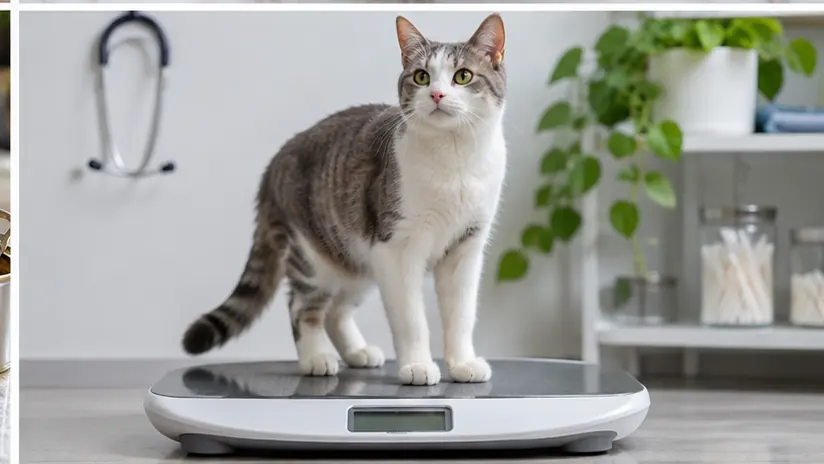
Alongside weight, note appetite, activity, stool quality, and body condition. Contact your veterinarian if your cat becomes lethargic, vomits repeatedly, refuses food, or loses weight unexpectedly quickly. Once the target is reached, a maintenance plan and periodic weigh-ins help reduce the chance of regain.
Frequently Asked Questions
Is wet food better than dry food for weight loss?
Not necessarily. Some wet foods make portion control easier and add moisture, but weight loss depends on total calories, nutritional adequacy, and consistent feeding.
How much wet food should I feed my overweight cat?
The number of cans depends on the food’s calories and your cat’s veterinary calorie target. Do not use a generic number of cans for every cat.
What if my cat will not eat the new food?
Do not let your cat go without adequate food while trying to enforce a diet. Contact your veterinarian promptly for advice, especially if your cat is overweight or has another health condition.
Final Thoughts
Choosing the best wet food for cat weight loss starts with the right nutritional plan, not a top-ten product list. Check current labels, measure portions, encourage appropriate activity, and follow your veterinarian’s advice. For general feeding and care basics, see our new cat owner checklist.