Separation Anxiety in Dogs: Home Remedies That Really Help
Separation anxiety in dogs home remedies work best as part of a gradual, compassionate plan that helps your dog feel safer when alone. Start with brief, manageable absences and seek professional help if your dog shows intense distress.
Leaving your dog alone shouldn’t feel like you’re breaking their heart.
Yet for many owners, it does.
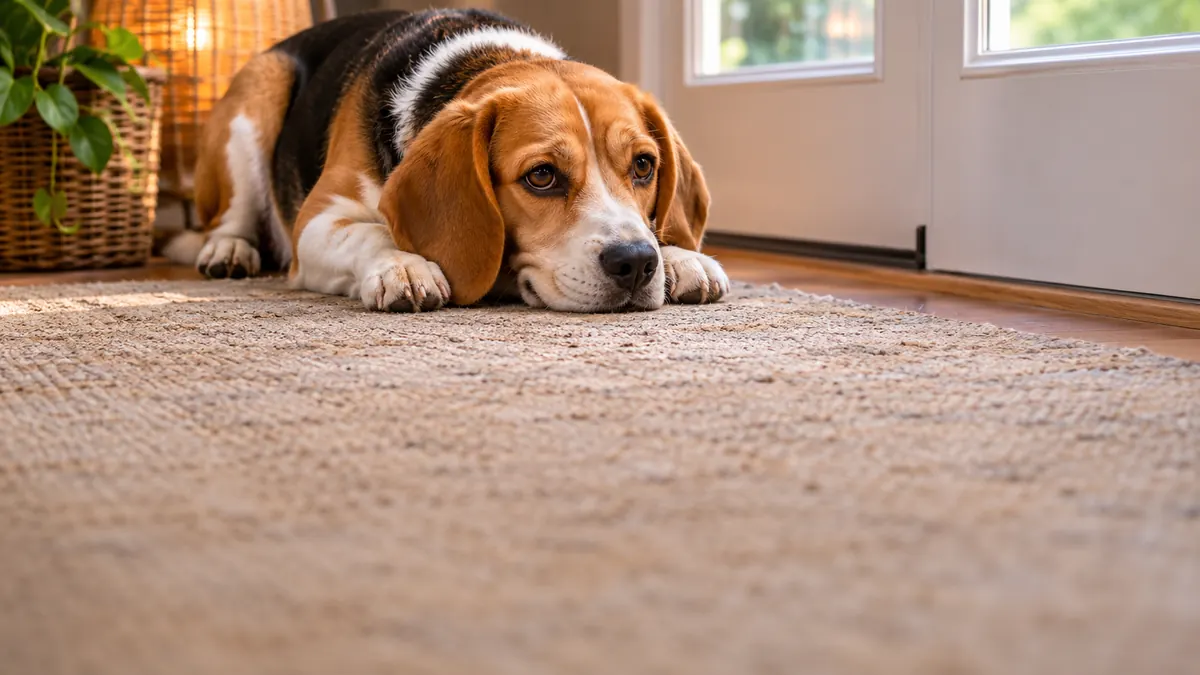
Some dogs show distress by pacing, vocalizing, scratching doors, or damaging objects during absences. These behaviors are not signs of spite; they may indicate fear or anxiety.
That’s the reality of separation anxiety.
The good news? With the right approach, you can reduce anxiety naturally and safely using proven separation anxiety in dogs home remedies—no guesswork, no harsh methods.
If you’re struggling, these separation anxiety in dogs home remedies can help your dog feel calmer and more secure when left alone.
What Is Separation Anxiety in Dogs?
Separation anxiety in dogs is a stress condition where a dog experiences panic when left alone, often showing behaviors like barking, destruction, or restlessness. It can be managed with gradual training, environmental changes, and calming home remedies.
These separation anxiety in dogs home remedies focus on building your dog’s confidence over time.
Why You Should Take It Seriously
Separation anxiety isn’t just inconvenient—it affects your dog’s mental health.
Research-backed insight:
Studies in veterinary behavior show that dogs with untreated anxiety can develop:
- Chronic stress
- Increased destructive behavior
- Reduced quality of life
👉 This is why early, gentle intervention matters.
What Causes Separation Anxiety?
Understanding the root cause helps you fix the problem—not just the symptoms.
Most common causes:
- Sudden schedule changes (e.g., returning to work)
- Adoption or rehoming
- Moving to a new environment
- Loss of a companion
- Lack of mental and physical stimulation
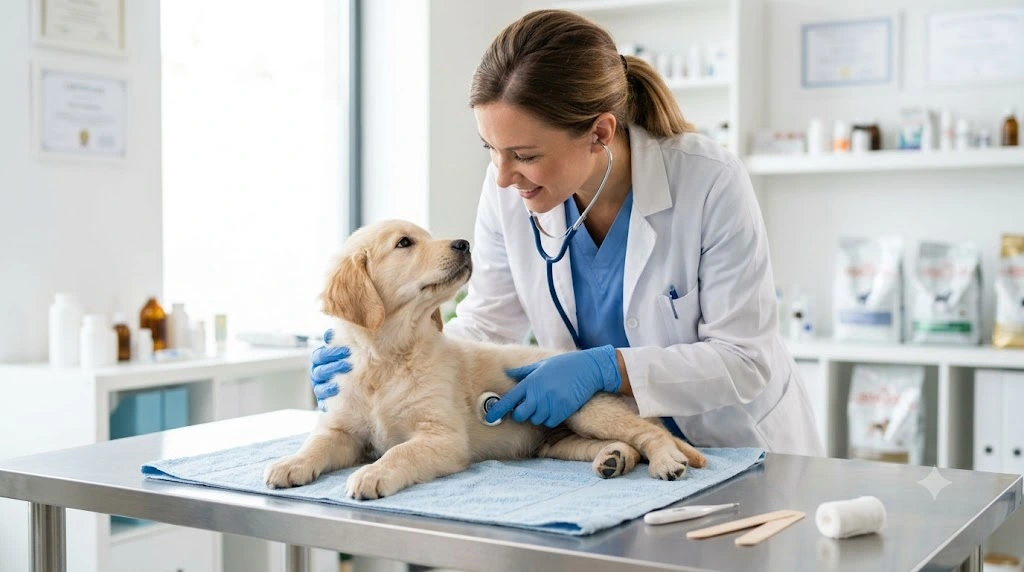
Changes in routine can contribute, but separation-related behaviors may have several causes. A veterinarian can help rule out medical problems and other behavioral triggers.
Proven Separation Anxiety in Dogs Home Remedies
Use the following practical steps alongside veterinary guidance. Progress varies by dog, and training should stay below the point of distress.
When to Use Separation Anxiety in Dogs Home Remedies
These separation anxiety in dogs home remedies are most effective when applied consistently and early.
1. Build a Safe, Familiar Environment
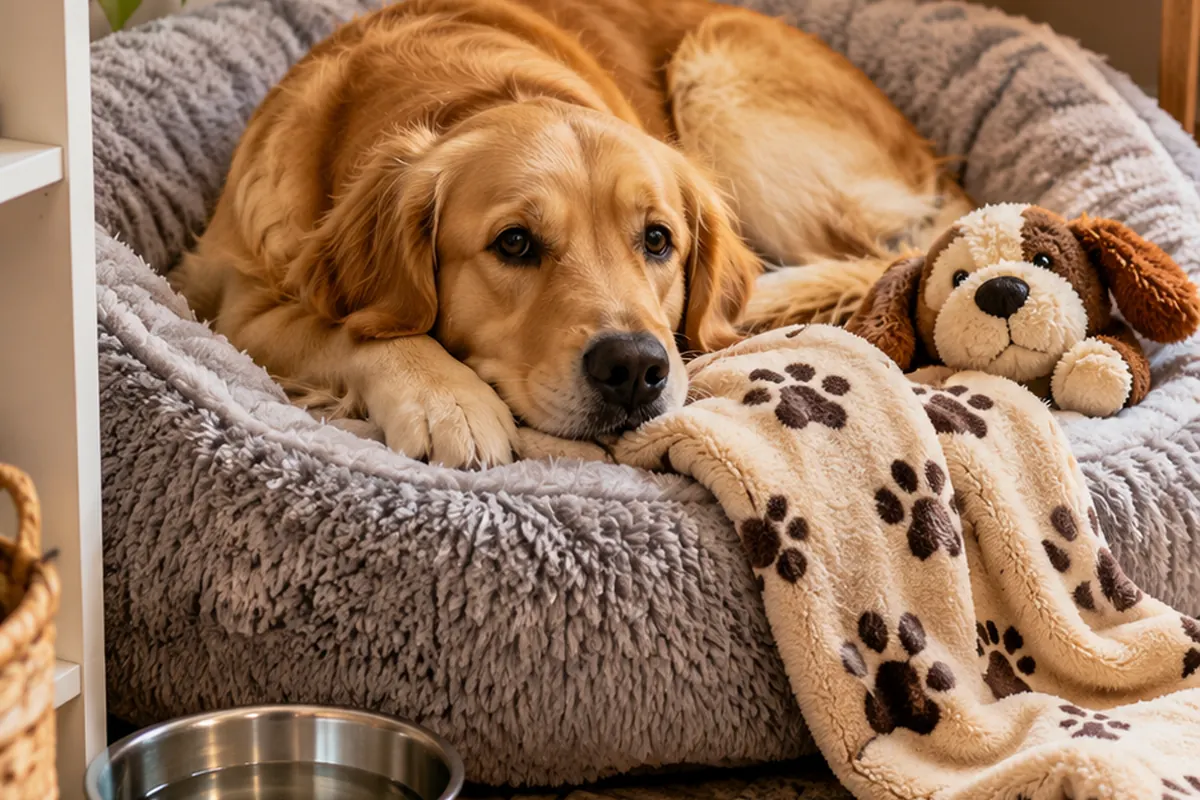
Dogs need a place that feels secure when you’re gone.
What works best:
- A consistent resting area (bed or crate if trained properly)
- Familiar scents (your clothing helps)
- Limited space to reduce overstimulation
Safety note: Choose a space where your dog already rests comfortably. Never force a distressed dog into a crate or confined area; confinement can worsen panic or lead to injury.
2. Gradual Desensitization (Expert-Recommended)
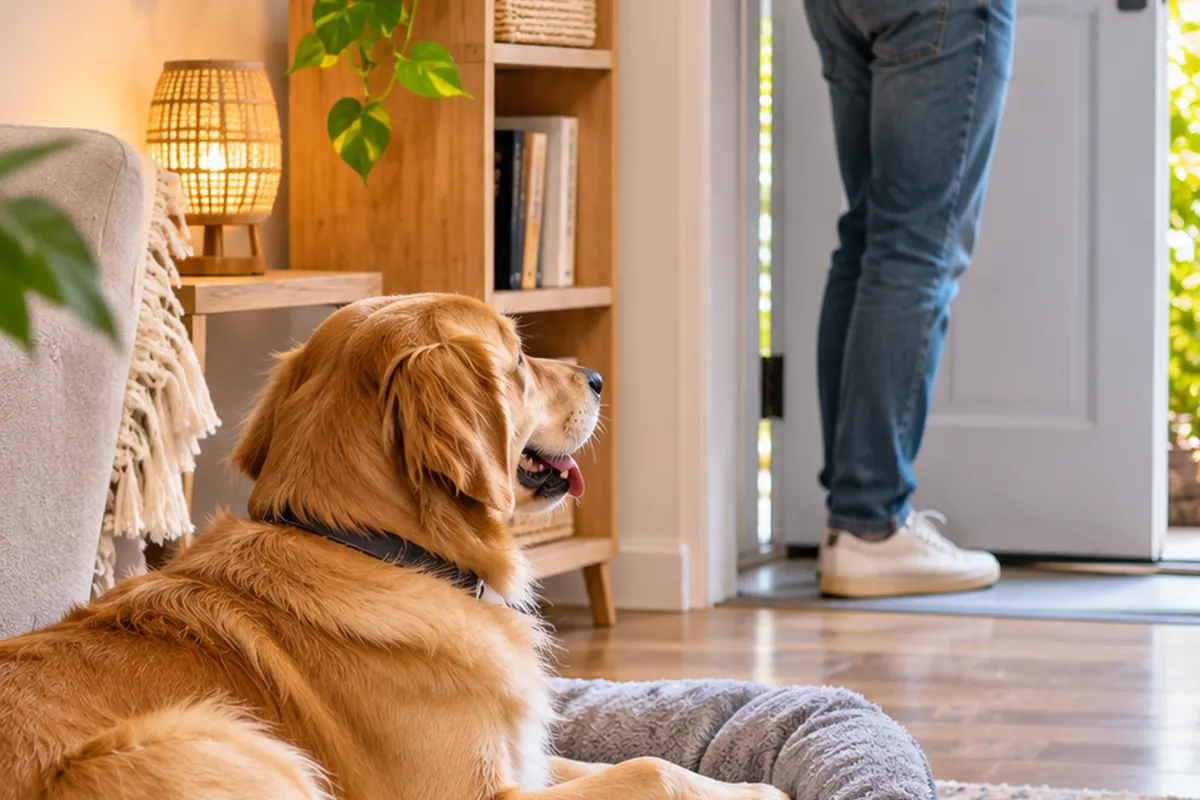
This is one of the most effective, science-backed methods.
How to do it properly:
- Start with a few seconds—or less if necessary—while your dog remains comfortable
- Return calmly
- Repeat daily
- Increase duration slowly
Important: Begin with an absence short enough that your dog stays relaxed—even a second or two. Return before distress starts. If your dog panics, shorten the next practice session and ask a qualified professional for help.
3. Mental Enrichment Is Essential
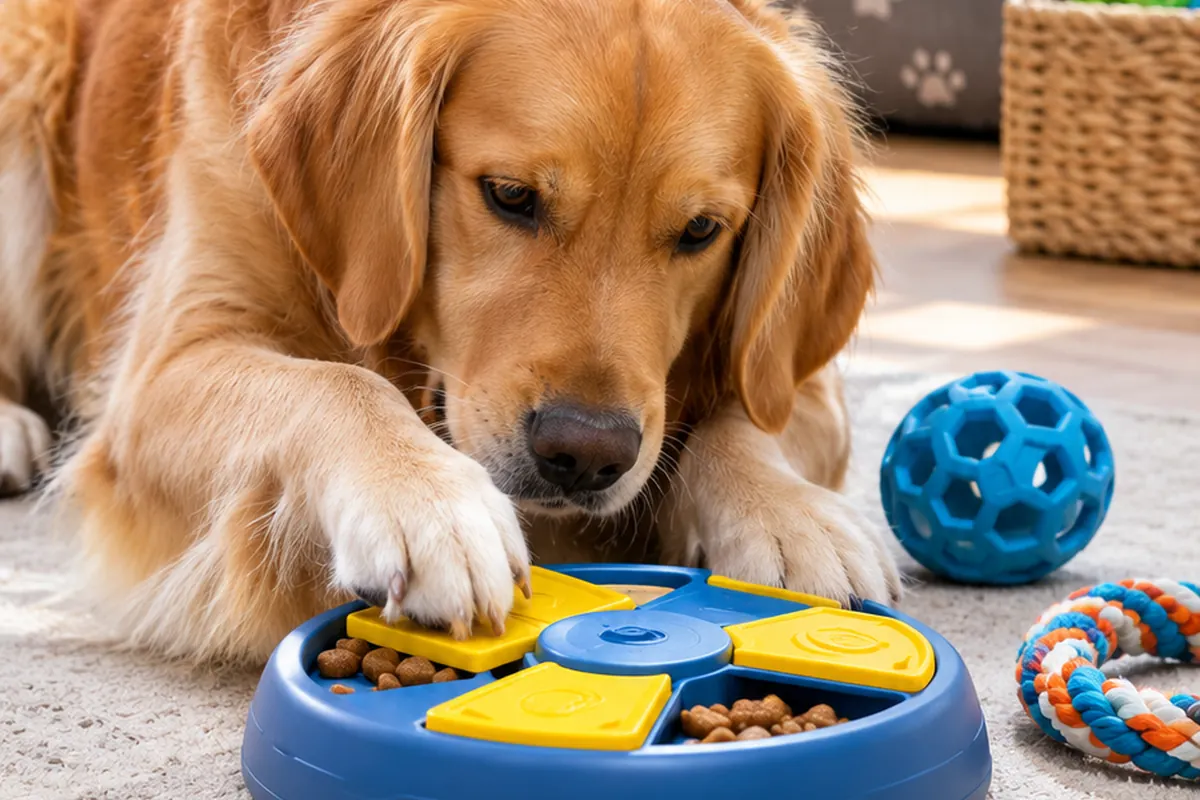
A mentally engaged dog is less likely to panic.
Examples:
- Food puzzle toys
- Frozen treat toys
- Hidden treats around the house
Practical tip: Offer food puzzles during supervised practice first. Some anxious dogs will not eat when left alone, so enrichment should support—not replace—gradual behavior training.
4. Exercise Before Leaving (Backed by Behaviorists)
Appropriate daily exercise and sniffing opportunities support general well-being, but exercise alone does not treat separation anxiety.
Ideal routine:
- 20–30 minute walk
- Short play session
- Calm cool-down period
Important:
Don’t leave immediately after intense play—allow your dog to relax first.
5. Control Your Departures and Arrivals
Dogs read your emotional cues.
Best practice:
- Leave quietly (no long goodbyes)
- Return calmly (avoid overstimulation)
Why this matters: Keep departures predictable and low-pressure, but remember that calm goodbyes alone will not resolve clinical separation anxiety.
6. Use Background Sound
Environmental enrichment can reduce feelings of isolation.
Safe options:
- TV or radio
- Calming dog playlists
- White noise
Note: Soft background sound may help mask outside noises for some dogs, but evidence is limited and it is not a substitute for behavior treatment.
7. Natural Calming Remedies (Vet-Advised)
For some dogs, additional support helps.
Options:
- Veterinarian-approved calming aids, when appropriate
- Dog-safe pheromone diffusers
- Discuss any supplement or medication with your veterinarian; do not self-medicate with CBD or human sedatives
Safety: Supplements have variable evidence and may interact with medications. Ask your veterinarian about evidence-based treatment, especially if your dog shows panic, self-injury, or escape attempts.
8. Consistent Daily Routine
Consistency builds confidence.
Keep stable:
- Feeding times
- Walk schedules
- Sleep routine
Why it may help: A predictable routine can make daily life easier, although separation anxiety is not simply caused by uncertainty.
Additional Tips for Building Confidence
These practical habits can complement a veterinarian-guided behavior plan:
✔ Teach independence daily
Practice brief, positive moments of independence while you are home. Do not withhold comfort from a frightened dog.
- Encourage solo play
- Reward voluntary relaxation and comfortable independent activity
✔ Reinforce calm behavior
Reward your dog when they are relaxed—not just when they seek attention.
✔ Avoid emotional extremes
Balance is key. Calm energy = calm dog.
Common Mistakes to Avoid
Avoiding these mistakes is just as important as applying the right solutions.
❌ Punishing anxious behavior
This increases fear and damages trust.
❌ Leaving your dog too long too soon
Progress must be gradual.
❌ Overdependence
Closeness to an owner does not, by itself, cause separation anxiety. Focus on safe, gradual practice rather than avoiding affection.
❌ Ignoring early signs
Early intervention leads to faster results.
FAQ: Separation Anxiety in Dogs Home Remedies
1. What is the fastest way to calm separation anxiety in dogs?
There is no reliable instant fix. Start with departures short enough to avoid panic, provide supportive enrichment, and seek veterinary or qualified behavior support when needed.
2. Are home remedies enough?
Supportive home strategies may help mild cases, but persistent or severe separation anxiety often requires an individualized behavior plan and sometimes veterinarian-prescribed medication.
3. Can dogs recover completely?
Many dogs improve significantly and live normal, calm lives with consistent training.
4. Should I use a crate?
Only if your dog is crate-trained positively. Otherwise, it may increase anxiety.
5. When should I see a vet?
If your dog:
- Injures themselves
- Tries to escape
- Shows extreme panic
By following these separation anxiety in dogs home remedies, you’re helping your dog feel safe and confident.
Conclusion: Real Change Takes Consistency
There’s no instant fix for separation anxiety—but there is a clear path forward.
Using these separation anxiety in dogs home remedies, you can:
- Build your dog’s confidence
- Reduce stress naturally
- Create a calmer home environment
Start small. Stay consistent.
👉 Take Action Today
Choose one method from this guide and apply it today—whether it’s a short training session or adding a puzzle toy.
Because for your dog, every small step you take…
feels like safety returning.
For related guidance, explore Reactive Dog Training and The Complete Guide to Dog Care.
A Gentle At-Home Separation Training Plan
Begin with absences so short that your dog stays comfortable. Pick up keys, step toward the door, or leave for a few seconds, then return calmly. Increase duration gradually only while your dog remains relaxed. Use a camera if possible to observe signs such as pacing, howling, drooling, or attempts to escape.
Severe separation distress is not disobedience. Avoid punishment or forcing long absences as a training method. If your dog panics, injures itself, or cannot settle, consult your veterinarian and a qualified behavior professional. Some dogs benefit from a combined behavior and medical plan.
Veterinary Guidance and Further Reading
For evidence-based guidance, consult the ASPCA guide to separation anxiety and the Merck Veterinary Manual on behavior problems in dogs. If your dog shows persistent distress, speak with your veterinarian or a qualified veterinary behavior professional. For other daily activities, explore our indoor dog enrichment ideas and complete dog care guide.