Why Is My Cat Drinking So Much Water? 7 Causes and When to Worry
Why is my cat drinking so much water? A noticeable change in thirst can be harmless, but it can also signal a condition that needs veterinary attention. This practical guide explains seven possible causes, what to monitor at home, and when to get help.
Why Is My Cat Drinking So Much Water?
If you are asking why is my cat drinking so much water, the first step is to notice whether the change is real and persistent. A cat that switches from wet food to dry food may drink more from the bowl because wet food supplies substantial moisture. Warm weather, activity, and a new water fountain can also change drinking habits. However, noticeably increased thirst—especially alongside more frequent urination—can be a sign of illness. Do not restrict water while you investigate. Keep fresh water available and contact your veterinarian if the increase is unexplained.
7 Reasons Your Cat May Be Drinking More Water
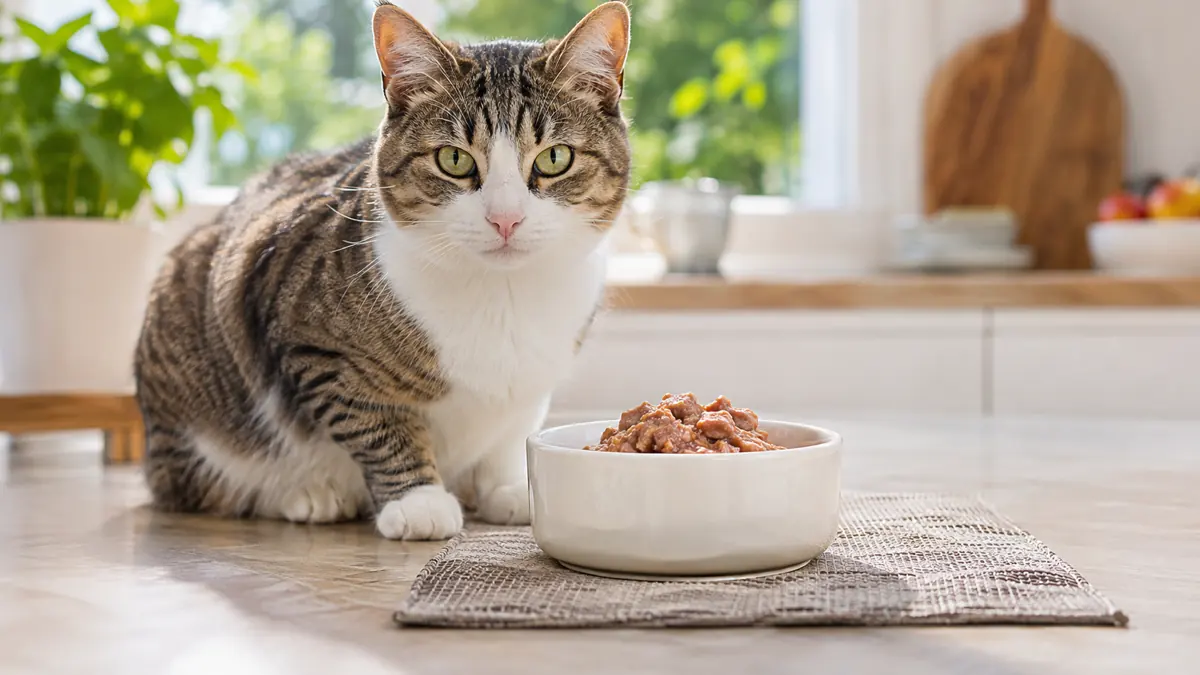
1. A change in diet. Dry kibble contains much less moisture than canned food. A cat eating more dry food may compensate by drinking more. Check whether you recently changed brands, feeding amounts, or treats.
2. Heat or increased activity. Cats may drink more in warm conditions or after play. Offer cool, clean water and a comfortable place to rest; excessive panting, weakness, or distress requires urgent veterinary attention.
3. Kidney disease. Chronic kidney disease can interfere with the kidneys’ ability to conserve water. Cats may produce larger amounts of dilute urine and drink more to compensate. Weight loss, reduced appetite, and vomiting can also occur.
4. Diabetes mellitus. High blood glucose can lead to increased urination and thirst. Some cats also lose weight despite a good appetite. A veterinarian can investigate with blood and urine tests.
5. Hyperthyroidism. An overactive thyroid is more common in older cats. Increased appetite, weight loss, restlessness, and increased drinking may occur together.
6. Medications or medical treatment. Certain medications, including corticosteroids and some diuretics, may affect thirst or urination. Never stop a prescribed medication without veterinary guidance.
7. Urinary or other health problems. Some conditions can change drinking and litter-box habits. Straining to urinate, repeated trips to the litter box with little or no urine, or signs of pain need prompt veterinary assessment; inability to pass urine is an emergency.
Quick Comparison: Causes and Warning Signs
| Possible cause | Clues you might notice | Recommended action |
|---|---|---|
| Switch to dry food | More bowl drinking after a diet change; otherwise normal behavior | Track intake and discuss persistent changes |
| Warm weather | Higher temperatures or recent activity | Provide water and a cool resting area |
| Kidney disease | More urine, weight loss, appetite changes | Arrange a veterinary examination |
| Diabetes | More thirst and urination, sometimes weight loss | Book a veterinary appointment promptly |
| Hyperthyroidism | Weight loss, increased appetite, restlessness | Request veterinary evaluation |
| Urinary obstruction | Straining with little or no urine, pain, distress | Seek emergency veterinary care |
This table helps you recognize patterns; it cannot diagnose the cause. Different illnesses can produce similar signs, so your veterinarian may recommend bloodwork, urinalysis, and other tests.
How to Measure How Much Water Your Cat Drinks
When owners wonder why is my cat drinking so much water, a simple daily record can help. Measure the water you put in each bowl or fountain at the same time each day, then estimate what remains after 24 hours. Account for spills, evaporation, other pets, and refills. Record the type of food your cat eats, appetite, body weight if available, and changes in litter-box output.
As a broad reference, a cat’s total daily water intake from both food and drinking is often estimated around 40–60 mL per kilogram of body weight, but individual needs vary. This is not a home diagnostic cutoff, and bowl measurements do not capture water consumed in wet food. A veterinarian should interpret your observations in context.
For example, a 4 kg cat may obtain a substantial part of its daily moisture from canned food, while a similarly sized cat on dry food may drink noticeably more. Focus on a sustained change from your own cat’s usual pattern rather than comparing bowls between cats.
When Should You Call the Vet?
Contact your veterinarian when drinking or urination rises noticeably without an obvious explanation, especially if the change lasts more than a day or is accompanied by weight loss, vomiting, lethargy, appetite changes, or accidents outside the litter box. Older cats deserve particular attention because kidney disease, diabetes, and hyperthyroidism become more common with age.
Seek urgent care if your cat is weak, collapses, repeatedly vomits, or appears severely ill. If a cat is repeatedly straining to urinate and producing little or no urine, seek emergency veterinary care immediately. This is especially important for male cats, who can develop a life-threatening urinary blockage.
Do not withhold water to test whether your cat is thirsty. Water restriction can worsen dehydration and does not reveal the cause.
What Tests Might Your Veterinarian Recommend?
Your veterinarian will ask about diet, medications, appetite, body weight, and how often the litter box needs cleaning. A physical examination may be followed by blood tests to evaluate kidney function, blood glucose, and sometimes thyroid hormone levels. Urinalysis helps assess urine concentration and screen for other abnormalities. Depending on findings, a urine culture, blood pressure measurement, or imaging may be recommended.
Bring a short log of water intake and urination if you have one. If your cat is difficult to observe because several pets share a fountain, explain that limitation instead of guessing at an exact volume. Early evaluation can help identify treatable problems and establish a useful baseline.

What You Can Safely Do at Home
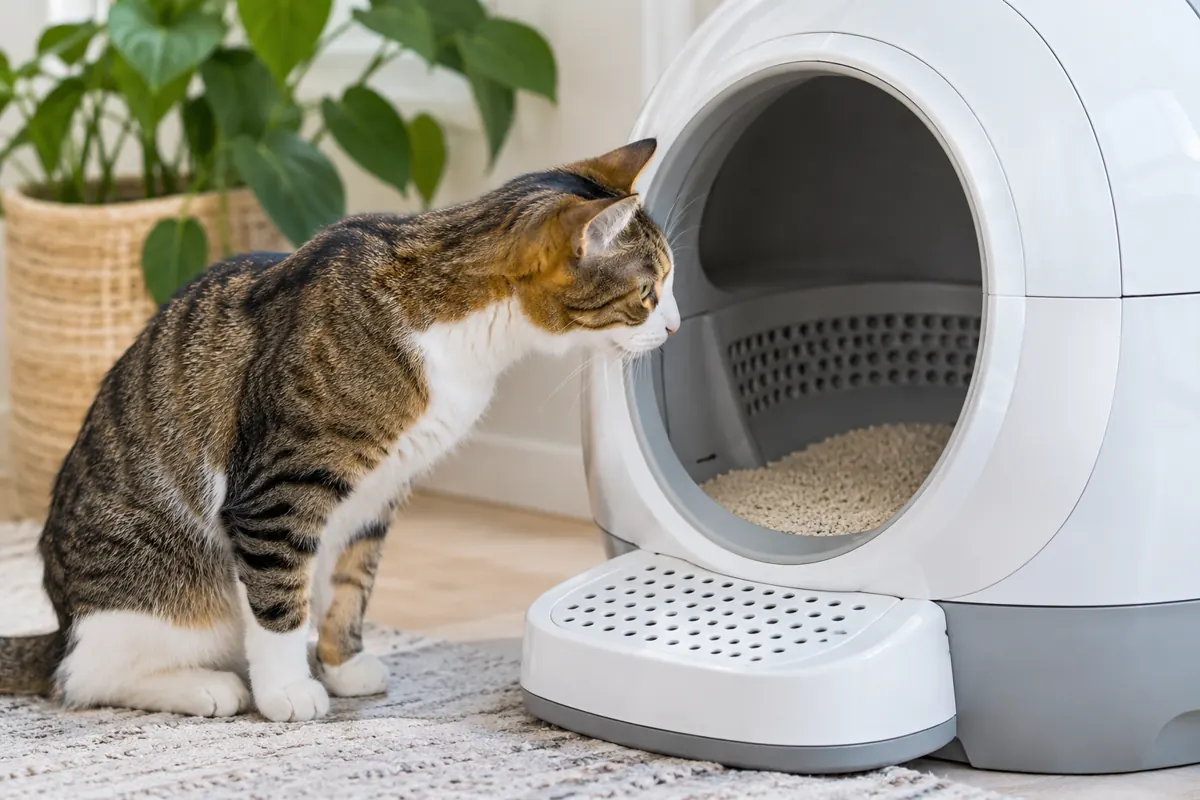
Keep several clean water sources available, especially in multi-cat homes. Wash bowls regularly, and maintain fountains according to their instructions. Continue feeding a complete and balanced diet; do not abruptly change to a special kidney or diabetic diet without veterinary advice. Monitor the litter box for larger clumps, more frequent urination, or straining.
Never give human medications or supplements to reduce thirst. If your cat also refuses food, see our guide on what to do when a cat is not eating. For practical hydration routines, read how often to clean a cat water fountain.
Frequently Asked Questions
Is drinking a lot of water always a sign of kidney disease?
No. A diet change, warm weather, medications, diabetes, and other factors can also increase thirst. Kidney disease is one possibility that a veterinarian can assess.
Why is my cat drinking so much water but acting normal?
Some cats with early medical conditions appear well at first. If the increase is persistent or unexplained, arrange a veterinary check rather than waiting for obvious illness.
Can I stop my cat from drinking too much?
No. Never limit access to water unless a veterinarian gives a specific medical instruction. Increased thirst may be compensating for fluid lost through urination.
Does wet food mean my cat should never drink from a bowl?
No. Cats eating wet food may drink less, but they should still have unrestricted access to fresh water.
Final Thoughts
So, why is my cat drinking so much water? Sometimes the answer is a simple shift in diet or temperature, but a persistent increase in thirst can also be an early warning sign of kidney disease, diabetes, hyperthyroidism, or another medical problem. Keep water available, record changes in drinking and urination, and seek veterinary advice when the pattern is unusual. Acting early is more useful than trying to diagnose your cat from a single symptom.
Veterinary references: Cornell Feline Health Center: Chronic Kidney Disease; Cornell Feline Health Center: Feline Diabetes.