Why Do Cats Chirp? 6 Reasons Behind That Adorable Sound
Why do cats chirp when they spot a bird, see their favorite person, or wander into the kitchen? That tiny, almost birdlike sound can be surprisingly expressive. Chirps, trills and rapid chattering are not always the same vocalization, and their meaning depends on what your cat is doing. Here is how to distinguish the sounds and respond to them.
1. Why Do Cats Chirp at Birds?
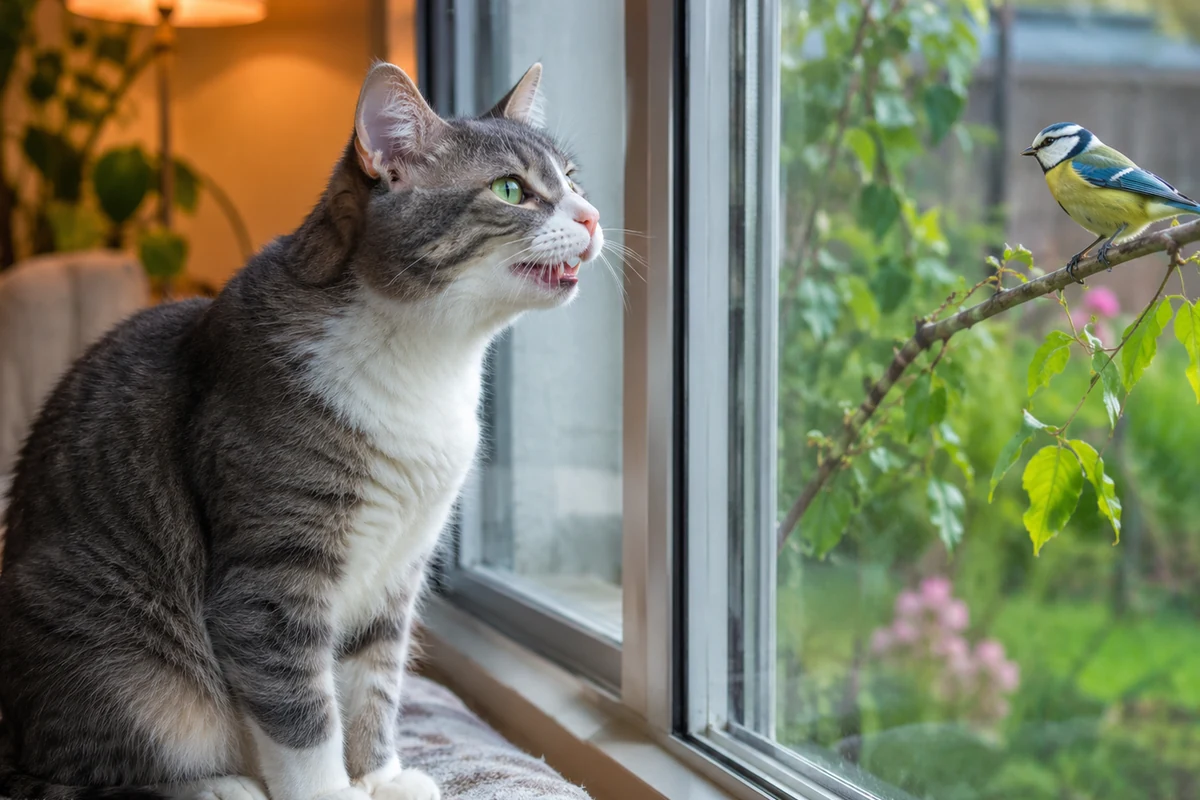
A cat watching a sparrow through a window may make a rapid series of short sounds while its jaw moves. This is often called chattering. It occurs in a hunting-related context, but researchers have not established a single explanation for it. Excitement, anticipation and frustration are plausible contributors. A cat can chatter even when it has no opportunity to catch the animal. Watch the ears, tail and posture rather than assuming the sound means anger. Give your cat a secure window perch and offer a supervised wand-toy session afterward. Never open an unsecured window to let your cat pursue wildlife.
2. A Friendly Greeting
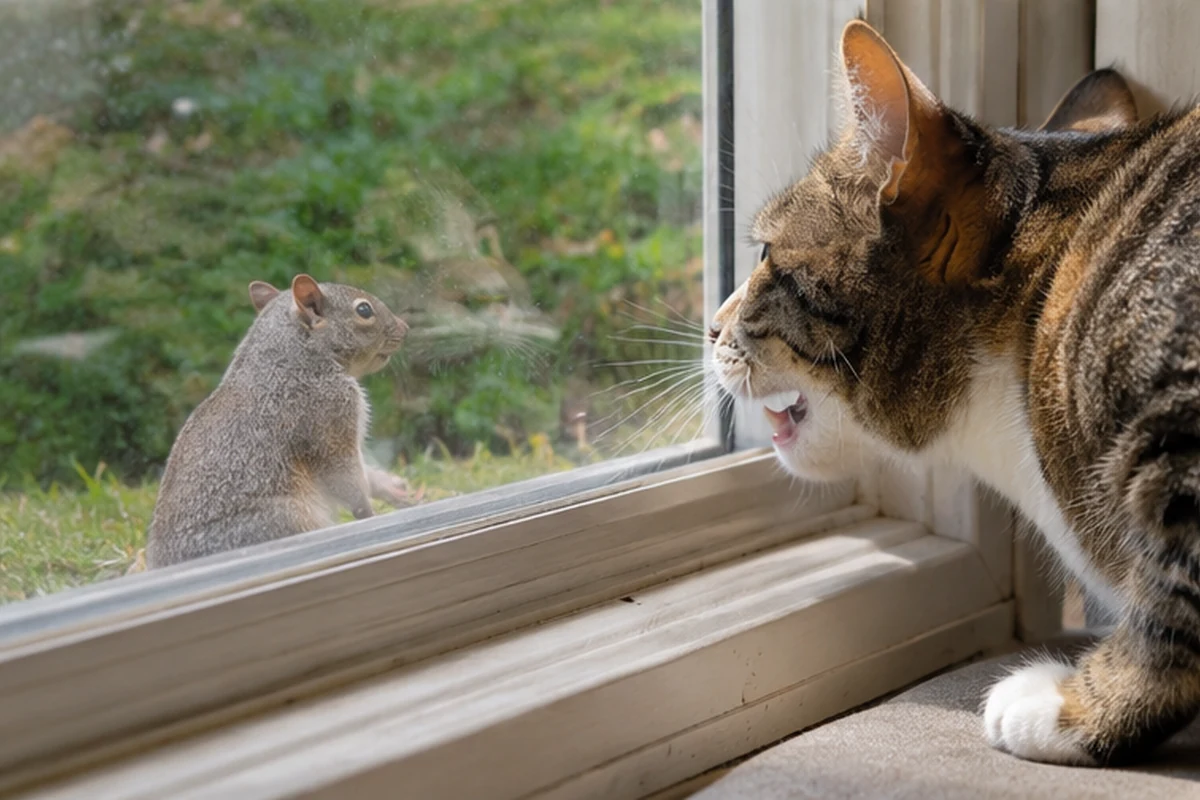
A short rising trill when you enter a room can accompany a friendly approach. Your cat may lift its tail, rub against your legs or walk toward you. These signals together are more informative than the sound alone. Some cats greet familiar people silently, so a quiet cat is not necessarily less attached. Respond with a calm voice and let your cat decide whether to approach. If it walks away, respect that choice.
3. Asking You to Follow
Why do cats chirp and then walk away? Sometimes a cat vocalizes while moving toward a food bowl, toy or door. It may have learned that the sound attracts your attention. Follow at a relaxed pace and observe where it stops. Avoid automatically offering food each time, especially if your cat has already eaten. Attention, play or access to a comfortable resting spot may be what it is seeking.
4. Excitement During Play
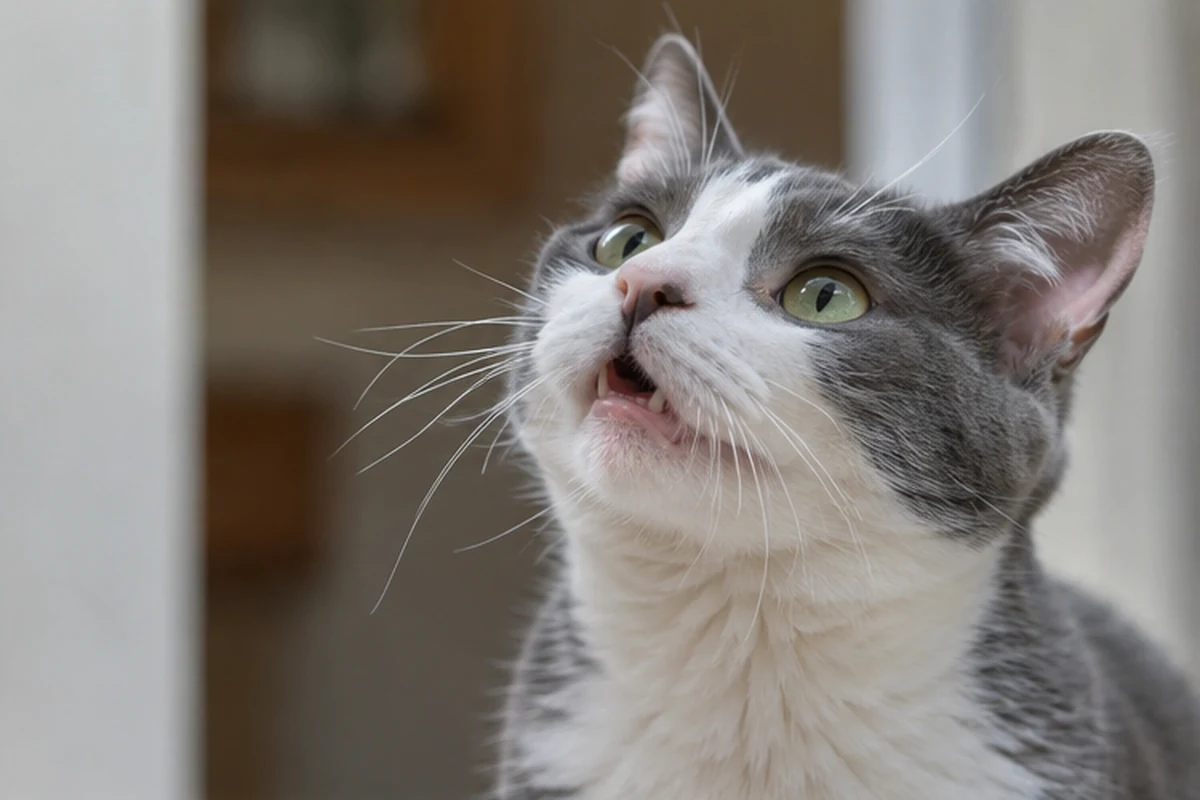
A moving feather toy or rolling ball can prompt short chirps. Cats differ in how vocal they become during play. Try several brief sessions that allow stalking, chasing and catching a toy. Put string toys away when you finish, and avoid encouraging your cat to attack hands. If your cat becomes tense or starts swatting aggressively, give it space and resume play later. The goal is a satisfying activity, not maximum excitement.
5. Communication Between Mothers and Kittens
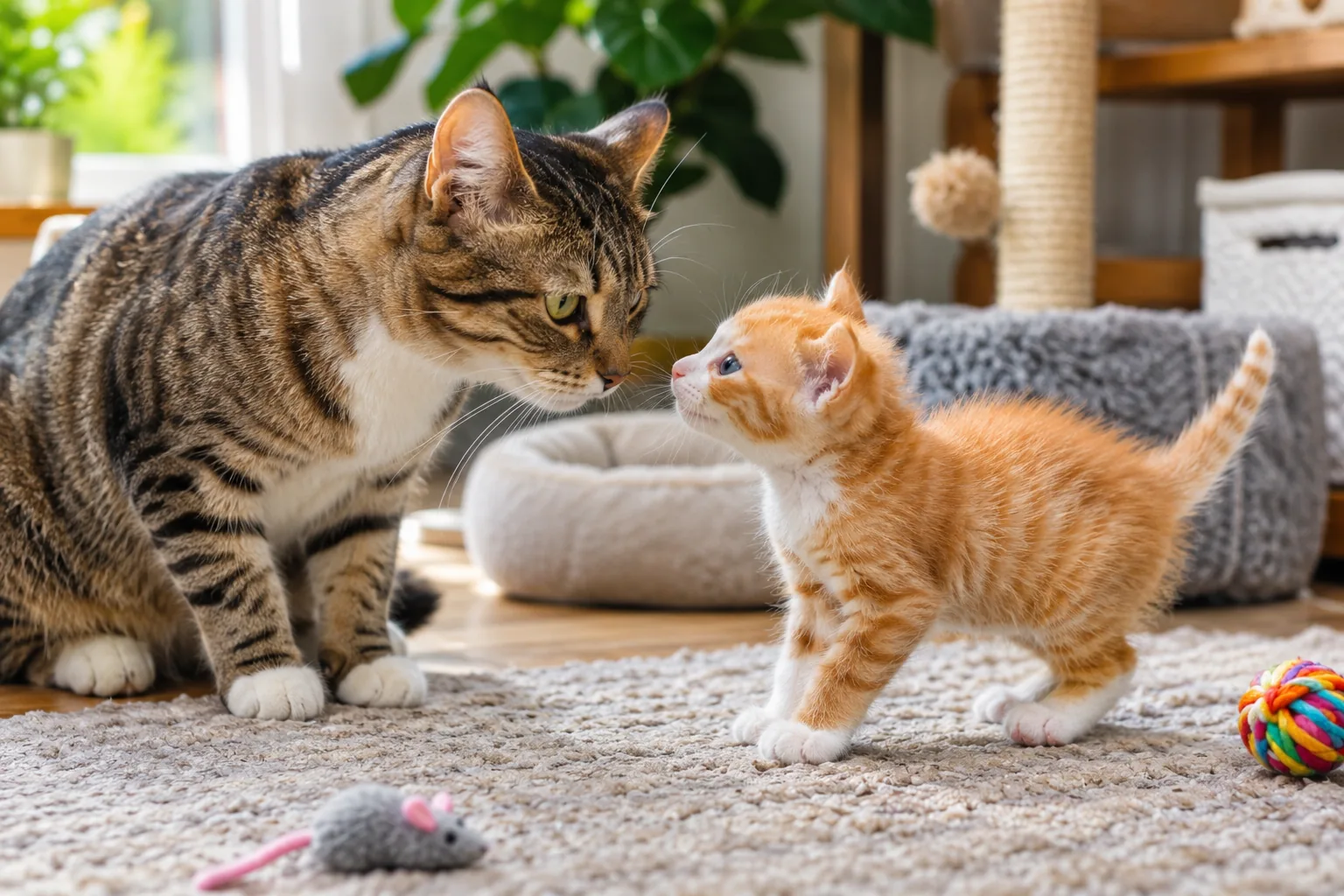
Mother cats can use soft calls to maintain contact with their kittens. Adult cats may also use trill-like sounds in social situations. This does not mean every chirping adult is behaving like a kitten. Vocal patterns differ between individuals and contexts. When asking why do cats chirp around other cats, consider whether the interaction is relaxed or tense. A loose posture and voluntary approach suggest a different situation from flattened ears, hiding or blocking another cat’s path.
6. Individual Habits and Learned Responses
Some cats naturally vocalize more than others. A cat may repeat a sound because people respond to it, creating a familiar communication routine. Keep a short record of when chirps occur: before meals, during play, at windows or when you return home. Over several days, patterns may emerge. Do not punish vocalization. If it becomes disruptive, meet the underlying needs and reward calm behavior rather than shouting.
Chirp, Trill or Chatter: How to Tell
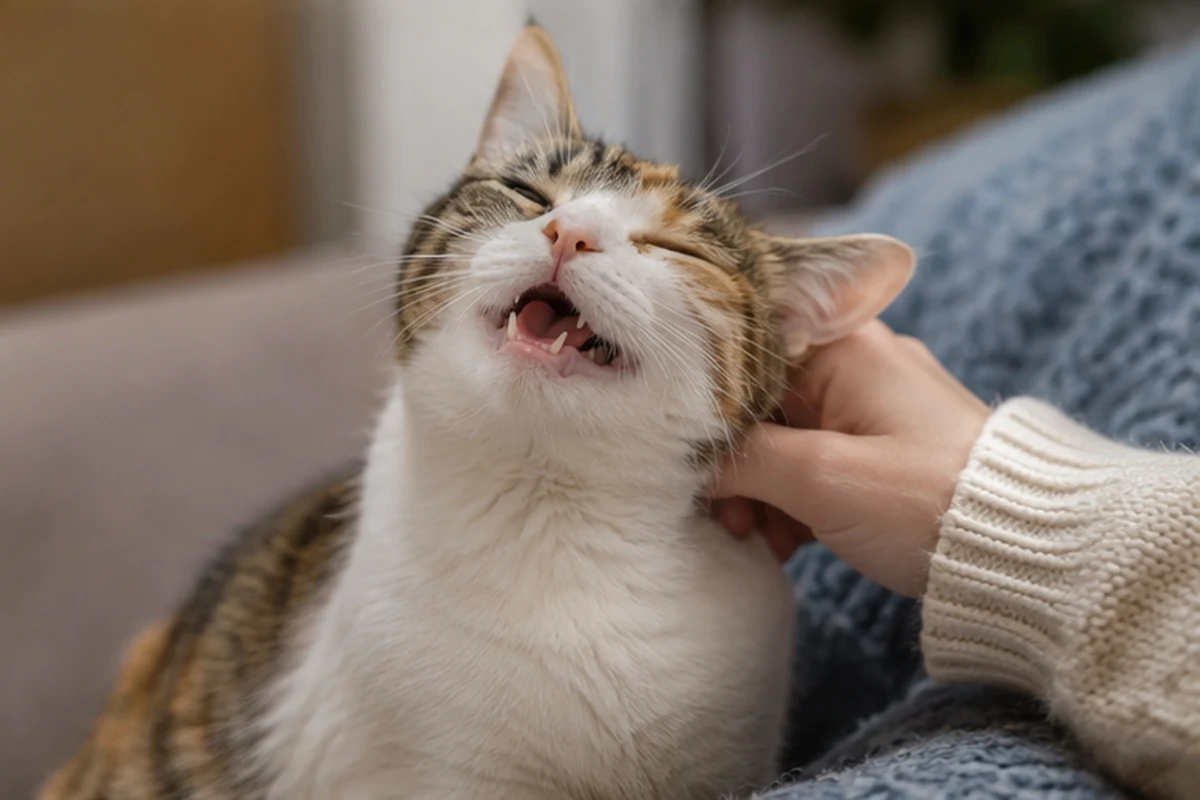
A chirp is often a brief high-pitched sound; a trill tends to have a rolling quality, while chatter may involve repeated jaw movements. These everyday labels are not standardized diagnoses. Record a short video if you are unsure what you hear. Why do cats chirp in one situation and meow in another? Context and individual experience matter more than a rigid translation of every sound. A relaxed cat watching birds is very different from a cat making unfamiliar noises while breathing.
When to Contact a Veterinarian
A familiar chirp during play or greeting is usually not concerning by itself. A new or persistent change in voice, coughing, difficulty swallowing, reduced appetite or unusual lethargy deserves veterinary advice. Open-mouth breathing or obvious breathing difficulty in a cat is an emergency. Do not assume an unfamiliar respiratory noise is simply a chirp. For broader guidance, see our article on bad breath in cats and the ASPCA cat care guide.
Frequently Asked Questions
Why do cats chirp instead of meow? Cats have varied vocal repertoires, and some use short calls in social or hunting-related contexts. Does chirping mean happiness? Not necessarily; look at the situation and body language. Should I chirp back? A gentle response is fine if your cat remains comfortable. Why do cats chirp at night? They may be active, seeking attention or reacting to something nearby. New persistent nighttime vocalization warrants veterinary advice.
Final Thoughts
Why do cats chirp? There is no universal translation, but the surrounding behavior often gives useful clues. Enjoy your cat’s familiar sounds, provide opportunities for play and observation, and take unexpected changes seriously. For another fascinating feline habit, read why cats knead.