Can Cockatiels Talk? How to Encourage Your Bird to Speak
Can cockatiels talk like larger parrots? Some cockatiels learn recognizable words and short phrases, although many are better at whistling. Their ability varies from bird to bird, and a quiet cockatiel can be just as healthy and engaging as a vocal companion.
Can Cockatiels Talk Clearly?
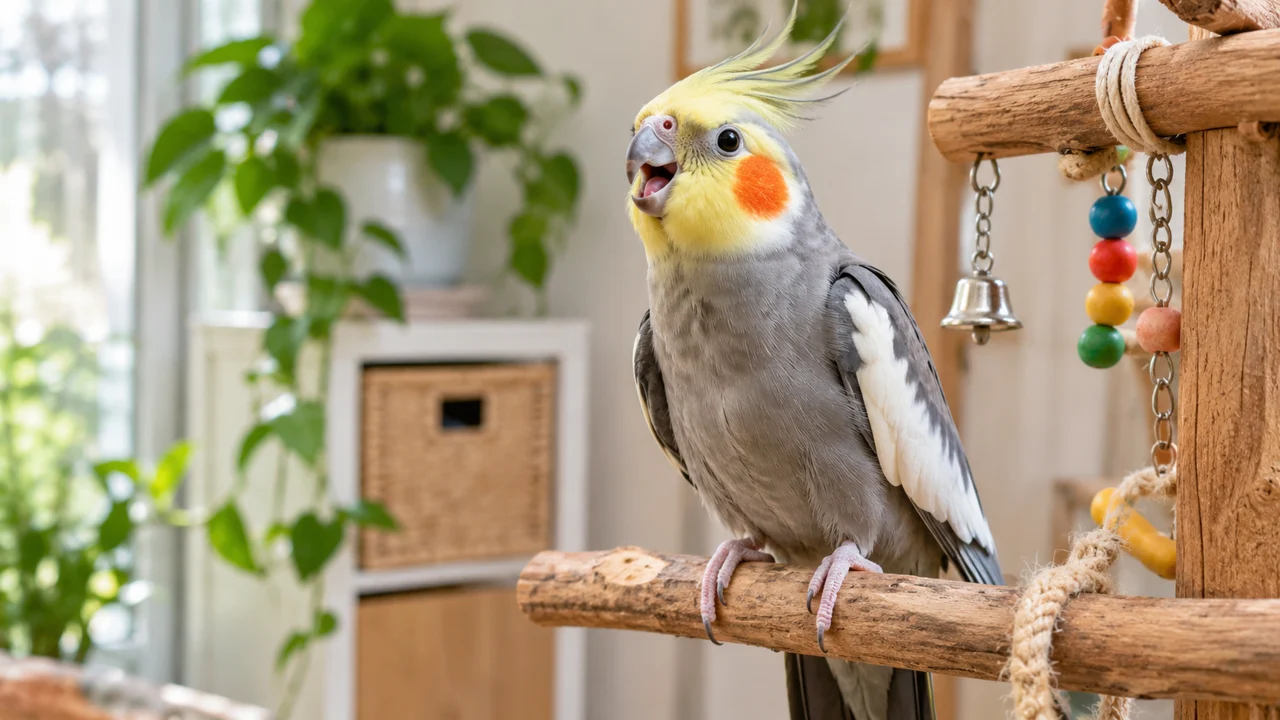
Cockatiels are parrots capable of learning sounds from their surroundings. Some reproduce words that their caregivers recognize, while others imitate whistles, household noises or simple melodies. Their voices can sound soft or raspy, so speech may be less clear than that of some larger parrots. There is no guaranteed vocabulary size. Enjoy your bird’s natural calls and whistles instead of measuring its success by the number of words it learns.
Do Male and Female Cockatiels Differ?
Male cockatiels often display more elaborate vocal performances, including whistling and singing. Females can also learn sounds and words, and individual differences are important. Sex alone cannot predict whether a particular bird will talk. Do not choose a companion bird solely for its expected speech ability. Consider its lifelong care needs, personality and your ability to provide daily social interaction. A bird that never imitates human speech can still develop a strong relationship with its caregiver.
Choosing the First Word
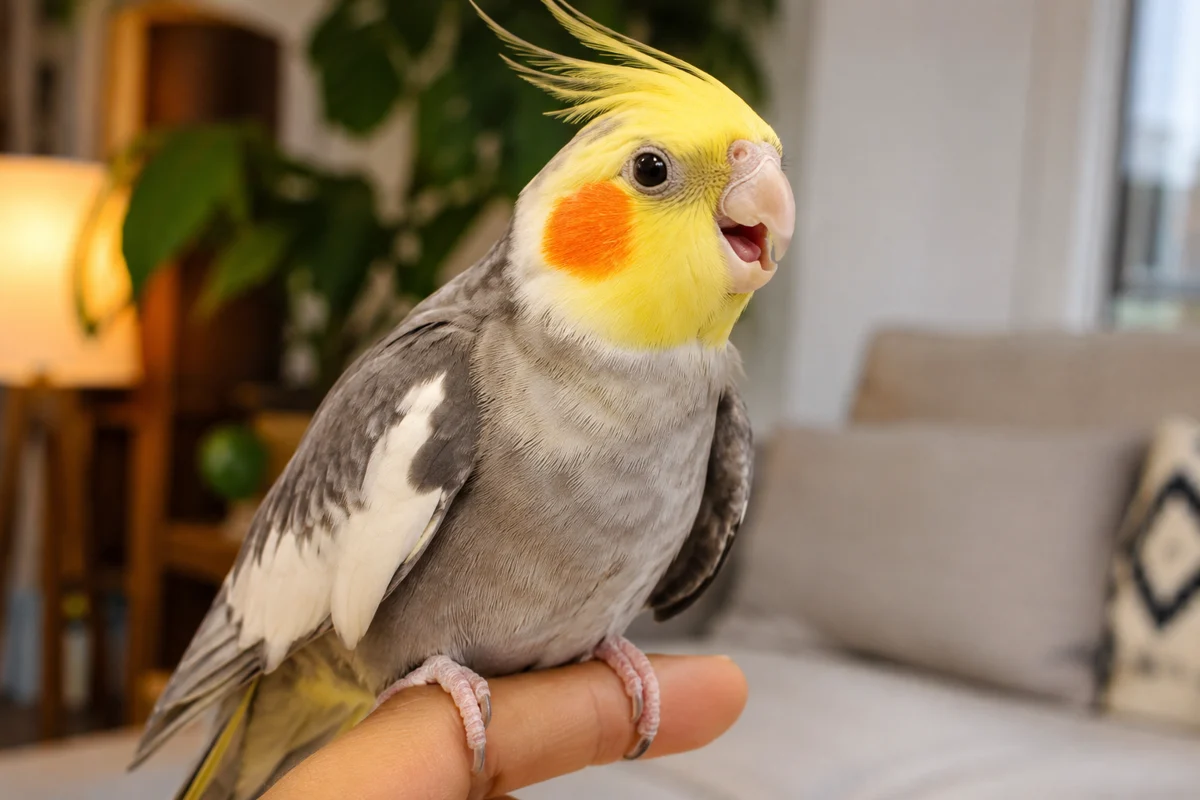
Can cockatiels talk when you repeat a greeting every morning? Consistent associations can help a bird learn familiar sounds. Choose one short phrase such as hello and say it naturally when approaching the cage. Use a gentle, clear voice at an ordinary conversational volume. Avoid rapidly repeating several different words in one session. A predictable greeting gives your bird an opportunity to listen without pressure. If it responds with a whistle rather than a word, acknowledge the interaction positively.
A Gentle Daily Training Routine
Begin when your bird is alert and comfortable. Spend a few minutes interacting in a quiet environment, using the same greeting and allowing pauses for a response. Reward voluntary engagement with praise or a small appropriate food reward. End the session while your bird is still interested. Several brief opportunities throughout the day are preferable to a long forced lesson. Never withhold normal meals to motivate speech. Read our cockatiel body language guide to recognize when your bird wants a break.
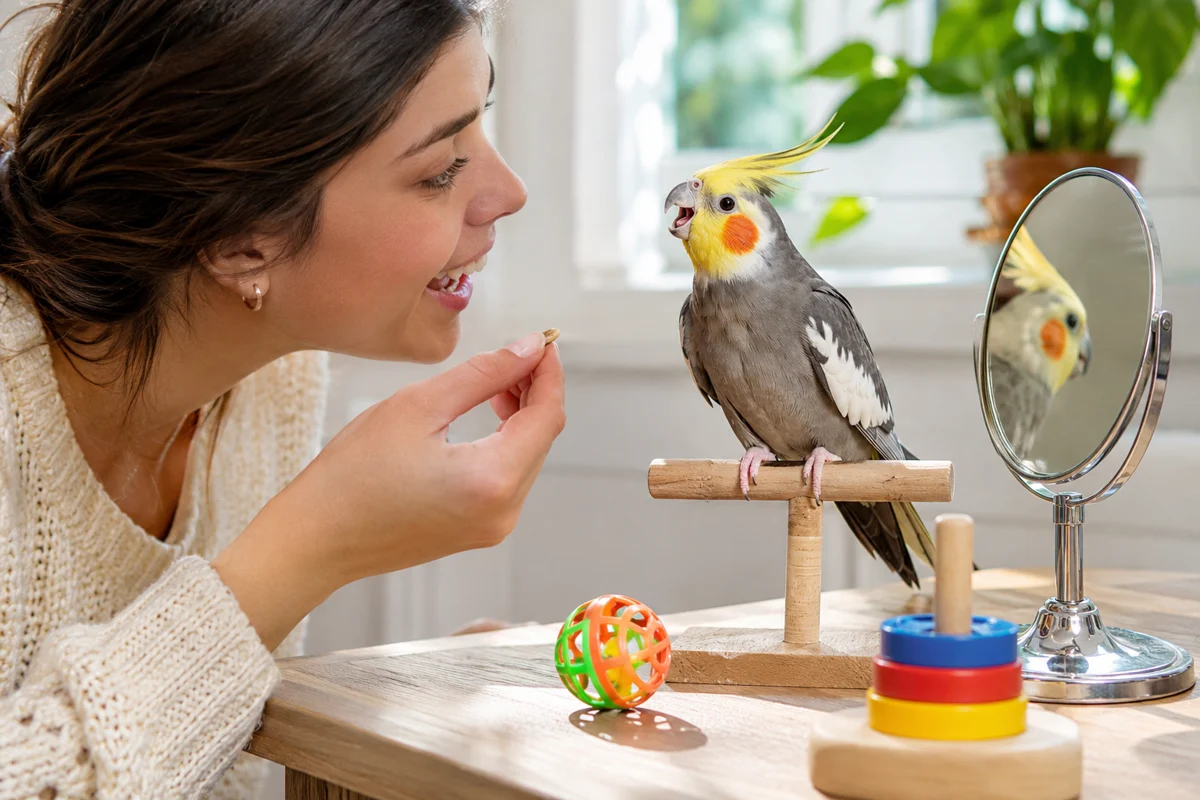
Whistling May Come More Naturally
Can cockatiels talk and whistle at the same time? A bird may learn both types of sound, but its preferences are individual. Try a short, simple whistle if spoken words do not attract interest. Pause after the sound so the bird has an opportunity to respond. Avoid loud recordings or leaving repetitive audio playing for hours. Live interaction allows you to notice whether your companion is engaged, tired or uncomfortable. Natural vocalizations deserve the same positive attention as imitated speech.
Why Some Cockatiels Never Learn Words
Age, temperament, social experience and individual learning preferences can influence imitation. A newly adopted bird may need time to adjust before becoming vocal around people. Some birds simply prefer natural calls or whistles. Can cockatiels talk if they are older? Older birds may learn new sounds, but there is no reliable deadline or guaranteed outcome. Focus on trust, enrichment and voluntary interaction. Do not isolate a bird from other birds or deprive it of companionship to encourage human speech.
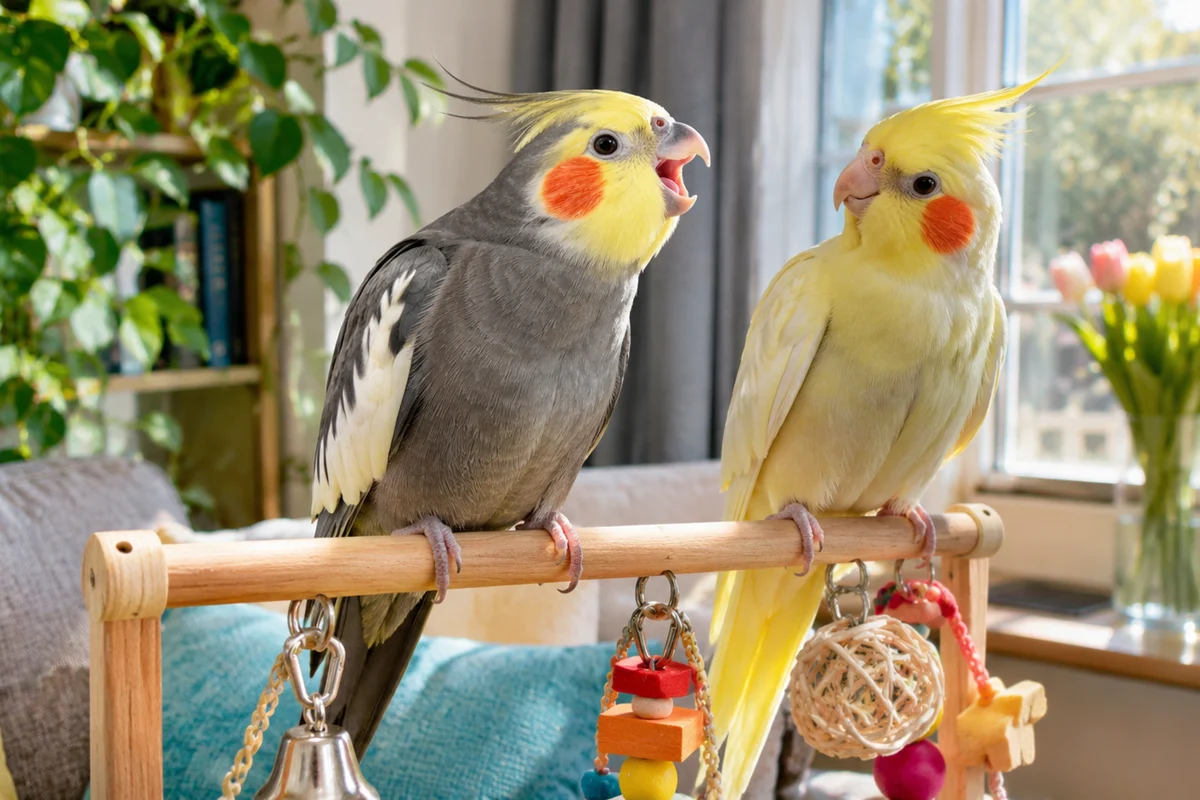
Healthy Vocalization and Warning Signs
A sudden reduction in a normally vocal bird’s activity deserves attention, especially if accompanied by persistent fluffed feathers, reduced appetite, altered droppings or breathing difficulty. Birds may conceal illness, so contact an avian veterinarian promptly when concerning changes appear. Labored breathing requires urgent care. The Association of Avian Veterinarians is a useful starting point for finding appropriate veterinary expertise. Speech training should never take priority over nutrition, rest, safe housing and health.
Make Communication Part of Everyday Care
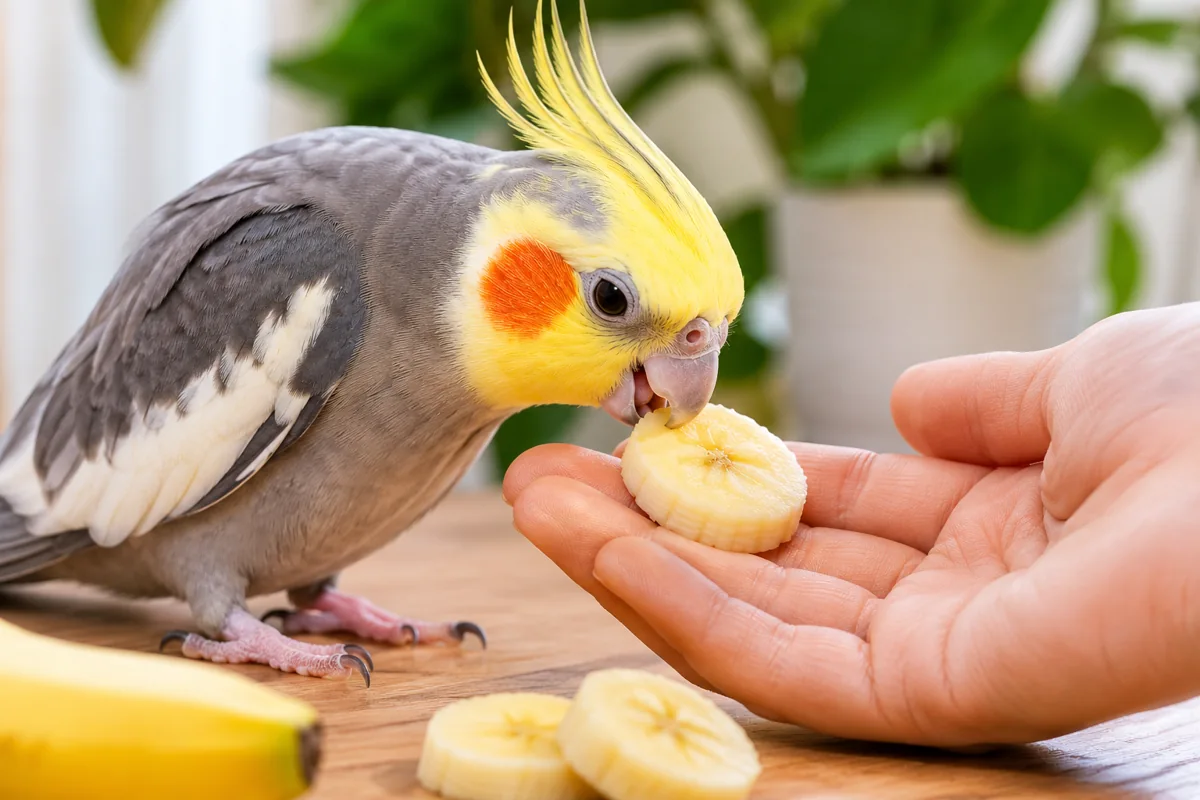
Talk to your bird while refreshing water, preparing food or offering safe enrichment. Use consistent phrases without expecting a performance. Provide suitable toys, opportunities for supervised activity and a regular sleep routine. Small food rewards should fit within a balanced diet; see our guide to feeding bananas to cockatiels for context about occasional fruit treats. Watch for signs of fatigue and allow your bird to choose whether to participate. A calm, predictable environment supports positive interactions.
Frequently Asked Questions
Can cockatiels talk in full sentences? Some imitate short phrases, but clear extended speech is not typical or guaranteed. How long does training take? There is no fixed timeline; progress may take weeks or months, and some birds never imitate words. Can a female learn to talk? Yes, although vocal habits vary individually. Should I use a mirror to encourage talking? A mirror is not necessary for training and may encourage problematic attachment in some birds. Prefer supervised social interaction and appropriate enrichment.
Final Thoughts
Can cockatiels talk? Yes, some can learn recognizable words, while many prefer whistles and natural calls. Keep training brief, positive and voluntary. Celebrate your bird’s individual communication style rather than expecting a particular vocabulary. A healthy, confident companion is a more worthwhile goal than a talking bird.