Why Do Dogs Kick After Pooping? The Surprising Meaning Behind It
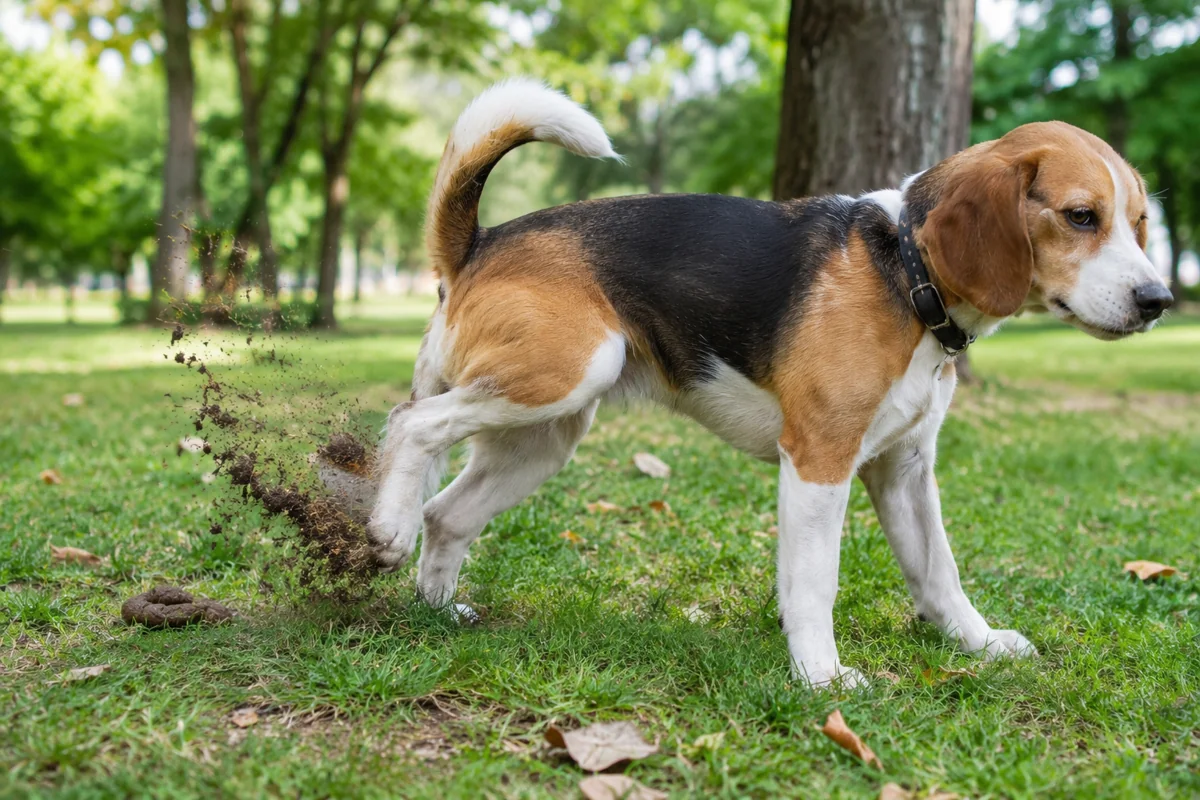
Why do dogs kick after pooping, scattering grass and dirt behind them as if they are celebrating? The behavior is commonly called ground scratching. It can also happen after urination or without elimination. Rather than assuming your dog is trying to bury its waste, consider the social signals and physical movements involved.
Why Do Dogs Kick After Pooping?
Ground scratching is a normal behavior in many dogs. A dog may scrape the ground with its hind feet, sometimes using its front feet as well. The movement can leave visible marks and distribute odors around the area. It is not necessary for every dog to perform it, and a dog that never scratches is not missing an essential skill. Observe whether the behavior occurs consistently in particular places, such as a familiar walking route or an area where other dogs have passed.
Scent Communication
Dogs gather information from odors left by other animals. Their feet contain glands, and scratching may contribute to scent communication by leaving or spreading odors. The precise contribution of different scent sources is not fully established for every instance of scratching. Why do dogs kick after pooping in places where other dogs have been? Social scent cues may be one explanation. Let your dog investigate appropriate outdoor areas on a loose leash, without forcing interactions with unfamiliar dogs.
Visible Marks on the Ground
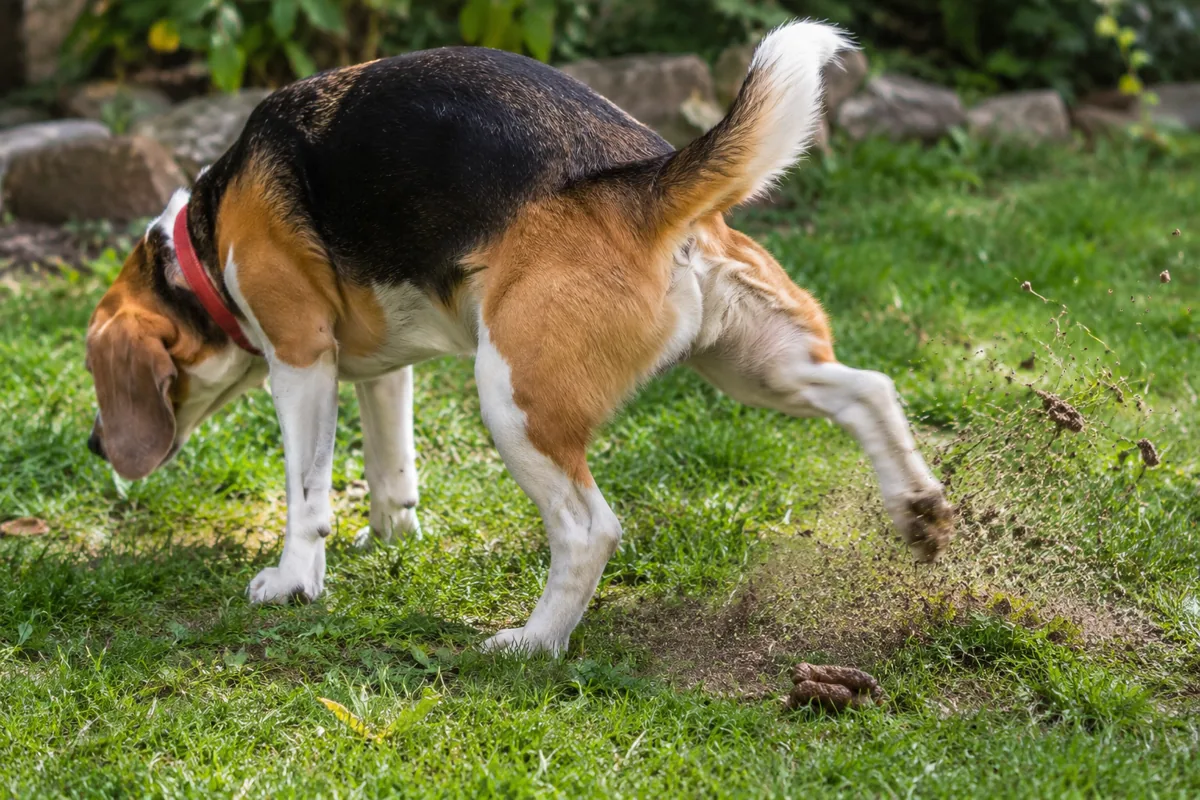
Scraped soil and flattened grass can remain visible after a dog leaves. Ground scratching may therefore have a visual component as well as an olfactory one. The two forms of communication can work together. A dog may scratch more noticeably on loose soil than on pavement simply because the surface responds differently. Do not interpret the size of a scratch mark as a reliable measure of confidence or social rank.
Is Your Dog Trying to Bury Its Poop?
Unlike the covering behavior often seen in cats, canine ground scratching frequently scatters material away from the deposit. Some dogs scratch beside or ahead of it. Why do dogs kick after pooping if they are not covering it? Communication is a more plausible general explanation, although the motivation of an individual dog cannot be established from one observation. Always pick up the waste, regardless of whether your dog scratches.
Does It Mean Dominance or Happiness?
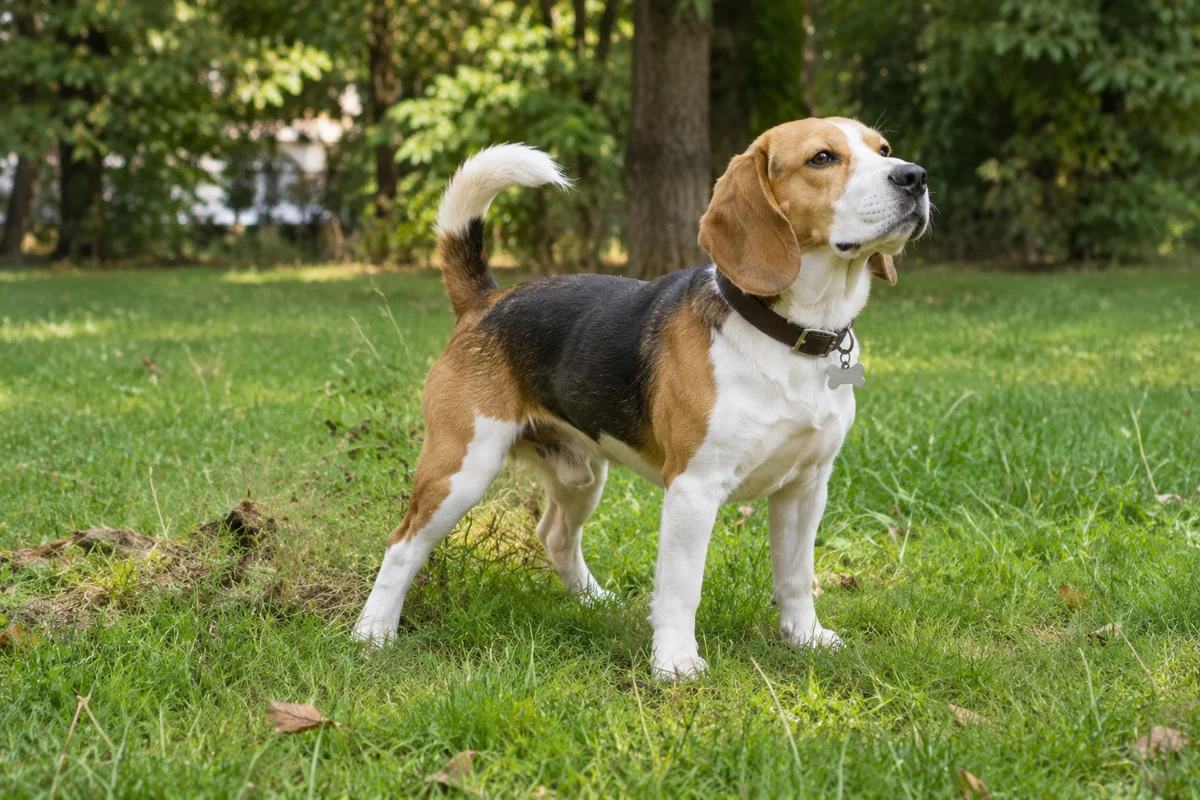
A vigorous kick can look triumphant, but it does not prove that a dog is dominant, happy or trying to challenge its owner. Avoid using dominance labels to justify punishment. The surrounding context matters: a loose body and relaxed movement differ from stiff posture, growling or distress. If you want to understand more about these signals, see understanding your dog’s behavior and needs.
Why Some Dogs Scratch More Than Others
Individual habits, surfaces, scent cues and previous experiences can all influence the frequency of scratching. Some dogs perform a brief movement, while others make several forceful kicks. There is no standard number of kicks that defines normal behavior. If your dog scratches on grass but not concrete, that may reflect comfort and traction rather than a change in emotional state. Watch for a sudden departure from its usual routine.
Protecting Your Lawn Without Punishment
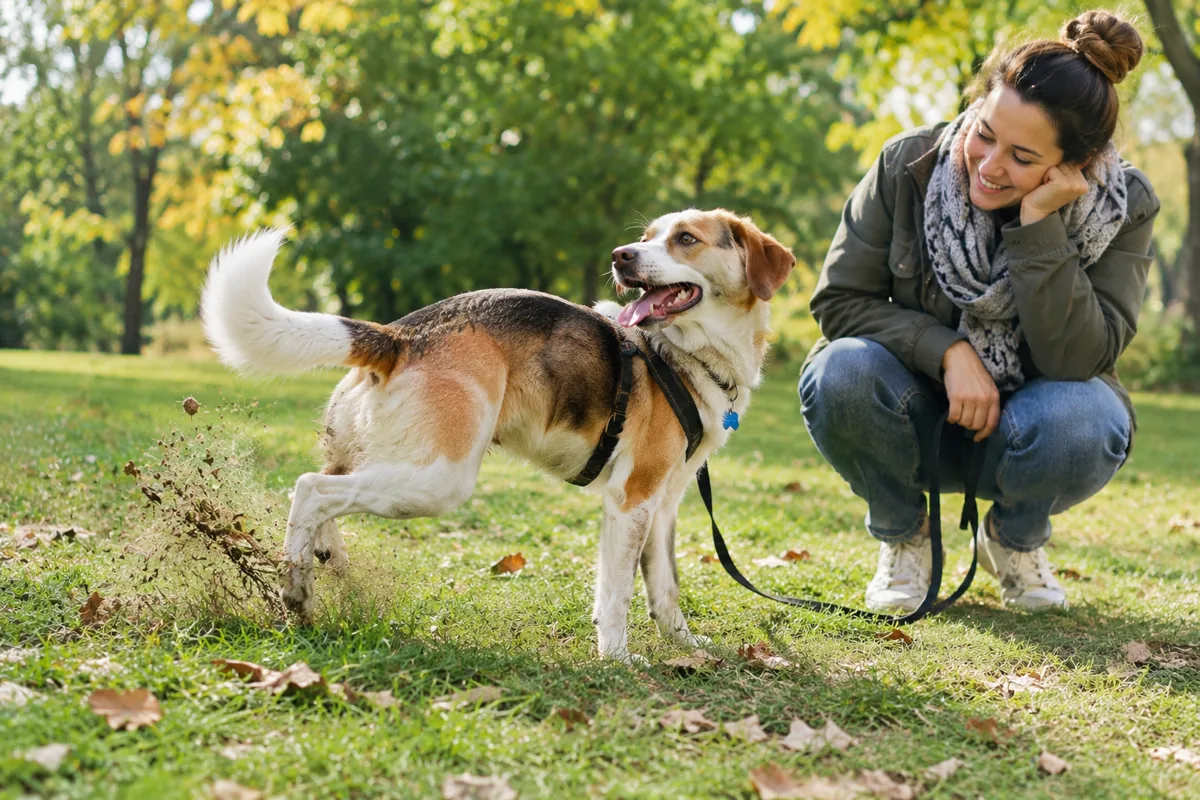
Why do dogs kick after pooping in the same garden spot? A familiar toilet area can become part of their routine. If scratching damages your lawn, create a suitable designated toilet area with a comfortable surface. Walk your dog there on leash and reward it for moving away after finishing. Give the reward before scratching begins if possible. Avoid jerking the leash or scolding after elimination. Clean up waste promptly and provide regular opportunities for sniffing elsewhere. Reward-based training principles are described by the American Veterinary Society of Animal Behavior.
When Ground Scratching Needs Attention
Normal scratching is brief and purposeful. Repeated scraping accompanied by limping, paw licking, bleeding or reluctance to walk is different. Inspect the paws gently if your dog allows it, checking for damaged nails or visible debris. Do not dig into a wound or force handling of a painful foot. Seek veterinary advice for persistent symptoms, and prompt care for severe pain or significant injury. Our guide to why dogs lick their paws explains other signs of paw discomfort.
Frequently Asked Questions
Why do dogs kick after pooping but not after peeing? Individual routines vary; some scratch after both. Should I stop the behavior? Usually not, unless it creates a safety or property issue. Redirect gently. Do female dogs scratch too? Yes, the behavior is not exclusive to males. Why does my dog suddenly stop scratching? A change in surface or routine may explain it, but stiffness, pain or other changes warrant veterinary advice.
Final Thoughts
Why do dogs kick after pooping? Ground scratching may help communicate through scent and visible marks, but no single interpretation fits every dog. Allow normal behavior where safe, protect sensitive surfaces through gentle redirection, and pay attention to signs of discomfort.